
Container Gardens
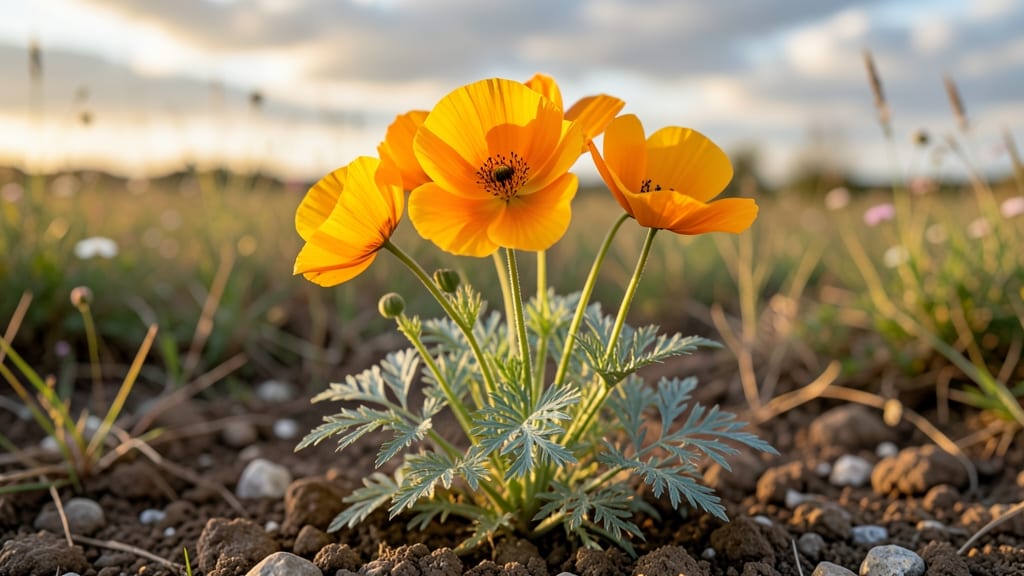
Botanical gardens in Pasadena offer world-class plant collections, including the Huntington Library’s desert and rose gardens, Descanso’s native California landscapes, and the Pasadena Conservatory’s tropical glasshouse displays. These gardens feature rare species and seasonal blooms perfect for plant enthusiasts.
Pasadena’s perfect Mediterranean climate creates an ideal environment for these gardens to thrive, supporting everything from towering palm trees to delicate orchids. 🌿 The region’s mild winters and dry summers allow for year-round gardening, unlike many northern climates where seasons limit plant growth.
Whether you're drawn to the Huntington’s iconic desert plants or the Conservatory’s lush tropical species, each garden offers a unique experience tailored to different plant passions.
What sets Pasadena apart is how its gardens blend education with beauty. The Huntington, for example, combines its famous rose gardens with historical exhibits, while Descanso focuses on preserving native California flora.
For collectors, these spots are treasure troves—some rare plants you won’t find anywhere else in the U.S. The best part? Many offer free admission or discounted entry days, making them accessible to both locals and visitors.
💡 In This Article
- How Pasadena’s Climate Shapes Its Botanical Gardens
- Best Botanical Gardens in Pasadena for Plant Collectors
How Pasadena’s climate shapes its botanical gardens
Pasadena’s Mediterranean climate—characterized by hot, dry summers and mild, wet winters—creates a near-perfect growing environment for drought-tolerant plants. The region receives only about 15-20 inches of rainfall annually, forcing native flora to evolve with deep root systems and waxy leaves to conserve moisture.
This same climate supports iconic desert plants like the California fan palm and saguaro cacti seen at the Huntington Library, which thrive in conditions similar to Arizona’s Sonoran Desert but with slightly cooler nights.
The temperature range of 60-85°F during growing seasons allows for year-round cultivation of citrus groves, olive trees, and even subtropical species like bougainvillea.
Unlike northern botanical gardens (such as New York’s Brooklyn Botanic Garden, which faces harsh winters), Pasadena’s gardens can display blooming camellias in winter and tropical orchids in summer without artificial climate control.
The Huntington’s 30-acre desert garden showcases over 5,000 cacti and succulents, many of which would perish in frost-prone regions.
This climate also enables unique seasonal cycles. While roses typically bloom in spring, Pasadena’s gardens often extend their seasonality—like the Huntington’s 12-acre rose garden featuring 5,500 bushes that can produce blooms from February through October.
The lack of extreme temperature swings means fewer plant diseases, allowing rare species like the Queen of Night cactus (which flowers only at night) to thrive without greenhouse protection. 🌵
Comparing Pasadena to other U.S. botanical gardens reveals its advantage: San Francisco’s climate is similar but cooler, limiting citrus growth, while Los Angeles County Arboretum faces urban pollution challenges. Pasadena’s elevation of 650 feet provides just enough relief from coastal fog to support both Mediterranean and desert species simultaneously.
The result? Gardens that feel like living museums of global flora, all naturally adapted to the same microclimate.
For plant collectors, this means access to species that would require greenhouses elsewhere. The Descanso Garden’s native California plant collection includes rare manzanita shrubs and toyons (California honeysuckles) that flourish without irrigation.
Meanwhile, the Pasadena Conservatory’s tropical glasshouse maintains 70-80% humidity to mimic rainforest conditions—something only possible because the surrounding climate doesn’t demand extreme energy inputs to maintain these extremes.
What most visitors don’t realize is how this climate extends the gardening season. While northern gardens close for winter, Pasadena’s gardens remain vibrant year-round. The 10-acre Japanese Garden at Descanso features maples that turn fiery red in fall, while the Huntington’s citrus collection produces fruit 12 months a year.
This consistency makes Pasadena a rare destination where every season offers something new—whether it’s the spring azalea blooms or the winter jasmine that perfumes the air.