
Container Gardens
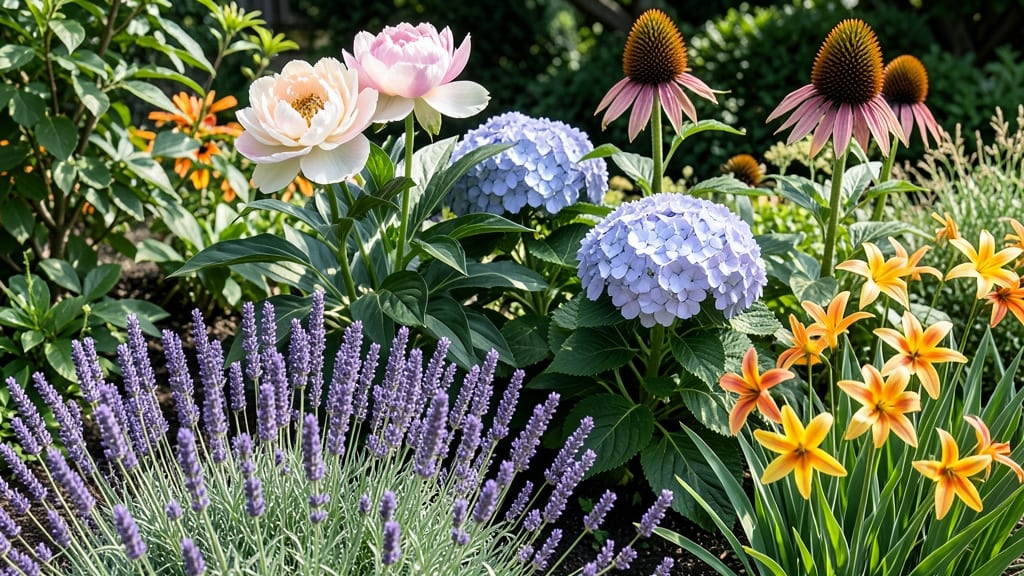
Finding botanical gardens nearby lets you explore breathtaking plant displays, including exotic orchids and native flora. Use search tools like plant databases, tourism websites, or gardening apps to find the closest gardens featuring seasonal displays and expert-led walks.
Botanical gardens often serve as living museums, showcasing rare species and conservation efforts you won’t find in public parks. 🌿 Many offer themed sections—like desert landscapes or aquatic ecosystems—that bring global biodiversity into one space.
I always check for gardens with active research programs, as they frequently host free workshops or volunteer opportunities where you can learn directly from horticulturists.
Don’t overlook smaller, lesser-known gardens—they often have unique collections and fewer crowds. For example, some specialize in medicinal plants or historic varieties that larger institutions might overlook. Pro tip: Call ahead to confirm bloom times, as seasonal displays can shift yearly due to weather patterns.
💡 In This Article
- How to Locate Nearby Botanical Gardens Using Digital Tools
- Top Features to Look for in a Botanical Garden Visit
How to locate nearby botanical gardens using digital tools
Botanical gardens often hide in plain sight on digital maps, but specific tools can help you uncover them efficiently. Start with Google Maps—use the "parks and gardens" filter to narrow results, then sort by distance.
Many gardens include keywords like "botanical," "arboretum," or "conservatory" in their names, so try searching "[Your City] botanical garden" or "[Your City] plant collections."
For example, searching "San Francisco botanical garden" reveals the San Francisco Botanical Garden, which features 8,500 plant species across 55 acres, including a stunning Japanese Tea Garden.
Specialized apps like Botanic Gardens Conservation International (BGCI) or iNaturalist offer deeper insights. BGCI’s global directory lists over 2,000 gardens worldwide, complete with details on plant collections, research focus, and visitor policies.
Meanwhile, iNaturalist lets you filter by plant families (e.g., orchids, succulents) and see real-time observations from garden visitors.
Pro tip: Check the garden’s official website or social media for seasonal bloom calendars—many update these monthly, so you can plan visits around rare flowers like the Encephalartos altensteinii, a cycad that blooms only every 5-10 years.
Verifying a garden’s authenticity is key—some "botanical" listings are actually nurseries or private collections. Look for accreditation badges from organizations like BGCI or the American Public Gardens Association (APGA), which certify gardens meeting conservation and education standards.
Accessibility matters too: Use tools like Wheelmap (for wheelchair-friendly paths) or Accessible Gardens (a UK-based directory) to filter results. For instance, the Chicago Botanic Garden offers sensory-friendly trails and braille plant labels, making it a standout for inclusive visits.
Seasonal highlights often drive visits, but weather can shift bloom times unpredictably. For example, the New York Botanical Garden’s famous orchid exhibits sometimes open earlier due to greenhouse-controlled climates, while outdoor collections like the Desert Botanical Garden in Phoenix may delay blooms during heatwaves.
Always cross-check with the garden’s weather-dependent event calendar—some, like the Royal Botanic Gardens, Kew, provide weekly updates on which greenhouses are open for rare species like the Victoria amazonica, a giant water lily with leaves spanning 3 meters.
Don’t overlook lesser-known tools like Find a Garden (a UK-based platform) or PlantNet, which crowdsources plant identifications from gardens worldwide.
These can reveal hidden gems, such as the Lewis Ginter Botanical Garden in Virginia, known for its children’s garden and butterfly house, where over 30 species flutter freely. 🌸 By combining these resources, you’ll not only find gardens but also tailor your visit to your interests—whether it’s conservation, photography, or simply soaking in the scent of jasmine or frangipani on a guided tour.
For a hands-on approach, try Google Earth’s "Voyager" feature—some gardens offer 360° virtual tours, letting you scout layouts before arriving. This is especially useful for large gardens like Singapore Botanic Gardens, where themed sections (e.g., Supertree Grove) span miles.
Pair this with the garden’s mobile app—many now include augmented reality (AR) plant ID tools, so you can scan leaves or flowers for instant species names. 🌿
Finally, join local gardening groups on platforms like Facebook or Meetup—members often share insider tips, such as the best times to visit cactus collections (early morning to avoid desert heat) or which gardens offer free entry on Tuesdays.
These communities also highlight temporary exhibits, like the Kew Gardens’ "Scented Garden" in London, where over 100 fragrant plants are arranged by aroma intensity.