
Container Gardens
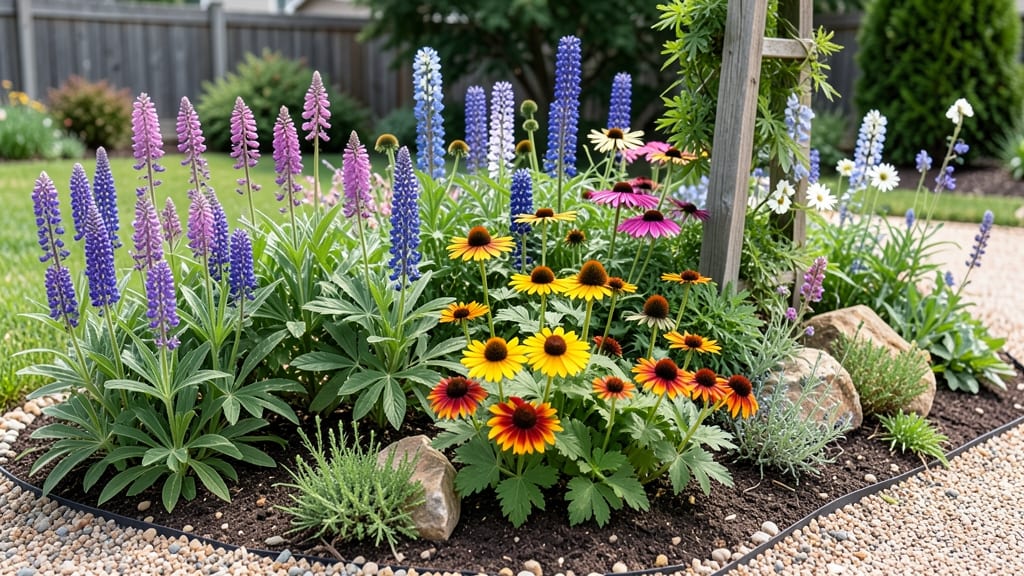
Botanical Gardens Ogden features seasonal displays and an impressive variety of plant life, from desert cacti to native Utah species and beautifully maintained themed gardens like the Japanese and Rose Gardens. The garden remains open year-round with educational programs and guided experiences for visitors of all ages.
This 15-acre garden in northern Utah is a living classroom where nature's diversity shines. 🌿 The desert collection alone features over 100 cactus species, while the native Utah garden highlights hardy plants adapted to the region's unique climate.
What makes it special is how the exhibits change with each season—spring brings vibrant wildflowers, summer hosts butterfly gardens, and winter transforms into a holiday wonderland with illuminated displays.
Beyond the stunning visuals, Ogden Botanical Gardens serves as a conservation hub. Their educational programs teach visitors about sustainable gardening practices and local ecosystems. Whether you're a plant enthusiast or just looking for a peaceful outdoor experience, there's always something new to discover here.
💡 In This Article
- Exploring Ogden Botanical Gardens’ Unique Plant Collections
- Best Times to Visit Ogden Botanical Gardens by Season
Exploring Ogden botanical gardens’ unique plant collections
The garden's plant collections are carefully curated to reflect Utah's diverse ecosystems while showcasing rare botanical specimens from around the world. The desert collection, for instance, features over 100 cactus species adapted to thrive in Utah's arid conditions with water storage capacities reaching 2,000 gallons in some barrel cacti.
These plants demonstrate remarkable adaptations like spines that reduce water loss and shallow root systems that capture brief desert rains.
The native Utah garden highlights species that have evolved over millennia to survive the region's hot summers (90-100°F) and cold winters (-10°F). Plants like the Utah serviceberry and bristlecone pine exhibit drought-resistant features such as waxy leaf coatings and deep root systems that tap into groundwater.
The Japanese Garden offers a stark contrast with moisture-loving species like azaleas and maples, requiring consistent irrigation despite Ogden's dry climate.
What makes these collections botanically significant is their role in conservation. Many species, like the endangered Utah milkvetch, are preserved here through propagation programs. The garden's climate-controlled greenhouses maintain optimal conditions for tropical plants that couldn't survive Utah's winters, creating a microcosm of global biodiversity.
This conservation work extends to pollinator gardens that support over 30 native bee species critical to Utah's ecosystems.
Themed gardens like the Rose Garden demonstrate horticultural artistry through carefully selected varieties that bloom sequentially from April through October. Each rose species is chosen for its disease resistance and ability to thrive in Ogden's 7,400-foot elevation, where UV exposure is intense.
The garden's educational signage explains these botanical relationships, helping visitors understand how plant structure relates to function in different environments.
Seasonal exhibits rotate annually to highlight different ecological themes. Spring might feature wildflower meadows that mimic natural prairie ecosystems, while winter displays often showcase holly varieties adapted to cold climates. These rotating exhibits ensure repeat visitors always discover new botanical wonders, making each season's garden experience unique.
The garden's layout follows ecological principles too. Pathways wind through collections in a way that mimics natural plant communities, with drought-tolerant species near the entrance transitioning to moisture-loving plants deeper in the garden. This intentional design helps visitors understand plant relationships while providing visual interest through contrasting textures and colors.
For plant enthusiasts, the garden's year-round blooming schedule means there's always something in flower. The desert collection maintains greenery through winter, while spring bulbs like tulips and daffodils emerge as early as March. This careful planning creates a garden that feels alive and vibrant throughout all four seasons. 🌵