
Tools
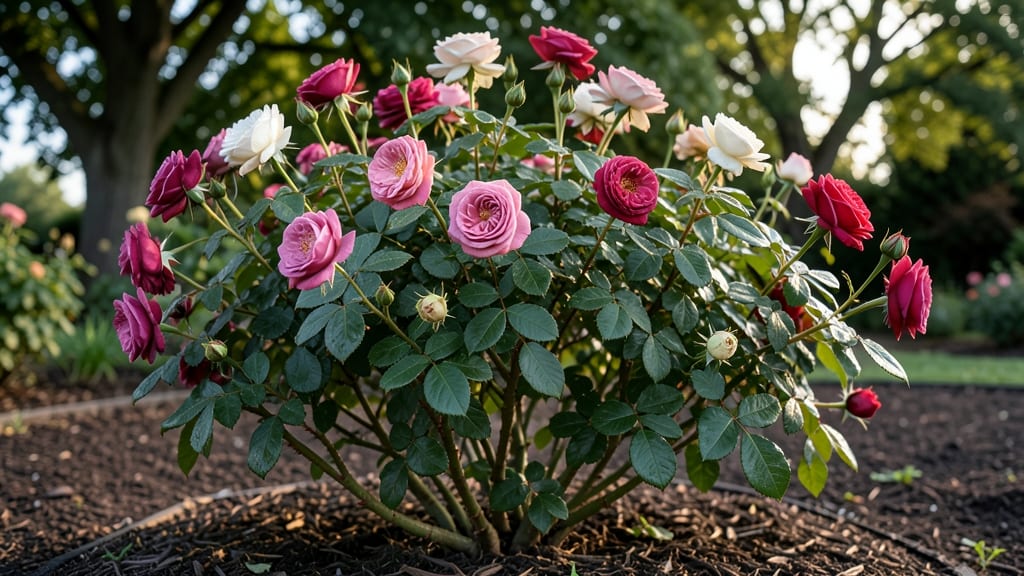
The best rose gardens in Seattle WA showcase year-round blooms thanks to the region's mild, maritime climate, featuring iconic public displays at the Washington Park Arboretum and Seattle Japanese Garden, where hybrid teas and David Austin roses flourish. For private gardens, Pacific Northwest soil prep, winter mulching, and disease-resistant varieties like ‘Knock Out’ roses create low-maintenance beauty.
Seattle's coastal climate creates perfect conditions for roses, with cool summers preventing heat stress and frequent rainfall keeping roots hydrated. 🌸 The city's soil often needs amendments like composted cedar bark to balance natural acidity, while microclimates—especially in protected urban areas—extend bloom seasons.
For private gardeners, choosing varieties like 'Dr. Huey' (black spot resistant) or 'New Dawn' (ever-blooming climber) maximizes success with minimal pruning.
Public gardens showcase Seattle's best blooms year-round, while private plots benefit from tailored care. The Washington Park Arboretum features over 1,000 rose varieties, while the Seattle Japanese Garden highlights traditional climbing roses.
For home gardeners, winter mulching with 6-8 inches of straw protects roots, and spring pruning (after last frost) promotes vigorous growth.
💡 In This Article
- Seattle’s Climate and Soil Secrets for Thriving Rose Gardens
- Top Seattle Rose Varieties for Four-Season Blooms and Pest Resistance
Seattle’s climate and soil secrets for thriving rose gardens
Seattle’s marine climate—characterized by cool summers (70-75°F) and mild winters (35-45°F)—creates ideal conditions for roses by preventing heat stress and extreme temperature swings.
The frequent marine layer reduces evaporation, keeping soil consistently moist without the risk of fungal diseases that plague hotter climates. 🌧️ Unlike inland regions, Seattle’s proximity to Puget Sound moderates temperatures, allowing roses to bloom nearly year-round with proper variety selection.
The city’s natural soil is typically acidic (pH 5.5-6.0), which can stress roses that prefer a slightly alkaline environment (6.0-6.5).
Gardeners often amend soil with composted cedar bark or pine fines to raise pH while improving drainage—a critical adjustment since Seattle’s clay-heavy soil can become waterlogged in winter.
Organic matter like worm castings also enhances microbial activity, which breaks down thatch and prevents black spot, a common fungal issue in Pacific Northwest gardens.
Seattle’s urban microclimates play a surprising role in rose success. South-facing walls and protected courtyards can create 5-10°F warmer zones, extending bloom seasons for heat-loving varieties like ‘Iceberg’ roses. Conversely, wind-exposed areas benefit from windbreaks like evergreen hedges or lattice trellises, which reduce desiccation.
The Washington Park Arboretum demonstrates this perfectly, where its 1,000+ rose varieties thrive in carefully managed microclimates within the same 20-acre space. 🌿
Winter care is where Seattle’s climate gives roses an edge. Unlike frost-prone regions, roses here rarely face hard freezes below 20°F, but they still need protection. Gardeners use 6-8 inches of straw mulch over roots to insulate against temperature fluctuations, while evergreen boughs shield canes from windburn.
Pruning in late winter (February-March) removes dead wood while preserving buds that form in Seattle’s 10-12 hour daylight winters—longer than most U.S. regions, which actually benefits rose development.
One often-overlooked factor is Seattle’s high humidity (80-90%), which demands vigilance against powdery mildew. Regularly spraying foliage with neem oil or baking soda solution creates a protective film that deters spores.
The Seattle Japanese Garden, for example, uses gravel mulch around its climbing roses to improve airflow and reduce fungal pressure—a technique private gardeners can mimic in dense planting beds.
For those new to Seattle gardening, the key takeaway is balancing the region’s natural advantages (mild winters, consistent moisture) with its challenges (acidic soil, humidity).
Start with disease-resistant varieties like ‘Dr. Huey’ (black spot proof) or ‘Knock Out’ (powdery mildew tolerant), and prioritize soil amendments over fertilizer—healthy roots are the foundation of Seattle’s legendary rose gardens. 🌸