
Planting
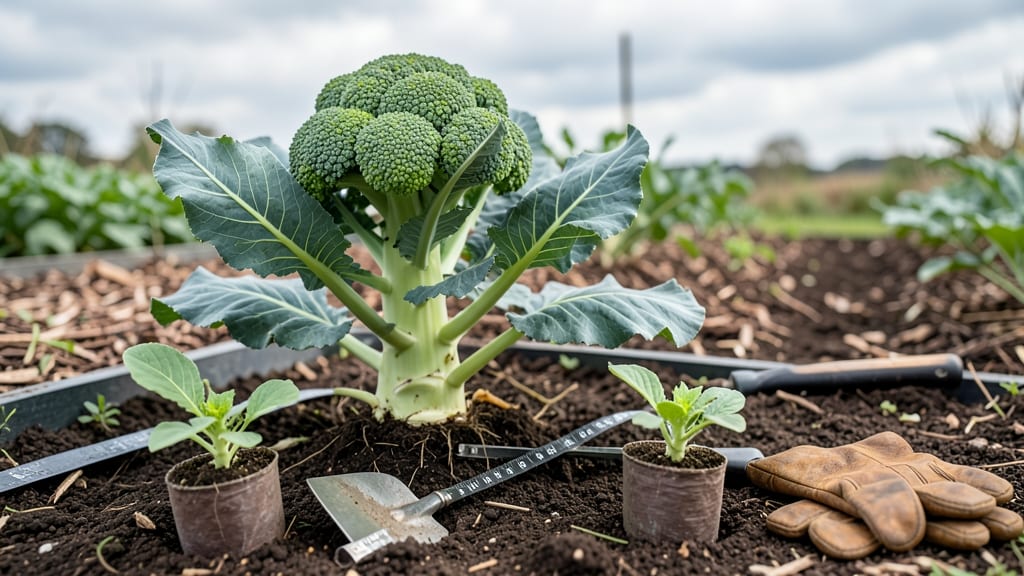
Proper broccoli spacing in your garden is the key to avoiding stunted plants and tiny heads 🥦 — and it’s easier than you think.
Picture this: you’ve planted your broccoli seedlings with high hopes, only to watch them compete for sunlight and nutrients, leaving you with bitter, undersized heads. That’s the result of spacing gone wrong, and it’s more common than you’d expect.
Getting the spacing right isn’t just about fitting more plants in—it’s about giving each one room to thrive. Too close, and you’ll battle pests and disease; too far apart, and you’ll waste precious garden space.
The good news? With the right spacing, you’ll see stronger plants, fewer problems, and a harvest that actually lives up to the promise.
In this guide, I’ll walk you through the ideal spacing for your broccoli, whether you’re working with a small backyard plot or a larger garden. You’ll learn how to maximize your yield, prevent common issues, and even save space with smart techniques.
Let’s get those broccoli plants growing like they should!
Ideal broccoli spacing by planting method for maximum yield
Getting the broccoli spacing right transforms your garden from a patchy experiment to a high-yielding harvest. Too close, and plants compete for nutrients, leading to small, bitter heads and disease.
Too far apart, and you waste precious garden real estate. The key lies in balancing air circulation, sunlight access, and root growth—and it varies by planting method.
For head broccoli (the classic variety with a single large head), spacing is critical to develop those tight, flavorful florets we all love. Meanwhile, sprouting broccoli (like Calabrese) produces multiple smaller heads, requiring slightly different spacing strategies.
Let’s break down the ideal distances for in-ground gardens, containers, and raised beds to maximize your yield.
When planting broccoli in rows, aim for 24–36 inches between rows to give plants room to spread their leaves and roots. This spacing reduces competition for water and nutrients, ensuring each plant develops a large, dense head.
For sprouting varieties, you can tighten this to 18–24 inches between rows since they produce multiple harvests.
In raised beds, broccoli thrives with 12–18 inches between plants and 24 inches between rows (or the full width of the bed if planted in a single row).
Raised beds offer warmer soil and better drainage, which broccoli loves, but the confined space means you’ll need to monitor crowding early. Thin seedlings to the correct spacing 2–3 weeks after germination to avoid stunted growth.
For container gardening, broccoli needs at least a 5-gallon pot for dwarf varieties or a 10-gallon pot for standard types. In larger containers, you can fit 1–2 plants per 2–3 square feet, but avoid overcrowding—broccoli in pots grows slower and yields less than in-ground plants.
Use lightweight potting mix and fertilize every 3–4 weeks to compensate for limited root space.
Proper spacing isn’t just about yield—it’s about disease prevention. Crowded broccoli plants trap moisture and humidity, creating ideal conditions for powdery mildew and downy mildew. By giving each plant enough room, you improve air circulation, which keeps leaves dry and reduces fungal risks. This is especially
Common broccoli spacing mistakes and how to fix them
If your broccoli plants look stunted or produce small, bitter heads, poor spacing might be the culprit. I’ve seen this happen more than once in my own garden—crowded plants compete for sunlight and nutrients, while over-spaced plants waste precious growing space.
The key is finding that sweet spot where each plant gets enough room to thrive without leaving gaps in your garden.
Overcrowding is the most common mistake, often leading to yellowing leaves, pest infestations, and poor air circulation. When plants are too close, moisture lingers on leaves, creating the perfect environment for fungal diseases like downy mildew.
On the flip side, spacing plants too far apart can leave you with underutilized garden space and fewer harvests. Let’s fix these issues so your broccoli can reach its full potential.
Broccoli plants need 18-24 inches apart in rows 2-3 feet apart. If you’re seeing stunted growth, yellowing leaves, or pests clustering, your spacing is likely too tight. Fix it now by thinning seedlings or replanting in a larger area.
🌱 Pro Tip: Use a ruler or spacing grid to ensure even distances.
One of the first signs of poor spacing is stunted growth. When plants are too close, they’ll stretch toward the light, becoming leggy and weak. You might also notice small, underdeveloped heads because the plant is putting all its energy into competing with neighbors.
If you’ve already planted, don’t worry—you can still fix it by thinning out the weakest seedlings and giving the remaining plants more space to grow.
Another red flag is yellowing leaves, especially on the lower stems. This often signals poor air circulation or nutrient competition, both of which thrive in crowded conditions. If you see this, it’s time to act.
Carefully remove the weakest plants and space the remaining ones according to the 18-24 inch rule. This simple adjustment can make a world of difference in your broccoli’s health and productivity.
Pests love crowded gardens because tight spaces provide hiding spots and easy access to vulnerable plants. Cabbage worms, aphids, and other common broccoli pests will target overcrowded patches first. To deter them, ensure your plants have proper spacing and good air flow.
You can also add companion plants like marigolds or onions to confuse pests and keep them away from your broccoli.
For a visual guide, imagine your broccoli plants in a grid. If they’re packed like sardines, they’re too close. If they’re spaced like they’re playing musical chairs, they’re too far apart. The ideal spacing creates a balanced, airy layout that allows sunlight to reach all parts of the plant.
This not only improves growth but also makes it easier to monitor for pests and harvest heads without damaging neighboring plants.
If you’re working with an existing garden, start by assessing the current layout. Measure the distance between plants and compare it to the 18-24 inch rule. If they’re too close, thin them out immediately.
If they’re too far apart, consider adding a few extra rows or filling in gaps with fast-growing varieties like sprouting broccoli, which mature quicker and can help maximize your harvest.