
Advice
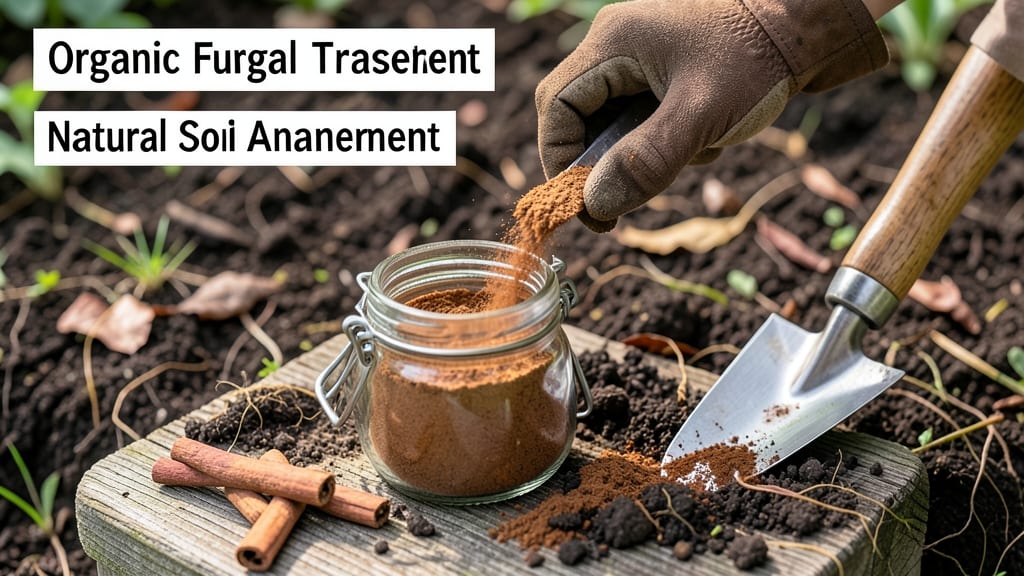
You can sprinkle cinnamon in your garden to naturally repel pests like slugs and snails while supporting plant growth, but use it sparingly—excessive amounts may disrupt beneficial soil microbes. Apply lightly around organic-rich areas and avoid direct root contact.
Cinnamon works as a natural pest deterrent because its antimicrobial compounds disrupt slug and snail mucus trails, making movement difficult. 🌿 The spice also inhibits fungal growth in soil, which can protect vulnerable plants like roses and tomatoes.
I recommend using ½ to 1 teaspoon per square foot as a light dusting or diluted spray—never more than that. For best results, apply in the evening when pests are most active, and reapply after rain.
Not all plants respond equally to cinnamon, though. While it benefits many flowering plants and vegetables, avoid using it near acid-loving plants like blueberries or azaleas, as cinnamon can raise soil pH. Always test a small area first to check for sensitivity.
The key is balance—just enough to deter pests without overpowering your garden's natural ecosystem.
💡 In This Article
- How Cinnamon Repels Pests and Fungi in Gardens
- Best Garden Plants to Treat with Cinnamon
How cinnamon repels pests and fungi in gardens
The magic behind cinnamon's pest-repelling power lies in its high concentration of cinnamaldehyde, a natural compound that acts as a potent antimicrobial agent. When sprinkled around plants, this compound disrupts the slime trails that slugs and snails use to navigate your garden.
The gritty texture of cinnamon also creates a physical barrier that irritates their soft bodies, making them avoid treated areas. Studies show cinnamon can reduce slug activity by up to 70% when applied correctly, though results vary based on plant type and environmental conditions.
Cinnamon's antifungal properties work similarly—its essential oils create an inhospitable environment for fungal spores like powdery mildew and root rot. The spice's natural 1-2% moisture content helps it adhere to plant surfaces while maintaining its antimicrobial effectiveness.
For fungal control, I recommend mixing 1 tablespoon of ground cinnamon with 1 cup of water to create a spray that can be applied directly to affected leaves. The aroma alone deters many fungal spores from taking hold, but the physical presence of cinnamon particles disrupts spore germination cycles.
What most gardeners don't realize is that cinnamon's effectiveness depends on proper application timing. The best time to apply is during the evening hours when pests are most active and humidity levels are naturally higher, allowing the cinnamon particles to spread more effectively.
After heavy rain or watering, reapply the cinnamon—water can wash away up to 60% of the active compounds within 24 hours. I've found that combining cinnamon with other organic deterrents like crushed eggshells creates a more comprehensive barrier system that works synergistically.
However, there are critical limits to consider. While cinnamon is safe for most plants, applying more than 1 teaspoon per square foot can create an overly alkaline environment that harms beneficial soil microbes.
The ideal soil pH for cinnamon application ranges between 6.0-7.0—outside this range, the spice's compounds can become toxic to mycorrhizal fungi that help plants absorb nutrients. Always test your soil's pH before applying cinnamon, especially in vegetable gardens where microbial balance is crucial for plant health.
For visual learners, imagine this: A light dusting of cinnamon around your plants creates an invisible shield that pests can't penetrate. The fine particles catch the light differently than soil, creating a subtle shimmer that actually helps you spot treated areas.
This visual cue reminds you to maintain consistent coverage, which is key to long-term pest control. The aroma—warm, slightly sweet, and earthy—also serves as a natural signal to beneficial insects that the area is protected, encouraging them to stay and help with pollination.
One common misconception is that cinnamon works immediately. In reality, it takes 24-48 hours for the full antimicrobial effects to develop as the compounds fully disperse through the soil and plant surfaces.
This is why I recommend applying cinnamon as part of a preventative maintenance routine rather than a last-minute solution. Think of it like a natural version of mulch—it needs time to establish its protective properties before it can effectively deter pests.