
Fertilization
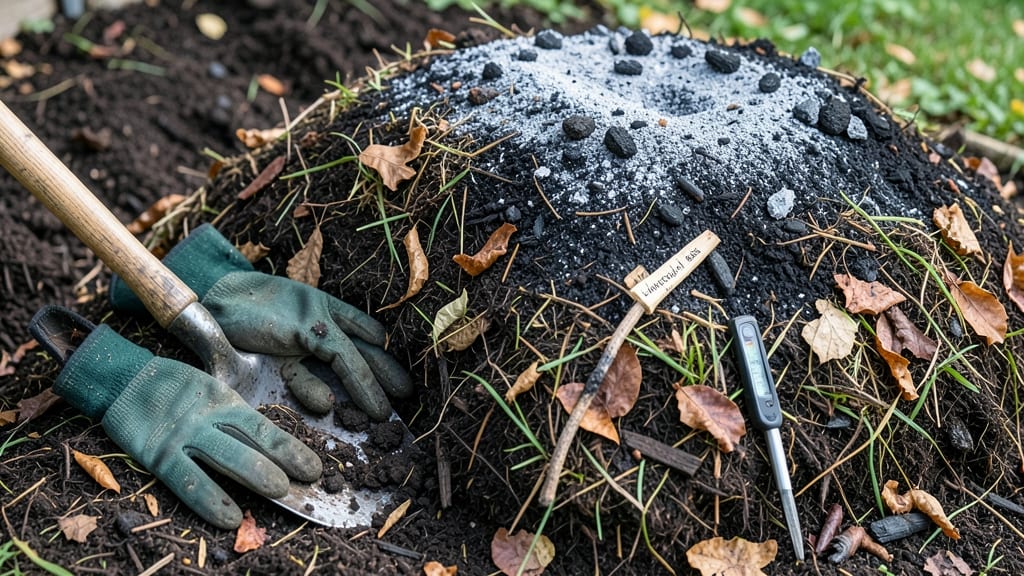
You can use charcoal ashes in your garden to enhance soil quality by increasing pH levels and binding harmful heavy metals, but only when applied in carefully measured amounts to prevent soil alkalinity or nutrient deficiencies. Always conduct a soil test first and use food-grade charcoal exclusively.
Charcoal ashes work differently than traditional wood ash because they contain higher levels of activated carbon, which acts like a natural filter for soil toxins. 🔥 Unlike wood ash, which can raise pH dramatically, charcoal ash has a more gradual effect—ideal for acidic soils or areas contaminated with chemicals.
The key is moderation: sprinkle a thin layer (½ cup per 10 square feet) into the topsoil, then water thoroughly to distribute evenly. Many gardeners swear by this method for reviving tired soil, especially for plants like blueberries or hydrangeas that prefer slightly alkaline conditions.
For best results, mix the ashes into the top 2-3 inches of soil rather than applying them directly to plant roots. This prevents localized pH spikes that could stress sensitive plants. Always pair application with a soil test before and after—most garden centers offer affordable kits.
And remember: never use charcoal from treated wood or briquettes, as these can introduce harmful chemicals into your garden ecosystem.
💡 In This Article
- How Charcoal Ashes Affect Soil Chemistry
- Safe Application Methods for Garden Charcoal Ashes
How charcoal ashes affect soil chemistry
Charcoal ashes act as a natural soil amendment because they contain a unique blend of minerals and alkaline compounds that interact with soil chemistry in several ways.
The high calcium carbonate content (typically 30-50%) raises soil pH gradually, making it ideal for acidic gardens where plants struggle to access nutrients like phosphorus and nitrogen.
Unlike wood ash—which can spike pH levels dramatically and create localized hotspots—charcoal ash's finer particles distribute more evenly, creating a steadier pH adjustment over time.
The activated carbon structure in charcoal ashes also plays a crucial role in detoxifying contaminated soil. These porous surfaces bind to heavy metals like lead and cadmium through a process called adsorption, effectively neutralizing their toxicity.
Studies show that a 1% charcoal ash application can reduce available heavy metal concentrations by 20-40%, making nutrients more accessible to plant roots. This makes charcoal ash particularly valuable in urban gardens near traffic or industrial areas where soil contamination is common.
Mineral content varies based on the charcoal source, but most contain significant amounts of potassium (5-10%) and trace elements like magnesium and iron. These nutrients become available to plants as the ash breaks down, though the process is slower than with synthetic fertilizers.
The potassium content helps improve soil structure by promoting microbial activity, while the calcium strengthens cell walls in plants, making them more resilient to disease. This dual action explains why many organic gardeners prefer charcoal ash over traditional wood ash.
What sets charcoal ash apart from biochar is its immediate solubility in water. While biochar remains largely inert in the soil, charcoal ash dissolves quickly, releasing its alkaline properties almost instantly. This makes it better suited for emergency pH correction rather than long-term soil building.
However, the trade-off is that the effects are temporary—typically lasting 1-2 growing seasons—which is why regular soil testing is essential to maintain optimal conditions.
For visual comparison, imagine sprinkling charcoal ash on soil versus wood ash: charcoal creates a finer, grayish dust that blends more seamlessly, while wood ash leaves visible white specks.
The texture difference reflects their distinct chemical behaviors—charcoal ash's finer particles allow for more uniform distribution, reducing the risk of localized pH spikes that could harm sensitive plants like azaleas or rhododendrons.
One often-overlooked benefit is the ash's ability to improve soil aeration. The porous structure helps break up compacted clay soils, creating tiny air pockets that enhance root growth. This physical improvement complements the chemical benefits, making charcoal ash a dual-purpose amendment that addresses both pH and soil structure simultaneously.