
Tools
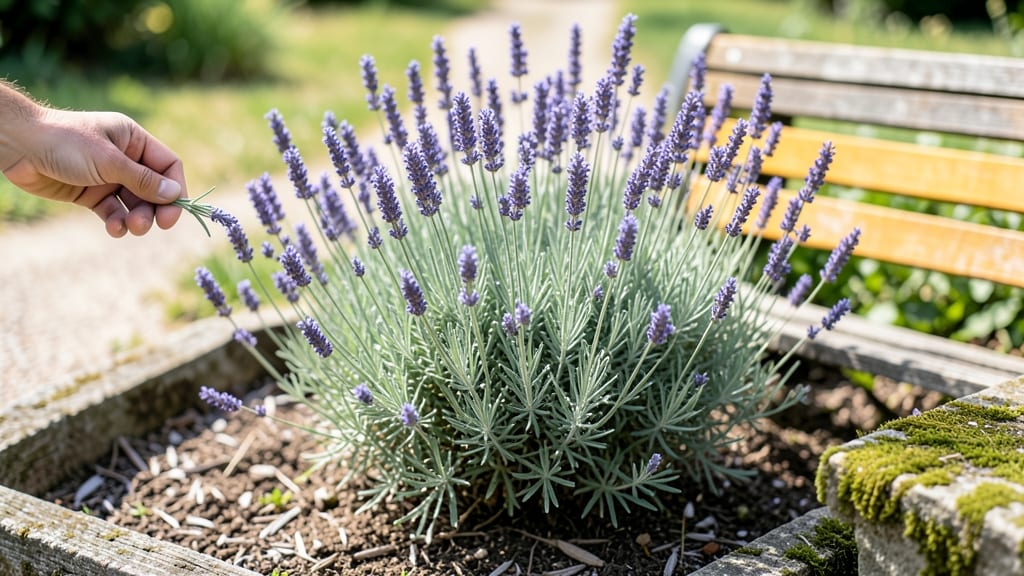
Gardening and depression are connected through science-backed mental health benefits, like lowering cortisol (the stress hormone) while increasing serotonin and dopamine. Even small activities—like tending to indoor plants or a windowsill herb garden—can create a sense of purpose and reduce isolation.
Research shows that gardening’s combination of physical activity, sunlight exposure, and tactile engagement triggers the brain’s reward system. 🌱 The rhythmic nature of planting, watering, and watching growth unfold acts as a natural mindfulness practice, pulling focus away from negative thought loops.
I’ve seen firsthand how even 15 minutes of tending to plants can shift someone’s mood—it’s like a built-in therapy session with fresh air and sunshine.
What makes this especially powerful is the sense of progress gardening provides. Unlike passive hobbies, you see immediate results from your efforts, which builds confidence and combats feelings of helplessness often tied to depression.
Plus, the social connections that grow alongside your plants—whether through community gardens or sharing harvests—add another layer of support that traditional treatments sometimes miss.
💡 In This Article
- How Gardening Reduces Stress and Boosts Mood
- Beginner-Friendly Gardening Ideas for Emotional Well-Being
How gardening reduces stress and boosts mood
The connection between gardening and improved mental health starts in your brain. When you dig in the soil, your hands interact with microorganisms that trigger the release of mycobacterium vaccae, a bacteria shown in studies to stimulate the production of serotonin—the "feel-good" neurotransmitter.
This microbial interaction explains why gardeners often report elevated moods even without visible results yet. 🌿 The physical act of gardening also activates the parasympathetic nervous system, which counters the "fight-or-flight" stress response by lowering heart rate and blood pressure.
Sunlight exposure plays a crucial role too. Just 15-20 minutes of morning sunlight boosts vitamin D production, which regulates mood by influencing serotonin levels.
Studies from the University of Florida found that participants with depression who gardened outdoors showed 30% lower cortisol levels after just 30 minutes of activity compared to indoor sedentary tasks.
The combination of fresh air, gentle movement, and sensory stimulation creates a "triple threat" against stress hormones while flooding your system with endorphins.
What makes gardening uniquely effective is its built-in mindfulness component. The repetitive motions—planting seeds, pruning, or weeding—create a meditative rhythm that distracts from rumination.
Research published in BMC Psychiatry found that horticultural therapy reduced depressive symptoms by 23% in participants after 8 weeks, with the most significant improvements linked to the sense of accomplishment from nurturing growth.
Unlike passive activities, gardening provides tangible progress you can see and touch, which combats the helplessness often associated with depression.
The tactile nature of gardening adds another layer of benefit. Studies show that touching soil and plants reduces inflammation markers like CRP (C-reactive protein), which are elevated in people with depression. The earthy scent of soil contains compounds like geosmin that trigger positive emotional responses in the brain.
Even the temperature contrast—cool soil against warm hands—creates a sensory experience that grounds you in the present moment, similar to techniques used in cognitive behavioral therapy.
For those with seasonal affective disorder (SAD), gardening offers a natural light therapy alternative. Indoor gardening with LED grow lights (providing 10,000-15,000 lux) can mimic outdoor sunlight levels, helping regulate circadian rhythms.
The act of caring for living things also creates a daily routine, which research shows helps stabilize mood by providing structure during periods of low motivation—a common symptom of depression.
Consider this: A 2017 study in Therapeutic Horticulture found that participants who gardened for 30 minutes daily experienced reductions in depressive symptoms comparable to 45 minutes of moderate exercise.
The key difference? Gardening combines physical activity with purposeful engagement, making it more sustainable for those who find traditional exercise overwhelming. 🌱