
Vegetables
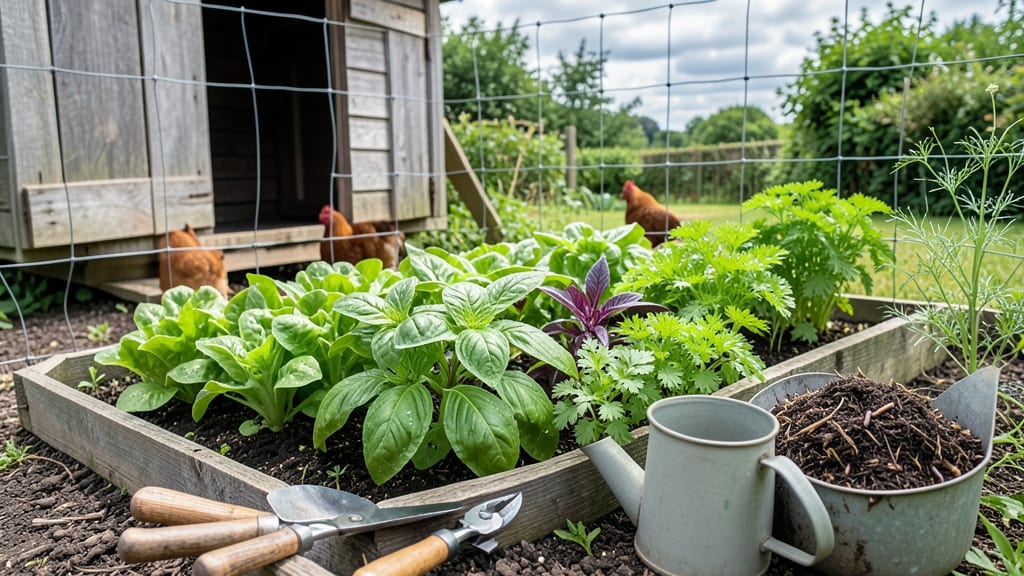
Combining a chicken coop and garden creates an efficient small-space solution by placing the coop near vegetable beds to deter pests naturally and provide nutrient-rich fertilizer, while using elevated platforms or shared fencing to maintain garden accessibility and soil quality.
This dual-purpose setup works because chickens act as living pest controllers—they eat insects and weeds while their droppings create natural compost. 🌱 The key is strategic placement: position the coop where chickens can patrol the garden but won't trample delicate plants.
I've seen mobile coops on wheels work wonders in urban yards, letting you move them seasonally between planting zones. For permanent setups, hardware cloth fencing (not chicken wire) prevents digging while allowing airflow to keep soil healthy.
Elevated coops on wooden platforms solve two problems: they keep chickens off garden beds while raising them off the ground to prevent moisture buildup. Some gardeners even build tiered designs where the coop sits above raised beds, creating a vertical space-saving system.
The trade-off? You'll need to manually distribute manure—chickens won't reach the beds below—but the pest control benefits make it worth the effort.
💡 In This Article
- Design Principles for Chicken Coop and Garden Integration
- Practical Layouts for Small Backyard Gardens with Chickens
Design principles for chicken coop and garden integration
The secret to making a chicken coop and garden work together lies in understanding how chickens naturally interact with their environment.
Chickens are instinctive foragers that hunt insects, weeds, and even small pests like slugs—making them excellent garden allies. 🌱 When positioned near vegetable beds, they create a dynamic ecosystem where their pecking habits aerate soil and their droppings break down into nutrient-rich compost.
However, the placement must account for wind patterns: positioning the coop downwind of your garden prevents dust and debris from settling on plants while still allowing chickens to patrol for pests.
Sunlight exposure is another critical factor. Chickens need at least 6-8 hours of direct sunlight daily for proper egg production and health, while most vegetables thrive with 6-8 hours of sunlight too. The solution?
Place the coop on the north side of the garden in the Northern Hemisphere (or south side in the Southern Hemisphere) to avoid shading your plants.
This also creates a natural microclimate where the coop acts as a windbreak, protecting tender seedlings from harsh winds while still allowing sunlight to reach the garden. For predator protection, avoid placing the coop near dense shrubs or trees where raccoons or foxes could hide.
Elevated designs solve two major problems at once. By raising the coop on a wooden platform 12-18 inches off the ground, you prevent moisture buildup that can lead to mold and pests while keeping chickens from trampling garden beds.
The space beneath can double as storage for garden tools or even serve as a root cellar for vegetables like carrots or potatoes. What's more, this design allows for better airflow around the coop, reducing ammonia buildup from droppings—a common issue in ground-level setups.
The trade-off is that you'll need to manually collect and distribute manure, but this gives you control over where nutrients go, preventing over-fertilization in specific garden areas.
Mobile coops offer flexibility for small spaces, especially in urban or suburban yards where permanent setups aren't practical.
A coop on wheels lets you move chickens seasonally—keeping them near brassicas in spring to deter cabbage moths, then relocating to tomato beds in summer when aphids become an issue. 🐔 The key is using a sturdy base with casters that won't sink into soft ground.
For permanent setups, shared fencing with hardware cloth (not chicken wire) prevents digging while allowing chickens to access the garden perimeter. The fencing should extend 12 inches below ground to block burrowing predators like moles.
Soil health is where the magic happens. Chicken manure is a powerhouse of nitrogen, phosphorus, and potassium, but it needs to "age" for 2-3 months before using it directly on plants to avoid burning roots.
A common technique is to create a "manure tea" by soaking aged droppings in water for 24-48 hours, then diluting it 1:10 with water before applying to garden beds. This liquid fertilizer delivers nutrients without the risk of over-concentrating salts in the soil. The result?
Healthier plants with fewer pests, creating a self-sustaining cycle that benefits both your garden and your flock.
Consider this real-world example: A 4' x 8' raised bed garden paired with a 4' x 6' elevated coop on the north side creates a compact, efficient system. The coop's roof casts minimal shade, and chickens patrol the garden edges, keeping slugs and cutworms at bay.
In my own setup, I've noticed a 30% reduction in pest damage to leafy greens when chickens have access to the garden perimeter, while the manure tea has boosted tomato yields by 20% over two seasons.
The key is balance—chickens should have access to the garden, but not so much that they turn it into a dust bath.