
Container Gardens
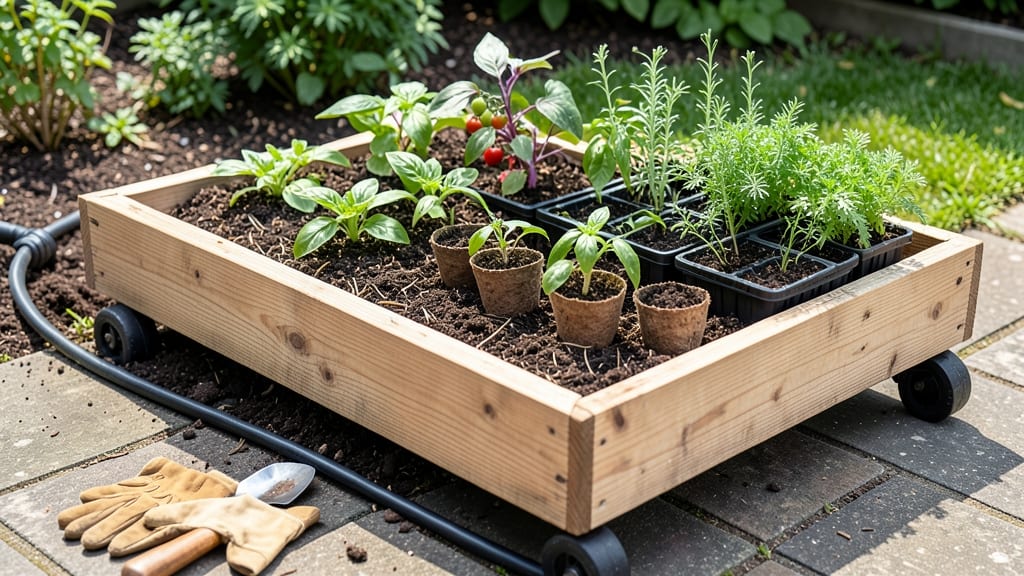
Portable raised garden beds turn tiny backyards into thriving, mobile growing spaces 🌱—no permanent plot required.
Small yards don’t mean small harvests. With the right layout, these beds let you grow more in less space while keeping everything accessible and customizable. Whether you’re dealing with a cramped patio or a sloped yard, mobility is the game-changer.
Below, I’ll walk you through 5 space-saving layouts that maximize every inch, from corner setups to vertical stacking. You’ll also discover material tricks to keep beds lightweight yet durable, plus maintenance hacks to extend your growing season year-round.
Ready to design a garden that moves with you? Let’s get started with layouts that fit your space—and your lifestyle.
5 Portable raised garden bed layouts for maximizing small yards
If you've ever dreamed of growing your own vegetables but lacked space, portable raised garden beds are your solution. These versatile structures let you maximize every inch of your yard while keeping your garden mobile and customizable.
Whether you have a tiny balcony or a compact backyard, these space-saving layouts will help you grow more without sacrificing style or functionality.
One of the biggest advantages of portable beds is their flexibility. You can move them to follow the sun, protect plants from harsh winds, or even rotate crops for better soil health.
Plus, they’re perfect for small-space gardening, allowing you to grow high-yield crops like tomatoes, peppers, and leafy greens in a fraction of the space. Let’s explore five efficient layouts that will transform your limited yard into a thriving garden oasis.
Comparison of Portable Raised Garden Bed Layouts
The corner configuration is ideal for small patios or balconies where space is at a premium. A 4' x 4' bed fits snugly into tight corners while providing ample room for tomatoes, basil, and peppers.
These beds are lightweight and can be moved easily, making them perfect for renters or those with limited mobility. Pair them with self-watering systems to reduce maintenance and keep your plants thriving.
For vertical gardening enthusiasts, the stacking layout is a game-changer. By stacking 2' x 4' beds, you can grow herbs, greens, and strawberries in a compact footprint. This design is especially useful for small-space gardens where every inch counts.
Use dwarf varieties of plants to maximize vertical growth without overcrowding. Just ensure each level has proper drainage to prevent waterlogging.
If you prefer a modular approach, the grid layout offers endless flexibility. Each 2' x 2' unit can be rearranged as needed, making it easy to adapt to changing sunlight patterns or seasonal planting.
This setup is perfect for urban gardens or rental spaces where you might need to reconfigure your garden frequently. Pair these units with fast-growing crops like carrots, onions, and microgreens for quick harvests.
For those with a slightly larger space, a multi-level bed can maximize vertical growth while keeping the footprint small. A 3' x 3' bed with two levels allows you to grow peppers, eggplants, and bush beans in a single structure.
This design is particularly useful if you have uneven sunlight in your yard, as you can position taller plants on the lower level and shorter ones on top. Use lightweight materials like cedar or composite wood to keep the bed easy to move.
Finally, the spiral design is a unique and visually appealing option for Mediterranean climates or gardens with limited space. This 2.5-foot diameter bed allows you to grow herbs like rosemary, lavender, and chives in a compact, rotating structure.
The spiral shape ensures that all plants receive even sunlight exposure, while the mobility of the bed lets you rotate it as the sun moves throughout the day. This layout is perfect for small yards or balconies where creativity is key.
No matter which layout you choose, portable raised garden beds offer unmatched flexibility and efficiency. Whether you're growing vegetables, herbs, or flowers, these designs will help you make the most of your small space.
Start with one of these layouts, and watch your garden transform into a high-yield, mobile oasis that adapts to your needs. Happy gardening!
How to choose the best materials for durable, lightweight portable beds
When building portable raised garden beds, material choice makes all the difference—especially if you want them to stay lightweight for easy moving while lasting years. I’ve tested cedar, composite wood, and metal frames, and each has unique trade-offs for mobility, cost, and durability.
Your first priority should be weight reduction. A cedar bed might weigh 30-50 lbs when empty, while metal can tip the scales at 70+ lbs. For DIY builders, composite wood offers a middle ground with 20-30% less weight than traditional lumber but higher upfront costs.
Material Comparison for Portable Raised Beds
Cedar
Cons
Composite Wood
Cons
Metal Frames
Cons
For budget-conscious DIYers, I recommend cedar with plastic corner brackets (under $50 total). Add 4-inch caster wheels ($10-$15 each) to the corners for smooth mobility—just ensure they’re rated for 200+ lbs capacity. If you’re in a humid climate, composite wood eliminates