
Planting
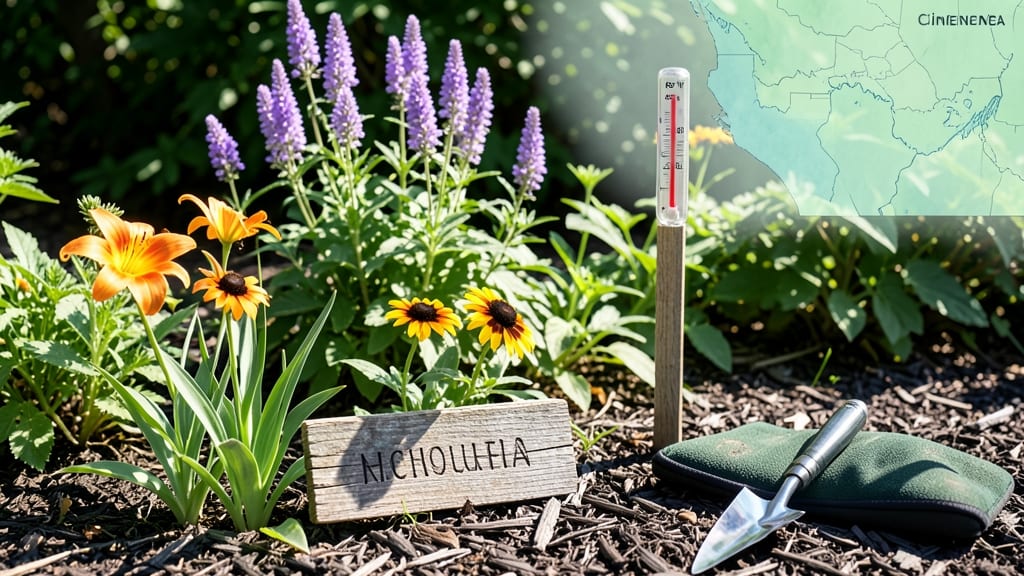
Gardening in Cincinnati means working with USDA Hardiness Zones 6a and 6b, where the frost-free season typically runs from mid-April through mid-October, though your planting schedule should account for specific crop needs—cool-season plants can start in early March while warm-season varieties need to wait until after the last frost in May.
Cincinnati's gardening climate is shaped by its unique mix of urban heat and microclimates, which can shift frost dates by up to two weeks depending on your neighborhood. 🌱 The city's average last frost date (April 15) and first frost (October 15) provide a general guideline, but gardeners should track local weather patterns—especially in shaded areas or near bodies of water, where frost lingers longer.
For cool-season crops like lettuce or spinach, you can often start seeds indoors in late February to get a head start before the official planting window opens.
Warm-season plants like tomatoes and peppers require more patience—they need soil temperatures above 55°F to thrive, which typically happens after Cincinnati's last frost date in mid-May. I always recommend waiting until late May or early June to plant these heat-lovers, as early May frosts can still occur.
The key is balancing these general rules with your specific garden conditions, whether that means using row covers for early spring plantings or choosing frost-tolerant varieties when extending the season.
💡 In This Article
- Understanding Cincinnati’s Frost Dates and Microclimates
- Planting Calendar for Cincinnati Gardens by Season
Understanding Cincinnati’s frost dates and microclimates
Cincinnati’s frost patterns are heavily influenced by its urban heat island effect, where concrete and buildings trap warmth, delaying spring frosts by 5-7 days in downtown areas compared to rural outskirts.
The USDA’s 1981-2010 climate normals show the average last frost date as April 15, but gardeners in warmer microclimates (like near the Ohio River) can often plant cool-season crops 2-3 weeks earlier.
Conversely, elevated areas or shaded gardens may experience frost up to 10 days later—this is why tracking local weather stations is crucial for accurate timing.
The difference between average frost dates and planting readiness comes down to soil temperature and plant hardiness. For example, while the last frost might pass in mid-April, soil temperatures typically need to reach 40°F for cool-season crops like peas or spinach.
Using a soil thermometer is key—Cincinnati’s clay-heavy soils warm slowly, often requiring 2-3 weeks after the last air frost before planting. Warm-season crops like tomatoes need even warmer soils (60°F+), which usually aligns with late May.
Microclimates create dramatic variations within just a few blocks. A south-facing garden wall can warm 10°F+ faster than an open north-facing area, while bodies of water (like the Ohio River) create cold air pockets that trap frost.
I’ve seen gardeners in Hyde Park plant tomatoes 10 days earlier than neighbors in Mount Adams due to these microclimate differences. This is why Cincinnati gardeners should observe their specific location for 3-5 years to establish their true frost-free window.
Another critical factor is the "false spring" phenomenon—warm spells in March can fool gardeners into planting too early, only for a late frost to strike. Historical data shows Cincinnati averages 2-3 hard frosts between March 15 and April 15, with temperatures dropping below 28°F.
Using row covers or cold frames can extend planting windows by 2-4 weeks, but they require careful monitoring to prevent overheating during sunny days.
For precise planning, consult Cincinnati’s National Weather Service frost probability maps or local cooperative extension records. The Ohio State University Extension provides detailed planting calendars that account for these variations.
Remember, while averages are helpful, your garden’s unique conditions often dictate the real timeline—what works for a neighbor’s sunny plot might fail in your shaded corner.
One pro tip: Plant a frost-sensitive test crop (like lettuce) in early April to gauge your specific frost risk. If it survives, you can safely expand your planting window. This hands-on approach often reveals 1-2 week differences from the published averages, saving you from potential crop loss.