
Container Gardens
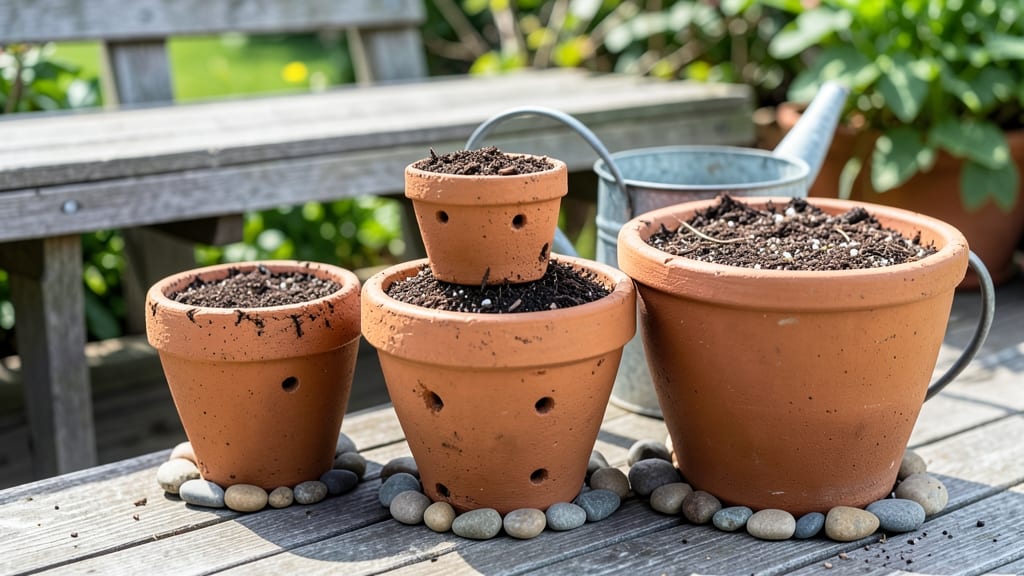
Using clay garden pots can turn your container garden into a stylish, functional retreat that thrives in heat while adding timeless charm to your outdoor space.
Imagine stepping into your garden and finding plants that not only survive the summer heat but flourish in it—thanks to the natural breathability and temperature-regulating properties of clay.
These pots are more than just planters; they’re a design statement that pairs perfectly with everything from rustic herb gardens to modern succulent arrangements.
What makes clay pots so special? Beyond their classic look, they wick away excess moisture, keeping roots cool and preventing the soggy soil that can suffocate plants in plastic containers.
Plus, their heat resistance means they won’t warp or fade under the sun, making them a long-term investment for your garden.
In this guide, you’ll discover how to style clay pots for different aesthetics, care for them year-round, and choose the best plants to pair with their unique properties—so your garden stays both beautiful and healthy, no matter the season.
Why clay garden pots are the best heat-resistant choice for your plants
If you live in a hot climate or struggle with overwatering, clay garden pots might be your secret weapon. Unlike plastic or ceramic, clay’s natural properties make it the ideal choice for heat regulation and moisture balance.
The porous material wicks away excess water while allowing roots to breathe—perfect for drought-tolerant plants like lavender or rosemary.
Clay pots also absorb and release heat gradually, preventing soil from becoming too hot for delicate roots. This means your herbs and vegetables stay healthier longer, even under scorching sun. Plus, their rustic charm adds a timeless appeal to any patio or garden bed.
But how do they stack up against other materials? Let’s break it down in this comparison to help you choose the best option for your plants and space.
| Property | Clay Pots | Plastic Pots | Ceramic Pots |
|---|---|---|---|
| Heat Resistance | Excellent (absorbs/releases heat) | Poor (retains heat, can burn roots) | Good (depends on glaze, but less breathable) |
| Moisture Control | Superior (wicks excess water) | Poor (retains moisture, risks rot) | Moderate (glazed types vary) |
| Root Health | Optimal (aeration + temperature control) | Weak (roots suffocate, overwater risk) | Good (if unglazed, but heavier) |
| Durability | Moderate (can crack in freeze/thaw) | High (lightweight, unbreakable) | High (if not dropped) |
| Best For | Herbs, veggies, drought-tolerant plants | Seedlings, moisture-loving plants | Decorative plants, low-maintenance gardens |
The porous nature of clay isn’t just great for heat—it also prevents soil from compacting, which is crucial for root development. Unlike plastic, which traps moisture and can lead to root rot, clay allows excess water to evaporate while keeping the soil just moist enough for most plants.
For hot climates, this means your tomatoes, peppers, and basil stay healthier longer. The material’s ability to moderate temperature swings also protects against sudden heat spikes that can stress plants. Even in arid conditions, clay’s moisture-wicking properties help conserve water without sacrificing plant health.
Another advantage? Natural aeration. Clay pots improve airflow to the roots, reducing the risk of fungal diseases like powdery mildew or black spot. This is especially beneficial for leafy greens and flowering plants, which thrive in well-aerated soil.
If you’re worried about cracking in winter, don’t be—most clay pots are fine in USDA Zone 7 and above. For colder areas, opt for glazed clay pots or store them indoors during frost.
Their rustic aesthetic also pairs beautifully with modern or Mediterranean gardens, making them a versatile choice.
Ready to upgrade your container garden? Clay pots are a game-changer for heat-loving plants, offering both practical benefits and visual appeal. Just remember: drainage holes are a must to prevent waterlogging, even with clay’s natural wicking.
Next, explore the top 5 clay pot styles to find the perfect match for your garden’s design and your plants’ needs.
Top 5 clay pot styles for different plants and garden aesthetics
Choosing the right clay pot style can make all the difference in your garden’s success and visual appeal. Whether you’re growing herbs, succulents, or vegetables, each pot shape offers unique benefits while complementing your garden’s aesthetic. Let’s explore the best options to elevate your container garden design.
From rustic terracotta to sleek glazed finishes, clay pots come in shapes that cater to both function and form. For example, ribbed pots improve drainage for moisture-sensitive plants, while wide-mouth pots make planting and maintenance easier.
Pairing the right pot with the right plant ensures your garden thrives while staying cohesive in style.
🏺 Best Clay Pot Styles for Your Garden
-
1. Classic Terracotta Pots
Perfect for: Herbs (basil, thyme), tomatoes, and petunias -
2. Glazed Clay Pots
Perfect for: Succulents (echeveria, sedum), ferns, and tropical plants -
3. Ribbed or Textured Pots
Perfect for: Peppers, strawberries, and drought-tolerant perennials -
4. Wide-Mouth Pots
Perfect for: Bulbs (tulips, daffodils), shallow-rooted flowers -
5. Self-Watering Clay Pots
Perfect for: Vegetables (lettuce, spinach), delicate annuals
For a rustic garden, group terracotta pots in varying sizes for a layered look. Place them on wooden crates or stone slabs to enhance the earthy vibe. If you prefer a modern aesthetic, opt for smooth, glazed pots in neutral tones like sage green or warm terracotta.
Arrange them symmetrically on a sleek patio or balcony.
When styling your garden, consider the height and color of your pots. Taller pots draw the eye upward, making them ideal for focal points, while shorter ones create a cozy, intimate feel.
Mixing textures—like pairing ribbed pots with smooth ones—adds depth and visual interest. Don’t forget to group pots by plant type for a polished, intentional look.
Pro tip: Use cactus pads or gravel in the bottom of pots to improve drainage and prevent root rot. This is especially important for clay pots, which dry out quickly.
With the right style and care, your clay pots will not only enhance your garden’s beauty but also create the perfect environment for your plants to thrive.