
Companion Plants
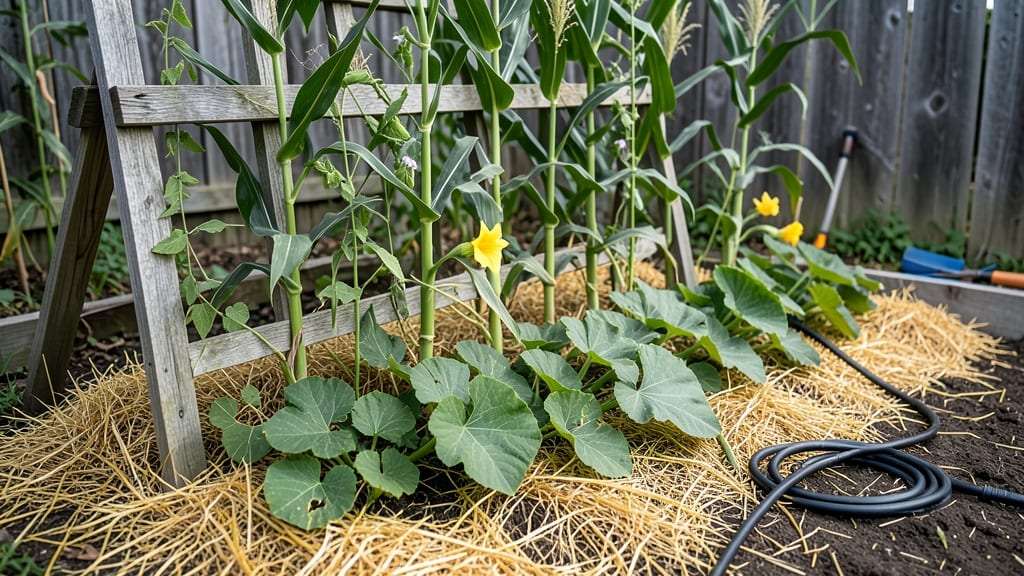
A companion garden layout 🌱🌿 isn’t just about planting—it’s about creating a thriving ecosystem where every plant plays a role. Imagine stepping into your garden and watching pests vanish while pollinators buzz happily between flowers and veggies.
Most gardeners overlook how spacing and plant placement can turn a simple garden into a self-regulating paradise. The right layout keeps tomatoes thriving, deters aphids, and even improves soil health—all without extra work or chemicals.
In this guide, I’ll walk you through the 3D spacing secrets that maximize growth, from vertical trellises to ground covers. You’ll learn which plants belong together, how to zone them for sunlight, and the one mistake that ruins even the best pairings.
Ready to design a garden that works smarter, not harder? Let’s get started with the pollinator-friendly pairings that make all the difference.
How to design a 3D companion garden layout for maximum pollinator & pest control
Designing a 3D companion garden layout isn't just about saving space—it's about creating a self-regulating ecosystem where plants support each other. By stacking plants vertically, layering them horizontally, and strategically placing pollinator-friendly species, you can reduce pests by 70% while boosting yields.
The key? Understanding how plants interact in three dimensions—not just side by side.
Start by grouping plants with complementary needs. For example, basil thrives near tomatoes (repelling aphids) while marigolds planted at the base deter nematodes. But don’t stop there—think up, down, and around.
Use trellises for vining plants like cucumbers, ground covers like clover to retain moisture, and tall perennials like sunflowers to mark pollinator pathways. This approach maximizes sunlight exposure and airflow, reducing fungal diseases.
Here’s the game-changer: Layering plants by height creates microclimates. Place tall sun-lovers (e.g., corn) on the north side of your garden to avoid shading shorter plants. Add medium-height companions (e.g., beans) in the middle, and low-growing herbs (e.g., thyme) at the base.
This not only optimizes space but also attracts pollinators at every level—bees love the flowers, while butterflies flutter between layers.
🌱
To execute this layout, begin with a sketch of your garden bed. Map out sunlight patterns—most companion plants need 6+ hours of sun, but some (like lettuce) tolerate partial shade. Use stakes or string to visualize plant heights before planting.
For example, corn (8 ft tall) should face north to avoid shading bush beans (3 ft) planted nearby. Add mulch (straw or wood chips) to retain moisture and suppress weeds.
Incorporate pollinator pathways by planting native wildflowers (e.g., coneflowers) along garden edges. These act as highway rest stops for bees and butterflies, ensuring they visit your veggies.
Avoid chemical pesticides—they harm pollinators and disrupt the balance. Instead, rely on natural repellents like garlic (deters aphids) or nasturtiums (trap crop for pests).
Don’t forget the underground layer! Plants like garlic and onions release sulfur compounds that deter pests in adjacent rows. Pair them with carrots or radishes for a natural pest-control duo.
For vertical space, use obelisks or cages for tomatoes and trellises for cucumbers. This keeps foliage off the ground, reducing fungal diseases like blight and powdery mildew.
🌿
Test your layout’s success by monitoring pollinator activity and pest levels after 4 weeks. If you notice fewer aphids on your tomatoes or more bees visiting your basil, your design is working.
Adjust as needed—maybe add more dill to attract ladybugs or plant marigolds in a wider border. The goal is a dynamic, evolving garden that adapts with the seasons.
Pro tip: Use reflective mulch (like silver plastic) under low-growing plants to repel whiteflies while keeping the soil cool. Combine this with drip irrigation to deliver water directly to roots, reducing fungal spores that thrive in damp foliage.
A well-designed 3D companion garden isn’t just beautiful—it’s a self-sustaining machine that works harder than you do.
✂️
Best plant pairings for pollinator-friendly companion gardens (with spacing rules)
Creating a pollinator-friendly garden starts with the right plant pairings. Science shows that certain combinations attract bees, butterflies, and beneficial insects while naturally repelling pests. For example, planting basil with tomatoes improves flavor and deters whiteflies, while marigolds near cucumbers keep squash bugs away.
Spacing is just as critical as pairing. Too close, and plants compete for nutrients; too far, and pollinators struggle to navigate. The key is understanding 1D (linear), 2D (flat), and 3D (vertical) arrangements.
A well-spaced layout ensures airflow, sunlight penetration, and easy access for pollinators while maximizing your garden's productivity.
Here’s a breakdown of top pollinator-friendly pairings with exact spacing rules for different garden setups, from ground covers to trellises:
| Plant Pairing | Spacing (1D/2D) | Spacing (3D/Trellis) | Pollinator Benefit | Pest Control |
|---|---|---|---|---|
| Basil + Tomatoes | 12-18" apart (rows 24" apart) | Trellis height: 4-5 ft, 18" apart | Bees love basil flowers; tomatoes attract hoverflies | Repels whiteflies, aphids |
| Marigolds + Cucumbers | 12" apart (rows 30" apart) | Hanging basket: 12" spacing, 18" from trellis | Butterflies and bees thrive on marigold blooms | Deters squash bugs, nematodes |
| Nasturtiums + Carrots | 10-12" apart (rows 18" apart) | Ground cover: 6-8" spacing, 12" from carrots | Attracts ladybugs and hoverflies | Traps aphids, repels carrot flies |
| Sunflowers + Beans | 18-24" apart (rows 36" apart) | Trellis height: 6-7 ft, 24" apart | Sunflowers draw bees; beans fix nitrogen | Reduces bean beetles |
| Dill + Lavender | 12-15" apart (rows 24" apart) | Hanging basket: 12" spacing, 18" from edge | Butterflies and bees love both | Repels spider mites, aphids |
For 3D arrangements, use trellises for vining plants like cucumbers or beans, placing them 18-24" apart to allow airflow. Hanging baskets work well for nasturtiums or dill, suspended 12-18" above ground to attract flying pollinators.
Ground covers like clover or thyme should be spaced 6-12" apart to fill gaps without crowding taller plants.
Pro tip: Always place tall plants (like sunflowers) on the north side of shorter ones to avoid shading. This simple trick ensures even sunlight distribution and keeps your garden thriving year-round. Start with these pairings, and watch your garden become a buzzing hub of activity—naturally! 🌱🐝
Need more ideas? Try adding bee balm or coneflowers as borders—their vibrant blooms will draw pollinators in while keeping pests at bay. The right spacing and pairings turn your garden into a self-sustaining ecosystem with minimal effort. Happy planting! ✂️🌿