
Watering
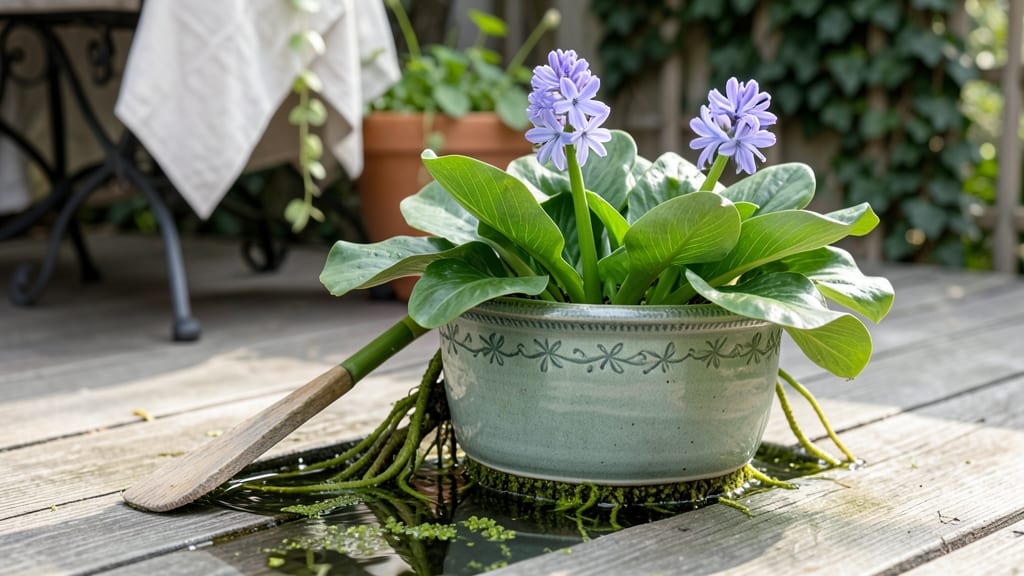
Creating a stunning water garden with the right container water garden plants lets you bring aquatic beauty to even the smallest spaces—no backyard required.
Picture this: a tiny patio or balcony transformed into a tranquil oasis where water lilies drift gently and marginal plants sway in the breeze. The best part? You don’t need a pond—just the right container water garden plants and a little know-how to get started.
Whether you’re drawn to floating varieties like water hyacinth or submerged oxygenators such as hornwort, the key is balancing aesthetics with function. Too much shade? Your plants will struggle.
Too little water? Algae takes over. I’ll walk you through the perfect plant pairings, container setups, and seasonal care tricks to keep your aquatic haven thriving year-round.
Ready to dive in? You’ll discover how to choose plants that work together, troubleshoot common issues like murky water or leggy growth, and even attract local wildlife—all without breaking the bank.
Best floating water garden plants for oxygenation and pest control
A floating water garden isn't just beautiful—it's a functional ecosystem that naturally filters water, suppresses mosquitoes, and provides shade for submerged plants. The key lies in selecting the right container water garden plants that float effortlessly while delivering these benefits.
My top picks? Water hyacinth, water lettuce, and duckweed—each with unique advantages for your aquatic setup.
These floating plants work together to create a balanced environment. Water hyacinth thrives in warm climates and spreads rapidly, while water lettuce offers dense foliage that blocks sunlight to prevent algae. Duckweed, the smallest of the trio, forms a green carpet that oxygenates water and deters pests.
Together, they transform stagnant water into a thriving microhabitat.
Why choose floating plants? They require minimal maintenance, naturally improve water quality by absorbing excess nutrients, and create shade that protects submerged species from harsh sunlight. Plus, their roots dangle into the water, providing habitat for beneficial insects and small aquatic creatures. For container gardens, these plants are ideal because they don’t need soil—just space to float and grow.
| Plant | Growth Rate | Pest Control | Sunlight Needs | Care Tips |
|---|---|---|---|---|
| Water Hyacinth | Fast (doubles in 2 weeks) | Excellent (mosquito larvae) | Full sun (6+ hours) | Prune aggressively; remove from containers if overcrowded |
| Water Lettuce | Moderate (spreads steadily) | Good (shade reduces breeding) | Partial shade to full sun | Divide clumps yearly; avoid stagnant water |
| Duckweed | Very fast (covers surface in weeks) | Superior (blocks sunlight) | Full sun to partial shade | Harvest excess monthly; avoid overgrowth |
Water hyacinth is a powerhouse for mosquito control in containers, thanks to its dense root system that disrupts larvae development. However, its rapid growth means you’ll need to prune roots regularly to prevent clogging. I recommend starting with just 2-3 plants in a 10-gallon container to avoid overcrowding. In warmer climates (USDA zones 9-11), this plant can become invasive, so contain it with a mesh barrier if needed.
Water lettuce is my go-to for shade-loving containers because it thrives in partial shade, making it perfect for patios with limited sunlight. Its rosette shape creates a natural umbrella effect, reducing algae growth by blocking up to 70% of sunlight. To maintain its health, I divide large clumps every spring and remove any yellowing leaves. This plant also doubles as a natural water filter, absorbing excess nutrients like nitrogen and phosphorus.
For small containers or tight spaces, duckweed is the ultimate space-saver. It forms a lush green carpet that oxygenates water and deters mosquitoes by outcompeting algae. The catch? It multiplies exponentially, so I harvest excess weekly using a fine mesh net.
In a 5-gallon container, a handful of duckweed can cover the entire surface within 2-3 weeks. Pair it with a submerged oxygenator like hornwort to balance the ecosystem.
When combining these plants, start with a 50-50 ratio of water lettuce to duckweed for balanced coverage. Add water hyacinth only if your container is 15 gallons or larger, as its roots can become unruly.
Always place your container in full sun to partial shade, and avoid overfeeding—these plants thrive in low-nutrient water. A small air pump can also help maintain oxygen levels, especially in hot summer months.
One common mistake I see is overcrowding floating plants, which leads to stagnant water and root rot. To prevent this, leave at least 1-2 inches of space between plants and trim any roots that dangle into the water below 6 inches deep.
If you notice yellowing leaves, it’s often a sign of nutrient deficiency—simply remove 20% of the plant mass to reduce competition. For winter care, reduce duckweed and water lettuce by half, as they grow slowly in cooler temperatures.
Pro tip: Add a floating solar bead thermometer to monitor water temperature. These plants prefer 65-85°F—below 50°F, growth slows dramatically. If you live in a cooler climate, opt for water lettuce over water hyacinth, as it tolerates temperatures down to 40°F.
With the right balance, your container water garden will become a self-sustaining haven for wildlife and a stunning centerpiece.
Submerged oxygenating plants that keep your container water garden healthy
A healthy container water garden relies on submerged oxygenating plants to prevent algae blooms, support aquatic life, and maintain crystal-clear water. These hardworking plants release oxygen into the water column, creating a balanced ecosystem where fish and beneficial bacteria can thrive.
Without them, stagnant water becomes a breeding ground for green algae and harmful bacteria. Let’s explore the best options for your setup.
Three standout choices are hornwort, anacharis, and waterweed. Each offers unique benefits: hornwort’s feathery fronds provide excellent cover for fish fry, anacharis spreads rapidly to crowd out algae, and waterweed thrives in cooler climates.
All three are easy to grow in containers, requiring minimal maintenance once established. The key is planting them at the right depth and density to maximize oxygenation.
| Plant Name | Ideal Depth | Oxygenation Level | Light Needs | Nutrient Needs |
|---|---|---|---|---|
| Hornwort (Ceratophyllum demersum) | 6–18 inches | High (fast-growing) | Partial shade to full sun | Low to moderate |
| Anacharis (Elodea canadensis) | 12–36 inches | Very high (dense growth) | Full sun to partial shade | Moderate (fertilizer helps) |
| Waterweed (Elodea nuttallii) | 12–24 inches | Moderate (slower spread) | Partial shade preferred | Low (hardy in poor water) |
For optimal results, plant hornwort and anacharis at 12-inch intervals in clusters of 3–5 stems. This spacing ensures they fill the container without overcrowding. Use a gravel substrate to anchor roots and prevent drifting.
In cooler months, reduce planting density by 30–50% to match slower growth rates. Always trim back leggy stems to encourage bushier, more oxygen-rich growth.
Nutrient needs vary by plant: anacharis benefits from monthly doses of liquid aquatic fertilizer, while hornwort and waterweed thrive in nutrient-poor water. Test your water’s nitrate and phosphate levels every 2–3 months.
If algae persists, reduce fertilizer use and increase plant density. A balanced ecosystem starts with the right plant-to-water ratio, typically 10–15% plant coverage for submerged species.
One common mistake is planting oxygenators too deep. Keep hornwort in the top 12 inches of water, where light penetration is strongest. Anacharis can handle deeper placements (up to 3 feet), but its oxygenation benefits diminish below 24 inches.
Rotate plants seasonally to ensure even light exposure and prevent nutrient depletion in one area. With proper care, these plants will transform your container into a self-sustaining aquatic haven.
💧