
Container Gardens
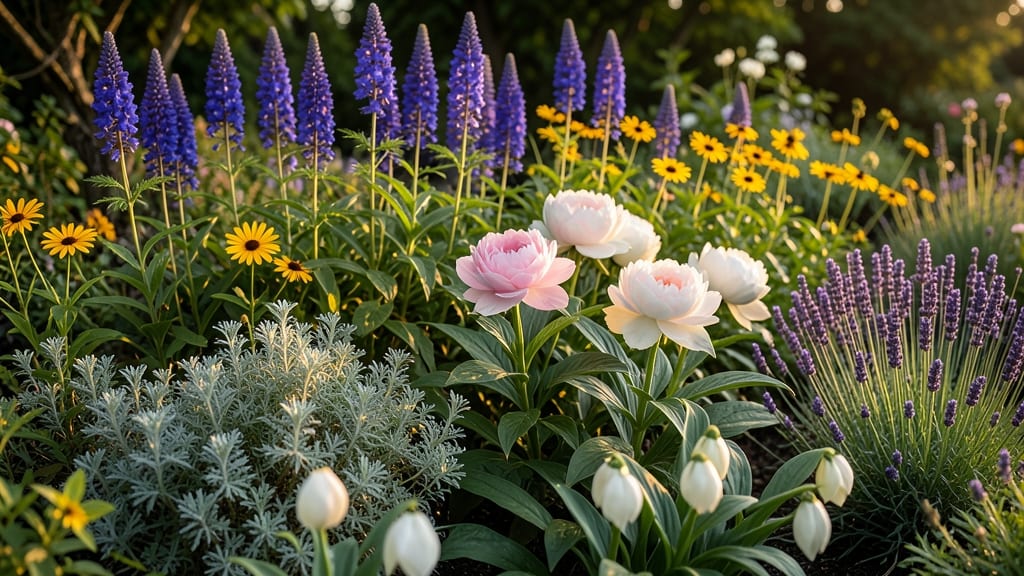
A cottage garden in Waupaca, WI thrives with hardy perennials like peonies, lavender, and coneflowers, paired with cold-resistant annuals such as pansies and snapdragons. Prioritize native plants like black-eyed Susans and milkweed for resilience in Wisconsin’s Zone 4 climate, and focus on layered planting with climbing roses and ornamental grasses for texture and seasonal interest.
A Waupaca cottage garden succeeds by choosing plants that handle Wisconsin's Zone 4 winters and brief growing seasons. 🌸 Native species like milkweed and black-eyed Susans not only survive harsh conditions but also attract pollinators, creating a self-sustaining ecosystem.
The layered approach—mixing tall grasses with low-growing perennials—creates visual depth while protecting plants from wind and frost. I've found that adding a thick layer of mulch in late fall preserves soil warmth and reduces winter dieback, which is especially critical in Waupaca's rocky terrain.
The key to maintaining this garden style lies in understanding Waupaca's unique climate: short summers and long winters demand plants that bloom early and late in the season. For example, peonies start flowering in May, while coneflowers continue into October.
This extended bloom period ensures your garden stays vibrant even during Wisconsin's cooler months. Additionally, the region's acidic loam soil benefits from amendments like composted leaves or well-rotted manure to improve drainage and fertility.
💡 In This Article
- Best Cold-Hardy Cottage Garden Plants for Waupaca’s Climate
- Seasonal Cottage Garden Maintenance in Northern Wisconsin
Best cold-hardy cottage garden plants for Waupaca’s climate
Waupaca's Zone 4 climate demands plants that can withstand -20°F to -30°F winters while still thriving in the region's 50-60 inches of annual precipitation.
The key is selecting species with deep root systems that insulate against frost heave, like peony (Paeonia lactiflora), which can survive down to -40°F when properly mulched.
These hardy perennials store energy in their roots during winter, then burst into bloom as soon as soil temperatures reach 50°F in spring. 🌿 Lavender (Lavandula angustifolia) is another excellent choice—its silvery foliage provides winter interest while its aromatic qualities naturally deter pests like Japanese beetles, a common nuisance in Wisconsin gardens.
The secret to their success lies in their adaptation to Wisconsin's acidic loam soil, which typically has a pH between 5.0 and 6.5. Most native Wisconsin plants, including black-eyed Susans (Rudbeckia hirta) and milkweed (Asclepias syriaca), thrive in these conditions without needing soil amendments.
These plants also exhibit drought tolerance once established, making them ideal for Waupaca's unpredictable rainfall patterns. For example, milkweed's deep taproot can access water from 6 feet underground, while black-eyed Susans have fuzzy leaves that reduce water loss through transpiration.
Layering plants by height creates both visual interest and functional benefits in Waupaca's windy conditions.
Start with low-growing perennials like creeping thyme (2-4 inches tall) at the front, then add mid-height plants such as coneflowers (2-3 feet) in the middle, and top with tall ornamental grasses like Miscanthus (5-7 feet) at the back.
This arrangement breaks up wind currents, reducing damage to delicate blooms. The grasses also provide winter structure when other plants are dormant, adding texture to the landscape even in January and February.
One often-overlooked factor is the blooming cycle alignment that creates year-round color. Early spring bloomers like hepatica (Hepatica nobilis) begin flowering in April when soil temperatures reach 45°F, while late-season performers like Russian sage (Perovskia atriplicifolia) continue blooming until October.
This staggered approach ensures your garden never appears bare, even during Wisconsin's brief summer transition periods. The fragrance from plants like lilacs (Syringa vulgaris) also enhances the sensory experience, with their blooms releasing benzaldehyde compounds that create a sweet, almond-like scent.
For those working with Waupaca's rocky terrain, consider incorporating ground covers like ajuga (Ajuga reptans), which spreads quickly to suppress weeds and retain soil moisture. Its purple foliage provides year-round color, while its spring blooms attract early pollinators.
When planting, amend the soil with 2-3 inches of compost to improve water retention and fertility, particularly in the top 6 inches of soil where most plant roots grow. This preparation helps plants establish quickly, giving them the strength to survive Waupaca's 150+ frost-free days per year.
Native plants play a crucial ecological role by supporting Wisconsin's 160+ species of native bees and 100+ butterfly species. For instance, milkweed is the sole host plant for monarch butterflies, while coneflowers attract hummingbirds with their high nectar content.
This biodiversity creates a self-sustaining garden ecosystem that requires less intervention from gardeners. The combination of native and introduced hardy species creates a resilient landscape that can handle Waupaca's temperature swings from -30°F to 90°F within a single year.
When selecting plants, pay attention to their hardiness ratings—look for Zone 3 or 4 labels to ensure they'll survive Waupaca's winters. For example, the 'Sarah Bernhardt' peony is rated for Zone 3, making it an excellent choice for this region.
These hardy varieties often have larger blooms and more robust growth habits compared to their southern counterparts. By carefully selecting plants that match Waupaca's climate characteristics, you'll create a cottage garden that's not only beautiful but also low-maintenance and ecologically beneficial. 🌼