
Featured
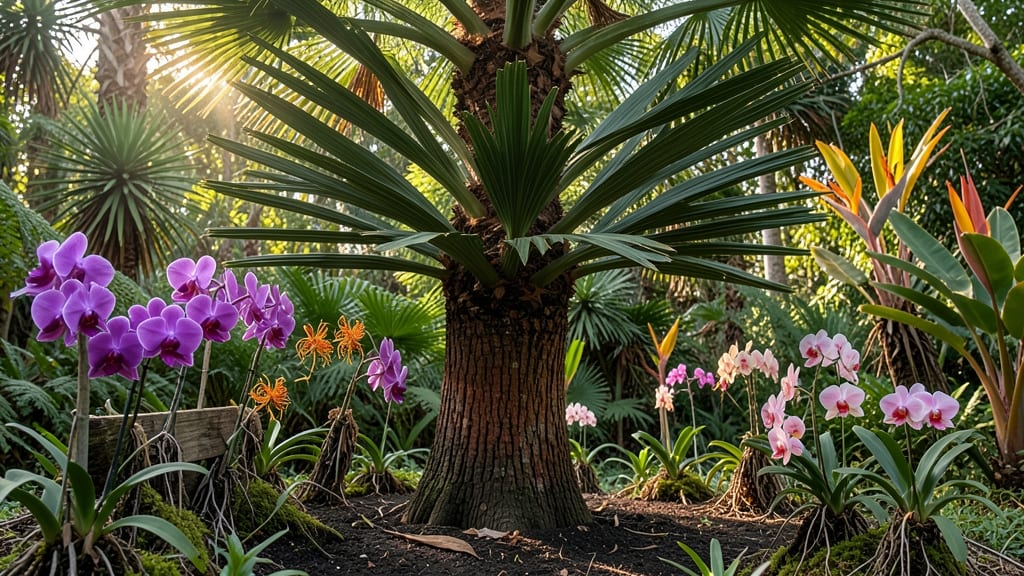
The Curitiba Botanical Garden showcases breathtaking trails, rare orchids, and stunning seasonal displays like the legendary Cattleya blooms, seamlessly merging Brazil's native plants with exotic global species in a thoughtfully designed space perfect for exploration and relaxation.
The Curitiba Botanical Garden isn't just a park—it's a living museum of biodiversity, where over 4,500 plant varieties thrive in carefully maintained ecosystems. 🌿 What makes it special is the harmony between Brazil's native flora, like the towering Araucaria trees, and rare imports such as carnivorous plants and exotic orchids.
The garden's strategic layout guides visitors through themed sections, from the serene Japanese Garden to the lush Fern House, ensuring every path reveals something new. Whether you're a plant enthusiast or simply seeking a peaceful escape, this garden offers both educational value and natural beauty.
Beyond its stunning visuals, the garden plays a crucial role in conservation, housing endangered species and promoting sustainable horticulture. The seasonal blooms—like the vibrant Poinsettias in autumn or delicate Iris in spring—create ever-changing canvases that draw visitors back year after year.
Pro tip: Early mornings or weekdays are ideal for avoiding crowds while still enjoying the full spectacle.
💡 In This Article
- Botanical Wonders: Curitiba’s Native and Exotic Plant Collections
- Best Times to Visit for Seasonal Blooms and Hidden Paths
Botanical wonders: Curitiba’s native and exotic plant collections
The Curitiba Botanical Garden thrives as a biodiversity hotspot thanks to its precise climate control and nutrient-rich soil composition. The subtropical climate of Curitiba, with average temperatures between 15-25°C (59-77°F) year-round, creates ideal conditions for both native and exotic species.
The garden's soil, a carefully balanced mix of organic matter and local minerals, supports over 4,500 plant varieties, including rare bromeliads and the iconic Araucaria angustifolia, Brazil's national tree.
What makes this collection extraordinary is the delicate balance between native Brazilian flora and exotic imports. The garden's conservation efforts focus on endangered species like the Cattleya labiata orchid, whose delicate pink blooms symbolize Brazil's botanical heritage.
Meanwhile, the Venus flytrap and other carnivorous plants thrive in the specialized greenhouse environments, demonstrating the garden's ability to replicate diverse ecosystems. 🌺 The Japanese Garden section, for instance, features meticulously pruned bonsai trees and koi ponds, showcasing how different climates can coexist harmoniously.
Visitors often marvel at how the garden's layout mirrors natural ecosystems. The Fern House, for example, mimics a tropical rainforest with high humidity levels maintained at 70-80% and dappled light filtering through artificial foliage.
This controlled environment allows rare ferns and mosses to flourish, creating a living laboratory where plant enthusiasts can observe biodiversity in action. The garden's success lies in its ability to educate while preserving these delicate ecosystems.
One fascinating aspect is the garden's seasonal adaptations. During Curitiba's dry winter months, specialized irrigation systems ensure native bromeliads retain their vibrant colors, while imported species like Poinsettias receive extended daylight exposure to trigger their iconic red blooms.
The garden's horticulturists monitor pH levels and nutrient concentrations for each section, creating microclimates that might surprise even seasoned botanists. 🌿
The conservation aspect is equally impressive. The garden's seed bank preserves genetic material from endangered species, while its research programs study plant interactions in controlled environments. For instance, the orchid propagation lab maintains a 95% success rate in cultivating rare hybrids, ensuring these plants don't disappear from Brazil's natural landscapes.
This combination of education and preservation makes the garden more than just a beautiful space—it's an active participant in global conservation efforts.
What most visitors don't realize is how the garden's layout itself contributes to plant health. The winding trails aren't just for aesthetic appeal—they're designed to create natural wind patterns that improve air circulation, reducing humidity-related diseases in delicate plants.
The strategic placement of water features also helps regulate temperatures across different sections, creating microclimates that might surprise even seasoned botanists. 🌳