
Plants
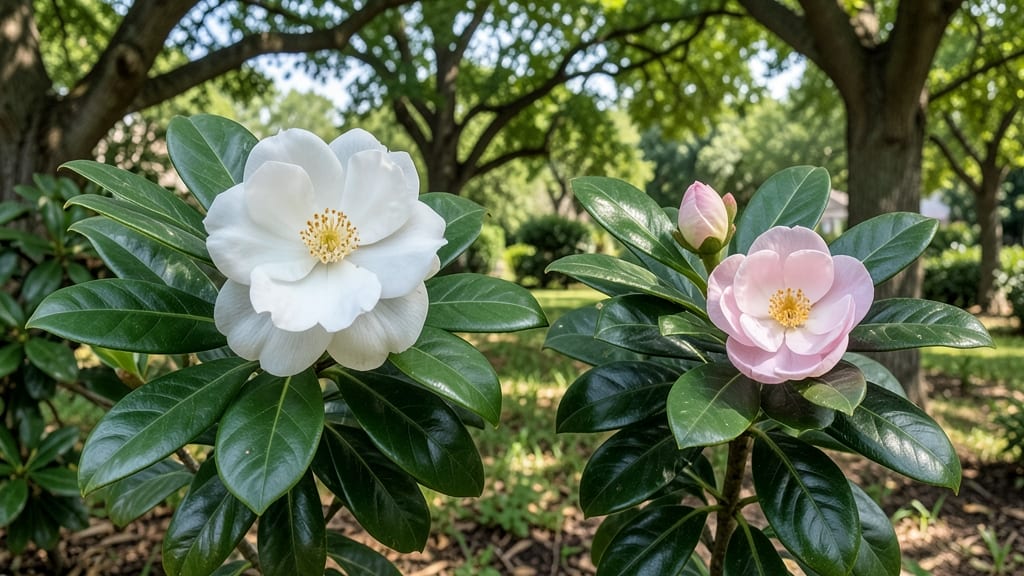
Yes, gardenias do come in different colors beyond white, though the classic white remains the most common. Rare varieties showcase soft yellows, creamy ivory, blush pinks, and even deep burgundy hues, with petal patterns ranging from solid to striped or speckled.
While white gardenias dominate the market, nature's palette actually includes some stunning variations. 🌸 The soft yellows in varieties like 'Kleio' come from carotenoid pigments, while the deeper burgundy tones in 'Fortuniana' result from anthocyanins—both influenced by soil pH and sunlight exposure.
These rare colors often come with equally intense fragrances, making them prized collector's items for gardeners.
What's fascinating is how these color variations developed—most originated from natural genetic mutations in tropical climates, then were selectively bred for specific hues.
The blush pinks, for example, typically appear in hybrid varieties that combine gardenia with jasmine genetics, creating a softer, more delicate bloom. 🌺 For those wanting to grow these rarities, remember they often require more precise care than white varieties, particularly regarding humidity and acidity levels in the soil.
💡 In This Article
- How Gardenia Pigmentation Works: Genetics Behind Rare Colors
- Best Gardenia Varieties for Unique Colors and Fragrance
How gardenia pigmentation works: genetics behind rare colors
Gardenias produce their signature hues through two primary pigment types: carotenoids for yellows and anthocyanins for reds/pinks. White gardenias lack these pigments entirely, relying instead on light reflection from cell structures.
The soft yellows in varieties like 'Veitchii' come from carotenoids (the same pigments found in bananas), while deeper burgundy tones in 'Fortuniana' stem from anthocyanins—water-soluble compounds that change color with pH levels. 🌸
The color intensity varies by soil pH—acidic conditions (pH 5.5-6.5) enhance anthocyanin production, creating richer reds, while alkaline soils mute these pigments. Sunlight exposure also matters: gardenias grown in partial shade develop more vibrant colors than those in full sun, which can bleach pigments.
Genetic mutations are the primary driver of rare colors, with most variations appearing spontaneously in tropical climates where gardenias thrive.
What's surprising is how pigment stability differs across varieties. White gardenias maintain their color year-round, while colored varieties often fade in direct sunlight or when exposed to temperature fluctuations below 65°F.
The blush pinks found in hybrid varieties typically result from cross-breeding with jasmine plants, which introduces a lighter pigmentation pathway. This genetic mixing creates the delicate speckled patterns seen in some rare cultivars.
Environmental factors play a crucial role too. Gardenias grown in high humidity (70%+) develop more saturated colors, while dry conditions can lead to paler blooms. The nitrogen content in soil also affects pigmentation—too much nitrogen produces lush foliage but duller flowers.
For gardeners aiming to cultivate rare colors, maintaining precise growing conditions is essential to preserve the vibrancy of these genetically modified varieties.
Here's what most people don't realize: the fragrance intensity often correlates with pigment concentration. Darker-colored gardenias typically produce more volatile oils, resulting in stronger scents. For example, the deep burgundy 'Fortuniana' has a fragrance described as "spicy-sweet," while pale yellow varieties like 'Veitchii' offer a more citrusy aroma.
This pigment-fragrance connection makes rare gardenias not just visually stunning but also olfactory treasures.