
Light Requirements
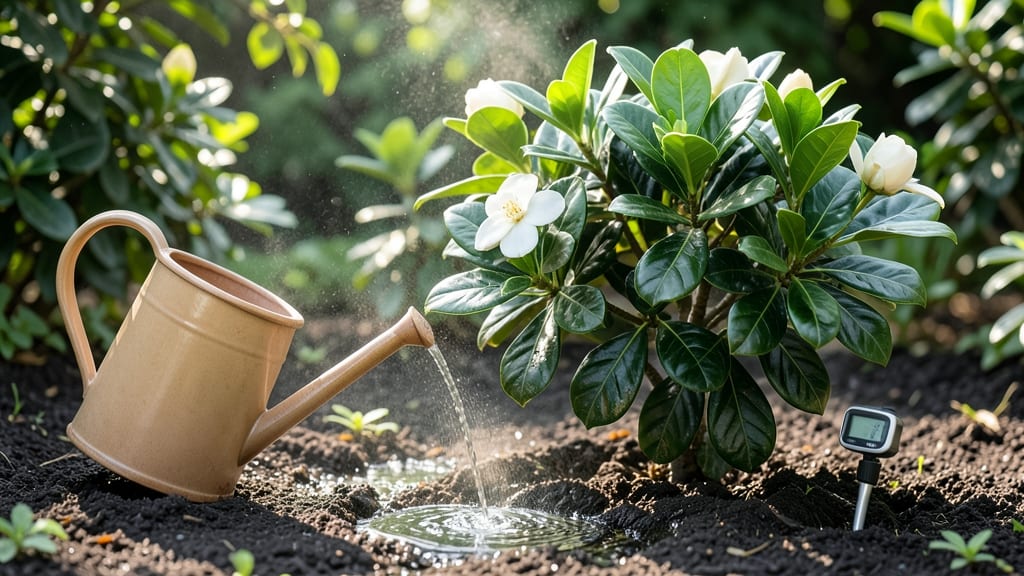
Do gardenias need a lot of water? The answer is nuanced—consistent moisture is key, but their watering needs are often misunderstood, leading to wilted blooms or sad, yellowing leaves.
Picture this: your 🌸 gardenias are wilting despite daily watering, or worse, their leaves turn yellow and drop from soggy roots. The key isn’t drowning them or letting them dry out—it’s finding that sweet spot where the soil stays moist but never waterlogged.
In this guide, I’ll break down exactly how often to water your gardenias, how to check soil moisture the right way, and the three signs you’re over- or underwatering. You’ll also learn how mulch and seasonal adjustments can save you from common mistakes that kill these finicky shrubs.
By the end, you’ll water your gardenias with confidence—keeping them lush, blooming, and root-rot free all season long.
How much water gardenias actually need (and when to adjust)
Gardenias thrive with consistent moisture but despise soggy roots—this delicate balance is what separates fragrant blooms from wilted disappointment. Unlike drought-tolerant succulents, gardenias need regular watering to maintain their signature glossy leaves and heavy fragrance.
The key lies in understanding their seasonal needs, soil type, and how to test moisture without guessing.
Most gardeners assume these tropical beauties require constant soaking, but overwatering is the #1 killer of gardenias. Instead, aim for 1-2 inches of soil moisture at all times—like a well-wrung sponge.
This means watering when the top 1-2 inches feel dry to the touch, not when the surface looks moist. Let’s break down exactly how to achieve this perfect balance.
| Season | Watering Frequency | Soil Moisture Goal | Signs of Stress |
|---|---|---|---|
| Spring | Every 2-3 days | Top 1 inch dry | Yellow leaves = overwatering; drooping = underwatering |
| Summer | Daily (deep watering) | Top 1-2 inches dry | Brown leaf edges = too much salt; wilted blooms = thirsty |
| Fall | Every 3-5 days | Top 2 inches dry | Leaf drop = overwatering; slow growth = underwatering |
| Winter | Bi-weekly (reduce 50%) | Top 3 inches dry | Mushy stems = rot; dry soil cracks = too little |
| Potted Gardenias | Every 1-2 days | Top ½ inch dry | Root rot smell = overwatering; shriveled leaves = thirsty |
💧 Pro Tip: Use a moisture meter or stick your finger 1-2 inches deep—if dry, water deeply until it drains from the bottom.
Your gardenia’s soil type dictates how often you’ll need to water. Plants in sandy soil dry out faster and may need daily checks during summer, while clay-heavy soil holds moisture longer but risks suffocating roots.
To test, dig a small hole near the base—if the soil feels like a wrung-out sponge, it’s time to water. Acidic, well-draining soil (pH 5.0-6.5) is ideal and helps prevent root rot.
Climate plays a huge role too. In humid zones like Florida or Louisiana, gardenias may only need watering every 3-4 days because the air moisture compensates. But in arid regions like Arizona or Nevada, daily watering in summer is often necessary.
Pay attention to your local microclimate—a north-facing gardenia might stay drier than one basking in afternoon sun.
Adjust your watering schedule based on growth stages. Young gardenias need more frequent watering to establish roots, while mature shrubs can handle slightly drier soil. During blooming season (spring/summer), increase water slightly to support heavy flower production.
Always water at the base of the plant in the morning to reduce evaporation and fungal risks.
Watch for these red flags: Yellowing leaves often mean overwatering, while crispy brown edges signal underwatering or high salt buildup. Mushy stems are a root rot emergency—cut back affected areas immediately and reduce watering.
If your gardenia’s blooms fall off prematurely, it’s usually thirsty. The solution? A deep watering followed by a 2-inch layer of mulch to retain moisture.
Mulching is your secret weapon for consistent moisture. Use 2-3 inches of organic mulch (like pine bark or shredded leaves) around the base but keep it 6 inches away from the trunk to prevent rot.
This creates a natural water reservoir while suppressing weeds. In containers, use well-draining pots with drainage holes and water when the top ½ inch feels dry—potted gardenias dry out 3x faster than in-ground plants.
Never let your gardenia sit in standing water—this is a fast track to root rot. If your pot lacks drainage, add a layer of perlite or orchid bark to the soil mix. For in-ground plants, consider a soil amendment like compost or peat moss to improve drainage.
Remember: 10 minutes of deep watering is better than daily light sprinkles, which only wet the surface and encourage shallow roots.
Seasonal adjustments are critical. In winter, reduce watering by 50% as growth slows. If temperatures drop below 40°F, water only enough to prevent the soil from freezing. Spring is when gardenias wake up—gradually increase watering as new growth appears. Never skip the soil check
5 Common watering mistakes that kill gardenias (and how to fix them)
Gardenias thrive on consistent moisture, but even small watering errors can turn your fragrant shrubs into a sad, struggling mess. I’ve seen gardeners drown their plants one day and then panic when they wilt the next—both are classic mistakes that lead to yellow leaves or mushy stems.
The key is balance: keeping roots hydrated without suffocating them in soggy soil.
Let’s tackle the top 5 watering mistakes that kill gardenias, plus the simple fixes to revive your plants. You’ll learn how to spot overwatering vs. underwatering, why mulch is your secret weapon, and how to adjust for heavy clay soil or hot summer days.
Avoid these pitfalls, and your gardenias will reward you with glossy leaves and heavy blooms all season.
⚠️ Myth Buster: Do Gardenias Need a Lot of Water?
No! Gardenias hate soggy roots—they need consistent moisture, not constant drowning. The #1 killer is overwatering, which causes root rot and yellow leaves. Aim for 1-2 inches of soil moisture at all times, adjusting for your climate. Test with your finger: if the top 2 inches are dry, it’s time to water.
Mistake #1: Watering on a schedule instead of checking soil moisture. Many gardeners assume gardenias need daily watering, but this leads to waterlogged roots. Instead, stick your finger 2 inches deep—if it feels dry, water deeply until it drains from the bottom.
For potted gardenias, check daily in summer, but never let them sit in saucers of water.
Mistake #2: Ignoring soil drainage. Heavy clay soil or compacted garden beds trap moisture, suffocating roots. Amend your soil with organic matter like compost or perlite to improve airflow. If your gardenias have mushy stems or blackened roots, they’re drowning—time to repot or add drainage layers.
Mistake #3: Watering at night. Wet foliage overnight invites fungal diseases like powdery mildew, which turns leaves brown and crispy. Always water in the early morning so leaves dry quickly. Pro tip: Use a drip irrigation system or water at the base to avoid wetting leaves.
Mistake #4: Skipping the "dry spell" trick. Gardenias need a brief dry period between waterings to strengthen roots. Let the top 1-2 inches of soil dry out before watering again—this prevents root rot while keeping plants hydrated.
In summer, this might mean watering every 2-3 days; in winter, stretch it to once a week.
Mistake #5: Neglecting mulch. A 2-3 inch layer of organic mulch (like pine bark or shredded leaves) locks in moisture, regulates soil temperature, and deters weeds. Without mulch, soil dries out faster, forcing you to water more often—which often leads to overwatering. Replenish mulch annually for best results.