
Vegetables
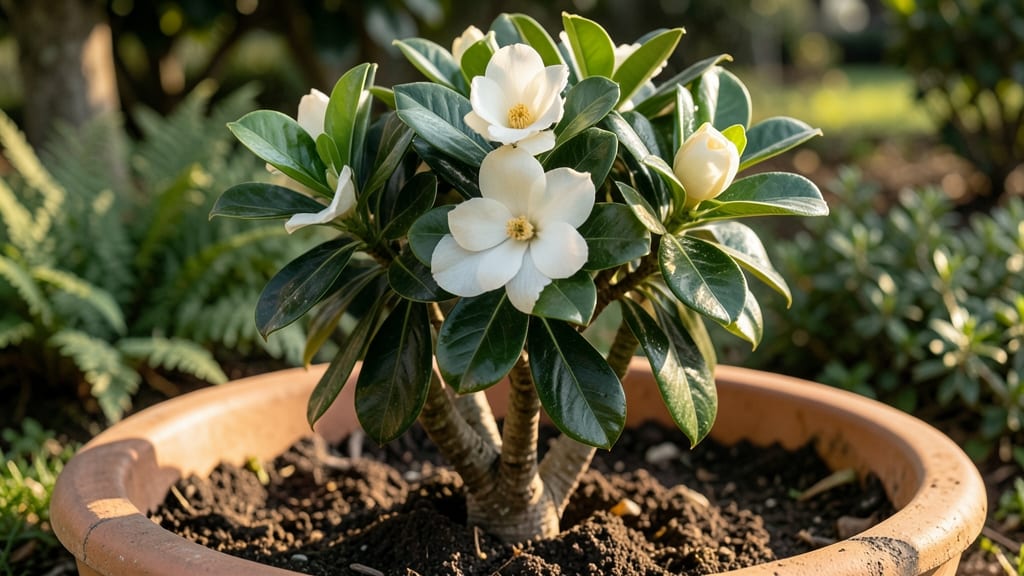
Gardenias don’t stay green all year naturally—they’re semi-evergreen plants that may shed leaves during winter dormancy or when stressed by cold, though some varieties keep foliage in mild climates with proper winter care. Their year-round appearance depends on your growing zone and protective measures.
Gardenias thrive in warm climates but react to temperature drops like most tropical plants. 🌿 When nights dip below 40°F, their leaves yellow and drop to conserve energy—a natural survival mechanism. Hardy varieties like G. jasminoides handle cooler zones better than tropical types, but even they need protection.
The key to keeping them lush lies in mimicking their native humidity and sheltering roots from freezing, whether through mulch, containers, or indoor overwintering.
What’s interesting is how location affects their behavior. In USDA Zones 9-11, gardenias often retain leaves year-round with minimal care, while gardeners in Zones 7-8 must take proactive steps like wrapping pots or moving plants to sheltered spots.
Even a 10-foot-tall gardenia can survive winter with the right insulation—it’s all about understanding their limits and adapting your approach.
💡 In This Article
- Why Gardenias Lose Leaves in Winter
- Protecting Gardenias for Year-Round Green Foliage
Why gardenias lose leaves in winter
Gardenias are tropical plants at heart, evolved to thrive in warm, humid climates where temperatures rarely drop below 50°F. When exposed to cold, their leaves trigger a natural survival response called abscission—a process where specialized cells at the leaf base (abscission zones) separate the leaf from the plant.
This happens when temperatures fall below 40°F for extended periods, signaling the plant to conserve energy by shedding foliage. 🌬️ The cooler the climate, the more aggressive this response becomes, especially in hardy varieties like G. jasminoides.
There are two key factors at play: chilling injury and dormancy triggers. Chilling injury occurs when cells freeze, causing leaf discoloration and drop within days.
Dormancy, however, is a slower process where the plant prepares for winter by reducing metabolic activity—leaves yellow gradually over weeks as nutrients are redirected to roots.
Tropical gardenias, like G. augusta, are particularly sensitive and may lose 80-90% of their leaves in freezing conditions, while hardier types might retain 30-50% with proper care.
The plant’s growth cycle also plays a role. Gardenias naturally slow growth in fall, a process called senescence, which accelerates leaf drop. In their native Southeast Asia, this coincides with the dry season, but in temperate climates, the timing misaligns, causing stress.
For example, a gardenia in Zone 8 might drop leaves in November when temps hit 35°F, while one in Zone 10 could hold onto foliage until January with 50°F nights. 🌡️
Another critical factor is photoperiodism—the plant’s response to daylight changes. Shorter winter days reduce photosynthesis, forcing gardenias to prioritize root health over leaf maintenance. This is why gardenias in containers often lose leaves faster: their root systems are more exposed to temperature swings.
Even a 5°F drop can trigger leaf drop in potted plants, compared to 10°F for in-ground specimens with deeper soil insulation.
Understanding these mechanisms helps explain why some gardenias appear "evergreen" while others don’t. Varieties like G. radicans (Cape Jasmine) are more cold-tolerant due to thicker leaves and deeper root systems, but even they won’t stay green without protection.
The key difference lies in how quickly they recover: hardy types may regrow leaves by spring, while tropical varieties often require 6-8 weeks of warm weather to rebound. 🌱
What most gardeners overlook is how wind exposure compounds the problem. Cold winds dry out leaves faster, accelerating abscission. A gardenia in a sheltered microclimate (like near a south-facing wall) might retain 20% more foliage than one exposed to winter winds.
This is why pruning back dead leaves in late winter isn’t just cosmetic—it helps the plant focus energy on new growth rather than maintaining damaged tissue.