
Companion Plants
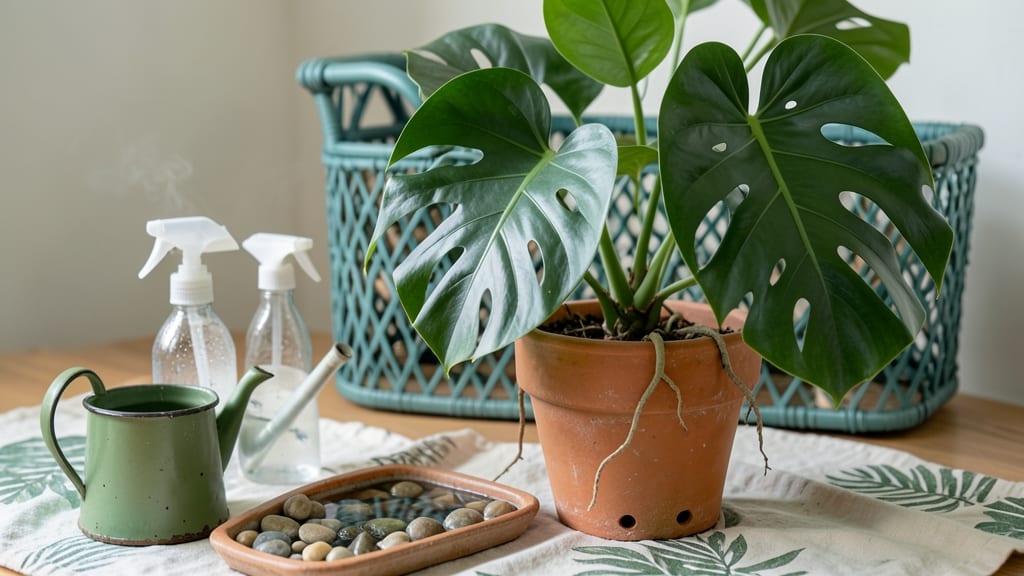
Optimal humidity levels for tropical plants by species type
Tropical plants thrive when humidity mimics their native rainforest environments, typically ranging from 60% to 90%. Without proper humidity, you’ll notice brown leaf tips, curled fronds, or stunted growth—common signs your plants are struggling.
The key is understanding each species’ needs and replicating them with simple, effective solutions like pebble trays, humidifiers, or grouping plants together to create microclimates.
Ferns, orchids, and bromeliads are the most sensitive to low humidity, often requiring 70%+ moisture in the air. Palms and larger tropical species can tolerate slightly drier conditions but still need 60%+ humidity to prevent stress.
Indoor environments often drop below these levels, especially in winter when heating systems dry out the air, making humidity adjustments critical for survival.
Here’s a breakdown of ideal humidity ranges and practical solutions to keep your tropical plants lush and healthy year-round.
| Plant Type | Ideal Humidity Range | Signs of Low Humidity | Best Solutions |
|---|---|---|---|
| Ferns | 75%–90% | Brown crispy edges, curled fronds | Mist daily, use pebble trays, group plants |
| Orchids | 60%–80% | Dropped buds, wrinkled leaves | Humidifier near plants, avoid cold drafts |
| Palms | 60%–75% | Yellowing fronds, slow growth | Group with other tropicals, use indoor fountain |
| Bromeliads | 70%–85% | Dry, papery leaves, no new growth | Fill central cup with water, mist leaves |
For ferns, which love high humidity, I recommend placing a pebble tray filled with water under their pots. The evaporation creates a humid microclimate, and you’ll see fronds unfurl within days.
If your home’s air feels dry, a small humidifier near your plant collection can work wonders—just aim for 75% humidity for ferns and bromeliads.
Orchids are a bit more forgiving but still need consistent moisture. I’ve found that placing them near a running shower or indoor water feature boosts humidity naturally. Avoid placing orchids near vents or air conditioners, as the dry air can cause buds to drop before blooming.
A quick fix? Wrap the pot in sphagnum moss to retain moisture and humidity.
Palms, like parlor palms or areca palms, tolerate slightly lower humidity but still thrive with 60%+ moisture. Group them with other tropical plants to create a natural humidifier effect.
If your home is particularly dry, try placing a tray of water with pebbles near the group—just ensure the pebbles aren’t submerged to prevent root rot.
Bromeliads are unique because they absorb moisture through their central cup. Fill this cup with water to increase humidity around the plant, and mist the leaves lightly every few days.
These plants also benefit from being placed in a terrarium or glass cloche, which traps moisture and mimics their tropical habitat.
If you notice brown tips or curled leaves, it’s a clear sign your plants need more humidity. Increase misting frequency, move them to a more sheltered spot, or invest in a small humidifier.
For larger collections, a whole-room humidifier can be a game-changer, especially in winter when indoor air is driest.
Strategic plant grouping is one of the easiest ways to boost humidity without extra tools. Place moisture-loving plants like calatheas, philodendrons, and ferns together—they’ll create a mini rainforest vibe. Just avoid overcrowding, as poor airflow can lead to fungal issues.
For indoor gardeners, a DIY humidifier is a budget-friendly solution. Fill a shallow tray with water and pebbles, then place your plants on top. The evaporating water increases humidity around the plants, and the pebbles prevent the pot from sitting in water.
This method works especially well for small collections or single sensitive plants.
Remember, tropical plants communicate their needs through their leaves. Drooping, yellowing, or crispy edges are all red flags—adjust humidity and watch them bounce back to vibrant health. With the right conditions, your tropical plants will reward you with lush growth and stunning foliage all year round. 🌿💧
Light requirements for tropical plants: direct sun vs. indirect brightness
Getting the light balance right is everything when growing tropical plants indoors or outdoors. Unlike desert cacti, most tropical species thrive in bright, indirect light, but too much direct sun can scorch leaves while too little causes leggy, weak growth.
I’ve learned the hard way—my first monstera deliciosa nearly died from too much harsh afternoon sun! Let’s break down the key differences and how to mimic their natural habitat.
Tropical plants originate from understory environments where sunlight filters through tree canopies, creating dappled light conditions. This means they need 6-8 hours of bright light daily, but rarely direct, intense rays.
The challenge is replicating this indoors where windows often provide either too little light or too much glare. South-facing windows, for example, can be brutal without protection, while north-facing windows might leave your plants starving for light.
| Plant Type | Light Needs | Indoor Placement | Signs of Stress |
|---|---|---|---|
| Low-Light Lovers (Calathea, Pothos, ZZ Plant) | Bright indirect (2000-5000 lux) | 2-5 ft from east/west window; under fluorescent grow lights (12 hrs/day) | Yellow leaves, slow growth, leggy stems |
| Medium-Light (Snake Plant, Philodendron, Peace Lily) | Bright indirect (5000-10000 lux) | 3-6 ft from east/west window; 1-2 ft from south window with sheer curtain | Brown leaf tips, crispy edges, drooping |
| High-Light Lovers (Monstera, Bird of Paradise, Hibiscus) | Direct sun with humidity (10000+ lux) or bright indirect | 1-2 ft from south window; under LED grow lights (14 hrs/day, 12-18 inches away) | White/yellow patches (scorch), curled leaves, leaf drop |
| Outdoor Tropicals (Palms, Banana Trees, Orchids) | Partial shade (morning sun, afternoon shade) | Under 30-50% shade cloth; east-facing patio | Bleached leaves, sunburn spots, stunted growth |
For indoor growers, LED or fluorescent grow lights are game-changers. I use a 15W LED panel (6500K color temperature) for my monstera and bird of paradise, placing it 12-18 inches above the plants for 12-14 hours daily.
The key is mimicking natural light cycles—tropical plants respond poorly to 24/7 artificial light. Rotate your plants weekly so all sides get even exposure, especially for vining varieties like pothos or philodendrons.
Outdoor tropicals need strategic positioning to avoid leaf scorch. In hot climates, provide afternoon shade using sheer curtains, lattice screens, or native trees. I’ve had great success with 30-50% shade cloth for my hibiscus bushes—it keeps them lush without blocking all light.
Mulch around the base to retain moisture, which helps plants recover faster from sun exposure. If you notice white or yellow patches on leaves, move the plant immediately to a shadier spot.
Pro tip: Test your light conditions with a simple DIY lux meter (use a smartphone app) to measure light levels. Aim for 5000-10000 lux for most tropicals, adjusting based on the plant type.
My calatheas thrive at 3000 lux near a north window, while my bird of paradise begs for the brightest spot I can offer—even if it means supplementing with grow lights in winter.
Remember, humidity matters just as much as light. A monstera in direct sun but low humidity will still suffer. Pair your light adjustments with a pebble tray or humidifier to recreate their natural environment.
With the right balance, your tropical plants will reward you with glossy leaves, vibrant blooms, and rapid growth—just like a mini jungle in your home! 🌿☀️🌴