
Tools
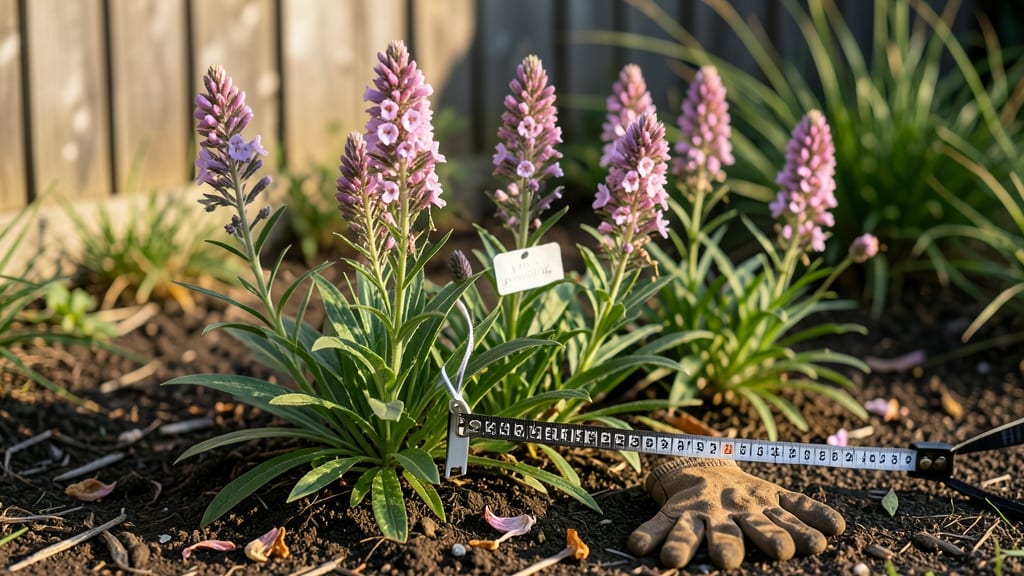
Garden phlox spreads naturally through both self-seeding and underground rhizomes, forming thick clusters over time. The exact spread rate varies by variety, soil quality, and how often you prune back the plants.
This spreading habit isn't just about wild growth—it's how garden phlox creates those lush, continuous blooms you love. 🌸 The rhizomes act like underground runners, while seeds scatter to populate new areas, especially in well-drained soils.
I've seen some varieties like 'David' spread aggressively in my garden, while others stay more contained. The key to managing it is regular pruning after flowering and dividing clumps every few years to keep them healthy and under control.
What's interesting is how this spreading works with your garden's ecosystem. The dense growth actually helps suppress weeds naturally, which is why many gardeners intentionally plant phlox in clusters.
However, if you're working with a smaller space, you'll want to monitor those rhizomes—they can creep outward surprisingly fast given the right conditions.
💡 In This Article
- How Garden Phlox Spreads: Rhizomes vs Self-Seeding
- Controlling Garden Phlox Spread: Pruning and Division Tips
How garden phlox spreads: rhizomes vs self-seeding
Garden phlox spreads primarily through two mechanisms: underground rhizomes and self-seeding. The rhizomes—thick, horizontal stems—act like nature's underground anchors, growing outward from the mother plant at a rate of about 6-12 inches per year under ideal conditions.
These rhizomes store nutrients and produce new shoots, creating dense clumps that can double in size every 2-3 years if left unchecked. The process is similar to how iris plants expand, but phlox rhizomes tend to be less aggressive unless in rich, moist soil.
Meanwhile, self-seeding occurs when mature flower heads release thousands of tiny seeds that scatter via wind or water. A single phlox plant can produce 500-1,000 seeds, and these seeds remain viable in the soil for up to 2 years.
Sunlight and moisture are critical accelerants—phlox thrives in full sun with well-drained soil, where both rhizomes and seeds proliferate most rapidly. In shadier conditions or poor soil, the spread slows dramatically, sometimes by 50% or more. 🌱 This dual-spreading method explains why phlox often forms natural drifts in meadow gardens.
The rhizomatous spread creates a carpet-like effect, while self-seeding ensures new plants appear in surrounding areas. For example, the variety 'David' spreads aggressively via rhizomes but produces fewer seeds, while 'Starfire' self-seeds prolifically but has slower rhizome growth.
This variation means your garden's phlox behavior depends entirely on which cultivars you choose and how you maintain them.
Environmental factors like temperature also play a role. Phlox rhizomes grow most actively during spring and early summer when soil temperatures reach 60-75°F. In cooler climates, growth pauses until warmer weather returns. This seasonal rhythm helps gardeners time their pruning and division efforts for maximum control.
The combination of these spreading methods is what makes phlox both a beloved garden staple and a plant that requires thoughtful management.
What's fascinating is how these spreading mechanisms work together. The rhizomes create the foundation for dense blooms, while the seeds ensure genetic diversity in new plants. This dual strategy is why phlox often outcompetes weeds naturally—its sheer volume of growth crowds out intruders.
However, this same trait can lead to overcrowding if not managed, which is where proper pruning and division come into play. 🌸
Consider this: a single phlox clump can reach 2-3 feet wide in just 3 years if unchecked. That's why many gardeners divide their phlox every 2-4 years to maintain vigor and control spread.
The key is understanding which mechanism dominates in your specific variety—some spread more via rhizomes, others via seeds—and adjusting your garden strategy accordingly.