
Size
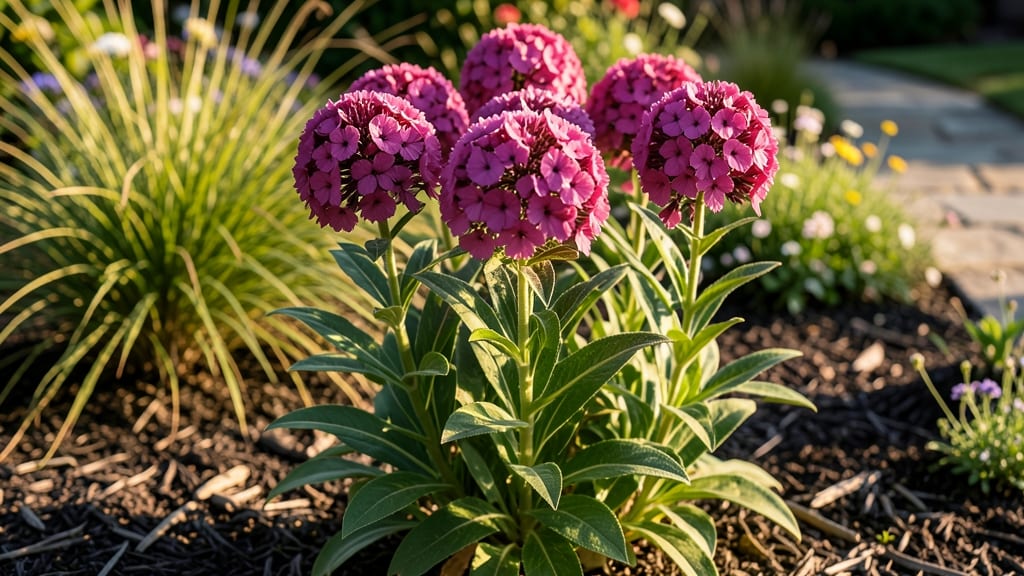
Garden phlox 🌸 can grow anywhere from 1 to 5 feet tall, depending on the variety you choose—so knowing the exact range is the key to planning your beds without overcrowding or underwhelming spaces.
Picture this: You’ve spent hours designing a flower border, only to realize your phlox will dwarf your other plants or flop over like a limp bouquet. The right variety makes all the difference, whether you’re aiming for a compact 2-foot hedge or a showstopping 4-foot backdrop.
Height isn’t just about the cultivar—sunlight, soil quality, and even pruning habits can push your phlox toward the taller end or keep it neatly contained. A dwarf variety like ‘Lipstick’ might stay under 2 feet, while ‘David’ can stretch to 5 feet if given the right conditions.
Below, I break down the height ranges by variety, how to use them in your garden layout, and the simple tricks to control growth—so you can mix phlox into your design with confidence, not guesswork.

Garden phlox height chart: dwarf vs tall varieties for every space
Choosing the right garden phlox variety depends entirely on your space and design goals. These clumping perennials offer stunning blooms but vary dramatically in height—from compact dwarf varieties perfect for containers to towering tall phlox that anchor borders.
Understanding these differences helps you create a visually balanced garden that thrives year after year.
Whether you're designing a front-yard border, a container garden, or a wildflower meadow, selecting the right height ensures your phlox complement—not compete with—other plants.
Below, I’ve broken down the most popular varieties by their mature heights, spreads, and ideal planting zones to help you make the perfect choice.
Dwarf varieties like 'David' and 'Lipstick' are ideal for small spaces, container gardening, or rock gardens where you need compact blooms without overwhelming other plants. Their 12–18 inch heights make them perfect for front borders or window boxes, where they add color without blocking views.
Medium-height phlox, such as 'Blue Paradise', strike a balance and work beautifully in mixed beds or as mid-height accents. These varieties typically reach 24–36 inches, making them versatile for back-of-border planting or pairing with shrubs and perennials of similar stature.
Tall phlox like 'White Delight' and 'Jeana' are powerhouses in the garden, often reaching 36–48 inches or taller. These varieties excel as backdrop plants, cut flowers, or in wildflower meadows where their height adds drama and structure.
I recommend staking these taller varieties to prevent flopping in windy conditions.
When planning your garden layout, consider not just the height but also the spread of each variety. For example, 'Jeana' can spread up to 36 inches, so give it plenty of room to avoid overcrowding other plants.
In contrast, 'David' stays neatly contained, making it ideal for small-space gardening.
Most garden phlox thrive in USDA Zones 3–9, but some varieties, like 'Lipstick', prefer milder climates (Zones 4–8). Always check the specific hardiness zone for your chosen variety to ensure it will return year after year.
I’ve included the ideal zones for each variety in the chart above to simplify your selection.
For container gardening, opt for dwarf or semi-dwarf varieties like 'David' or 'Blue Paradise'. Use a well-draining potting mix and ensure your container is at least 12 inches deep to accommodate their root systems.
In ground, these varieties still perform well but may need annual division every 3–4 years to prevent overcrowding.
Proper pruning also influences height and blooming. Cut back tall phlox by one-third after the first frost to encourage compact growth the following season. For dwarf varieties, a light trim after flowering keeps them neat
How to use phlox height in garden design for maximum impact
Phlox height isn't just about whether they'll peek over your fence—it's the foundation of your garden's vertical drama. Tall varieties like 'David' (4-5 ft) create stunning backdrops, while dwarf types like 'Lipstick' (1-2 ft) add delicate texture to borders.
The key lies in strategic placement that balances their mature heights with companion plants.
For mixed borders, I always start by grouping phlox by height zones. Place tall phlox (3-5 ft) at the back, medium varieties (2-3 ft) in the middle, and dwarf types (1-2 ft) at the front. This creates natural depth and prevents any single variety from overwhelming the space.
- 🌿 Back of Border: Tall phlox (4-5 ft) like 'Starfire' or 'White Delight' behind shrubs or evergreens
- 🌸 Middle Layer: Medium phlox (2-3 ft) like 'Blue Paradise' paired with catmint or lavender
- 🌱 Front Edge: Dwarf phlox (1-2 ft) like 'Lipstick' with ornamental grasses or ajuga
- 🪴 Containers: Semi-dwarf varieties (2-3 ft) in large pots with trailing plants like ferns
- 🌳 Tree Underplanting: Tall phlox (3-5 ft) under small trees where they won't compete for light
Spacing is just as critical as height placement. Give tall phlox 2-3 feet between plants to prevent overcrowding, while dwarf varieties only need 12-18 inches apart. This ensures good airflow, reducing powdery mildew risk while creating that lush, layered look.
Don't forget about container gardening—phlox thrives in pots when you choose the right proportions. A 18-inch diameter container works perfectly for semi-dwarf varieties, while 24-inch pots accommodate taller types. Just ensure containers have drainage holes and use a quality potting mix with compost.
For maximum impact, I recommend pairing phlox with plants that complement their height and bloom time. Try catmint or Russian sage behind tall phlox for vertical contrast, or salvia or yarrow at the front for vibrant color pops. This creates a dynamic garden that looks full from every angle.
Finally, remember that pruning affects height. For taller varieties, I cut back by one-third after flowering to maintain shape and encourage bushier growth next season. With dwarf types, minimal pruning keeps them compact and tidy—perfect for edging or small-space gardens.