
Landscaping
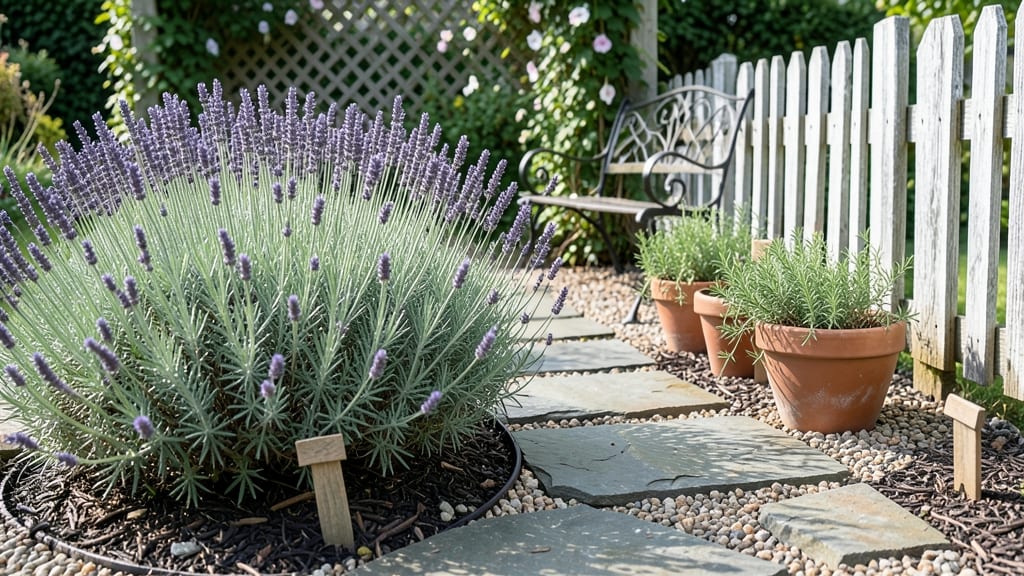
Creating English garden ideas for front yards means blending rustic charm with lush greenery through winding paths, mixed perennials, and cottage flowers like roses and lavender for timeless appeal. Layered shrubs and climbing vines add texture while keeping upkeep simple.
An English-style front garden thrives on its layered approach—think gravel pathways weaving through herbaceous borders filled with seasonal blooms like peonies and foxgloves. 🌸 The key is balancing evergreens (like boxwood) with deciduous plants to ensure year-round interest, while arbors draped with clematis or honeysuckle create focal points.
I’ve found that grouping plants by height—tall at the back, medium in the middle, and low-spreading at the front—creates that signature "wild but curated" look without overwhelming small spaces.
What sets these gardens apart is their textural variety: rough bark of dogwoods contrasts beautifully with the silvery foliage of lamb’s ear, while climbing roses soften fences. The paths themselves—often made of flagstone or compacted gravel—invite exploration while directing the eye through the garden’s layers.
For busy homeowners, I recommend sticking to native perennials and drought-tolerant shrubs like hydrangeas or abelia, which require less watering and still deliver that quintessential English charm.
💡 In This Article
- Key Elements of a Traditional English Front Garden
- Best Low-Maintenance Plants for English-Style Front Yards
Key elements of a traditional English front garden
At the heart of an English front garden lies the winding gravel path, typically made from crushed limestone or granite, which creates a natural, organic flow through the space. These paths aren't just functional—they're designed to meander, inviting exploration and adding a sense of mystery.
The gravel's loose texture allows rainwater to drain easily, preventing muddy messes, while its neutral color lets the surrounding plants take center stage.
In traditional designs, paths often curve gently to follow the natural contours of the yard, creating a rhythmic visual pattern that guides the eye through the garden's layers.
The herbaceous border is another cornerstone, a mixed planting of perennials that bloom sequentially from spring through fall. Think peony (with its lush, fragrant blooms in late spring), foxglove (tall spikes of bell-shaped flowers in early summer), and sedum (hardy succulents for late-season color).
These borders typically reach 3-4 feet tall at maturity, providing a lush backdrop that softens the transition between lawn and garden.
The magic happens in the layered planting technique: tall plants at the back, medium-height in the middle, and low-growing ground covers at the front, creating depth and visual interest year-round.
Arbors and trellises serve as both structural elements and vertical accents, often supporting climbing roses, clematis, or honeysuckle. These structures create focal points that draw the eye upward, adding dimension to what might otherwise be a flat landscape. A well-placed arbor over a path can frame a view or mark the entrance to a seating area, while a simple trellis against a fence adds texture and movement. For low-maintenance options, I recommend clematis varieties like 'Jackmanii' (which thrives in partial shade) or climbing roses like 'New Dawn' (disease-resistant and repeat-blooming). The key is choosing plants that naturally cling or twine, reducing the need for frequent tying.
Evergreen shrubs like boxwood or laurel provide the structural backbone that keeps the garden looking intentional even in winter. These plants maintain their foliage year-round, offering a consistent green canvas that anchors seasonal color changes.
Their compact growth habits make them perfect for edging paths or creating formal shapes, while their dark green hues contrast beautifully with lighter-colored perennials. In colder climates, consider inkberry holly or dwarf yew, both of which handle temperatures down to -20°F while requiring minimal pruning.
The final piece is seasonal interest, achieved through thoughtful plant combinations. For spring, daffodils and tulips provide early color, while summer brings in lavender and catmint for fragrance and texture.
Autumn's fiery hues come from tobacco plant and Japanese anemone, and winter's structure is maintained by ornamental grasses like feather reed grass, which sway gently in the breeze. This rotating palette ensures your front garden remains vibrant throughout the year without requiring constant replanting.
What most people overlook is how these elements work together to create visual rhythm. The repetition of shapes—whether through rounded shrubs or curved paths—creates a sense of harmony, while contrasting textures (like the rough bark of dogwood next to the velvety leaves of lamium) add intrigue.
The result is a garden that feels both timeless and effortlessly put-together, where every component serves a purpose beyond mere decoration. 🌿