
Vegetables
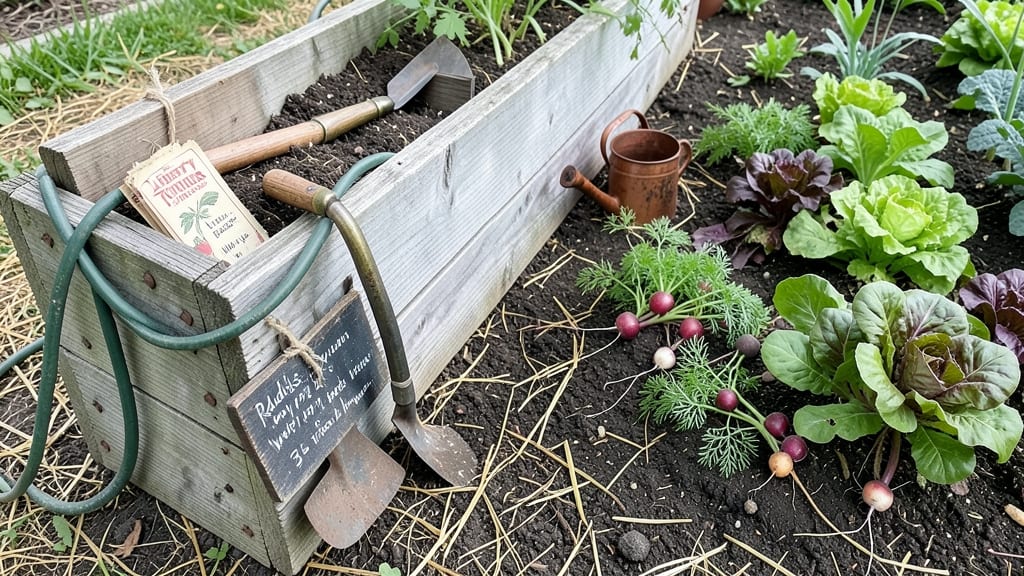
Fenway Victory Gardens in Boston transform unused urban spaces into thriving community vegetable gardens where residents can cultivate seasonal produce like leafy greens, tomatoes, and fresh herbs using shared resources and structured plots.
This urban farming initiative revives the WWII-era Victory Garden movement by turning vacant lots into green spaces that foster both food security and neighborhood connections. 🌱 The program provides everything from soil preparation to gardening tools, making it accessible for beginners while supporting experienced growers.
What sets Fenway Victory Gardens apart is its focus on sustainability—composting systems and water conservation methods are integrated into the gardening process, reflecting Boston's commitment to eco-friendly urban development.
Participants gain access to fresh, locally grown produce while contributing to a larger movement that reduces food deserts in the city. The shared community aspect means you'll find neighbors exchanging tips, seedlings, and even homegrown recipes—turning gardening into a social experience.
Whether you're looking to grow your own food or simply support Boston's green initiatives, this program offers a hands-on way to engage with urban agriculture.
💡 In This Article
- History and Purpose of Boston’s Victory Gardens
- Step-by-Step Guide to Joining Fenway Victory Gardens
History and purpose of Boston’s victory gardens
The Fenway Victory Gardens program traces its roots back to World War II, when over 20 million Americans grew "Victory Gardens" to support the war effort by reducing reliance on commercial food supplies.
In Boston, these gardens grew vegetables like carrots, potatoes, and cabbage in vacant lots, supplying nearly 40% of the city's produce during shortages.
This tradition was revived in the 2000s as part of Boston's broader push for urban sustainability, with Fenway leading the charge by converting underused spaces into productive green plots.
Today’s program serves multiple purposes beyond food production. It addresses Boston’s food deserts—areas lacking access to fresh produce—by placing gardens in underserved neighborhoods where residents can grow nutrient-dense crops like collard greens (rich in vitamin K) and swiss chard (high in magnesium).
The gardens also combat food waste through composting systems that divert organic material from landfills, with each plot contributing 50-100 pounds of compost annually. 🌱 What’s unique is how the program integrates food justice by prioritizing plots in areas with limited grocery access, ensuring equitable distribution of fresh food.
The community-building aspect is equally critical. Studies show that urban gardens reduce social isolation by fostering neighborly interactions—think shared tool libraries, seed exchanges, and harvest festivals. Fenway’s gardens host over 200 participants annually, many of whom are first-time gardeners.
The program provides free workshops on topics like soil testing (Boston’s urban soil often contains lead) and vertical gardening for small spaces, making it accessible regardless of prior experience.
Climate adaptation is another key focus. Boston’s short growing season (140-160 frost-free days) requires strategic planning—gardeners use cold-hardy crops like kale and spinach in early spring, then transition to tomatoes and peppers in late May.
The program even offers season extension tools like row covers and cold frames, allowing for harvests up to two weeks longer than traditional planting would permit. This practical approach ensures year-round engagement and food production.
Economically, the gardens create local value by reducing food miles—produce travels an average of 0.25 miles from garden to table, compared to 1,500+ miles for conventional grocery store items. The program partners with Boston Public Schools to donate surplus harvests to cafeterias, further strengthening the city’s food security network.
This multi-layered impact—environmental, social, and economic—makes Fenway Victory Gardens a model for urban agriculture nationwide.
What’s particularly inspiring is how the program adapts to Boston’s challenges. For example, the gardens use raised beds filled with 100% organic soil to avoid contamination from lead paint in older buildings. They also implement drought-resistant mulching techniques, crucial given Boston’s unpredictable rainfall patterns.
These solutions ensure the gardens thrive despite urban constraints, proving that sustainable food production is possible even in dense city environments.