
Picking
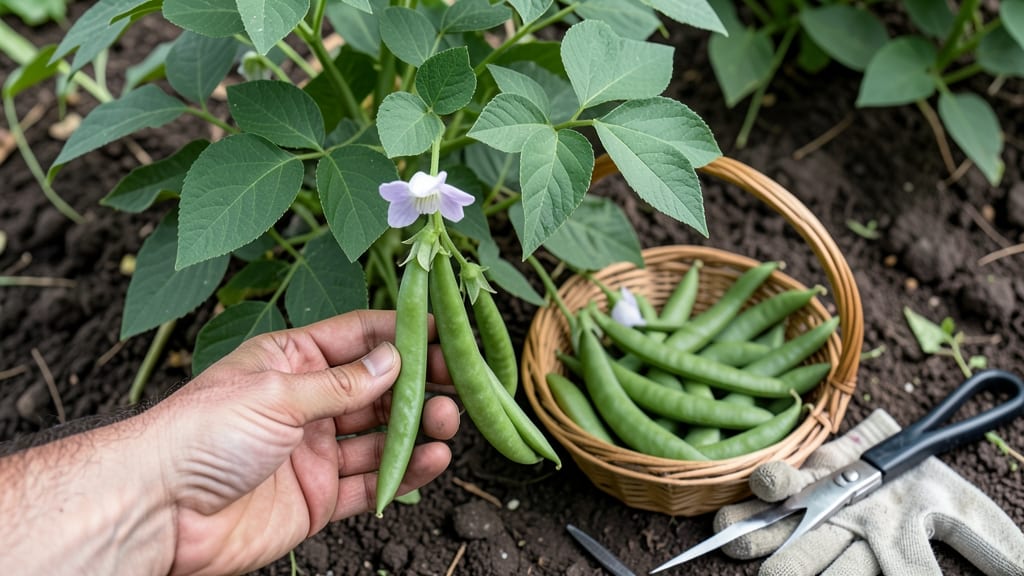
To pick beans from your garden at the perfect time means harvesting them when they’re crisp, tender, and packed with flavor—before they toughen or the seeds swell.
Picture this: you step into your garden in July, and there they are—straight, vibrant pods glistening in the sun. But wait too long, and those same beans turn stringy and woody, no matter how fresh they look.
The key? Knowing the exact moment to harvest 🌱 green beans so you never miss peak flavor.
Most gardeners wait until pods reach 4 to 6 inches and snap easily when bent, but timing varies by variety. Snap beans, like the classic Blue Lake, are best picked young, while pole beans like Kentucky Wonder can handle slightly larger pods—just as long as they’re still firm.
Morning harvests also keep them fresher longer, so plan your garden visits early.
In this guide, you’ll learn how to spot the ideal harvest stage, when to pick for continuous production, and pro tips to keep your plants yielding all season. No more tough, bitter beans—just crisp, delicious pods straight from your garden.


Signs your green beans are ready for harvest (pod stage guide)
Harvesting green beans at the perfect moment transforms your garden into a flavor factory—crisp, tender pods packed with sweetness. But wait too long, and you’ll end up with tough, stringy beans that taste like disappointment.
The key lies in reading your plants like a seasoned pro, focusing on pod size, color, and seed development to catch them at peak freshness.
Most green bean varieties reach harvest readiness about 50-60 days after planting, but don’t rely solely on the calendar. Instead, trust your senses: sight, touch, and even sound can reveal whether your beans are ready to pick.
For example, a pod that snaps crisply when bent is a dead giveaway that it’s time to harvest—before the seeds inside start bulging and stealing all the flavor.
Start by checking the length of your pods. Most green bean varieties—like Blue Lake or Kentucky Wonder—are ready when they reach 4-6 inches. If your beans are shorter, give them a few more days to grow.
But if they’ve stretched beyond 6 inches, you’ve missed the window for peak flavor, and the pods will start to toughen up.
Next, examine the color and texture of the pods. At the perfect harvest stage, green beans should be a bright, uniform green, not pale or yellowing. Run your thumb along the seam of the pod—it should feel smooth and firm, not wrinkled or mushy.
If you press gently and the pod leaves a dent, it’s past its prime.
Don’t forget the seed test! Look inside the pod: if you can see small, peanut-sized seeds but they’re not bulging or pressing against the sides, you’ve hit the sweet spot.
Over-mature beans will have large, hard seeds that dominate the pod, making the bean tough and woody. This is your plant’s way of saying, “I’m done producing for now!”
Another trick I swear by is the sound test. Hold a pod between your fingers and bend it gently toward your ear. A crisp, loud snap means it’s ready to harvest. If it bends without a sound or makes a dull crack, it’s overripe.
This simple test saves me from picking beans that are past their best—and it’s a fun way to engage kids in the garden too!
Timing matters even more with pole beans versus bush beans. Pole beans like Rattlesnake or Fortex tend to mature slightly later because they climb for sunlight, so check them a day or two after bush beans.
Meanwhile, bush varieties like Contender often ripen more uniformly, making them easier to time. Always harvest every 2-3 days to keep production going strong.
One common mistake gardeners make is waiting for all pods to ripen at once. But green beans are prolific producers, and the more you pick, the more your plants will reward you.
If you let too many beans mature on the vine, the plant shifts its energy into seed production, slowing down new pod growth. Think of it like pruning: the more you harvest, the bushier (or taller, in the case of pole beans) your plants will grow.
Finally, keep an eye on the leaves and stems. Healthy green beans should have vibrant green leaves with no yellow
Best practices for harvesting beans to maximize yield and flavor
Harvesting beans at the right time isn’t just about picking pods—it’s about preserving plant energy and encouraging more production. When you harvest too late, beans toughen up, and the plant shifts resources to seed development instead of new pods.
I’ve learned the hard way that overripe beans taste bitter and leathery, no matter how fresh they look. The secret? A gentle, frequent approach keeps your plants happy and your table full.
Start by checking pods every 2-3 days once they begin forming. Look for straight, glossy pods that snap cleanly when bent—this is your cue to harvest. If you wait until pods start bulging with seeds, you’ll miss the prime window.
I always grab my harvest basket in the morning when beans are cool and crisp, avoiding the heat of midday that can wilt them quickly.
⚠️ callout-warning
Harvesting beans when pods are 4-6 inches long and still tender is critical. Overripe beans (with bulging seeds) signal the plant to stop producing. Check daily during peak harvest season to avoid missing the window. Morning harvests prevent wilting, and never cut pods—always twist or snap them off to avoid damaging vines.
Use the right tools to make harvesting efficient and gentle. I keep a pair of sharp pruning shears for taller pole beans and a small basket with holes to avoid bruising pods. For bush beans, I simply pinch pods between my fingers—no tools needed.
The key is to harvest consistently; this encourages plants to produce more flowers and pods, extending your harvest by 2-4 weeks compared to sporadic picking.
One common mistake I see is harvesting too aggressively—removing more than ⅓ of the pods at once can stress plants. Instead, aim to pick every other pod during peak season, leaving some behind to keep the plant energized.
I also avoid harvesting when plants are stressed by heat or drought, as this weakens their ability to recover and produce new pods.
To maximize flavor, store freshly picked beans in the fridge for no more than 3 days or blanch and freeze them for long-term storage. I like to snap a few extra pods for quick meals or freeze them in 1-inch lengths for stir-fries later.
The fresher you eat them, the sweeter and crisper they’ll be—so plan your meals around your harvest schedule!
Finally, watch for seasonal cues like shorter daylight hours in late summer, which signal the end of the main harvest. I’ll slow down picking and let a few pods mature fully for seeds, then pull plants before frost hits.
With these practices, my bean plants yield 30% more pods over the season, and every harvest is a crisp, flavorful success.