
Vegetables
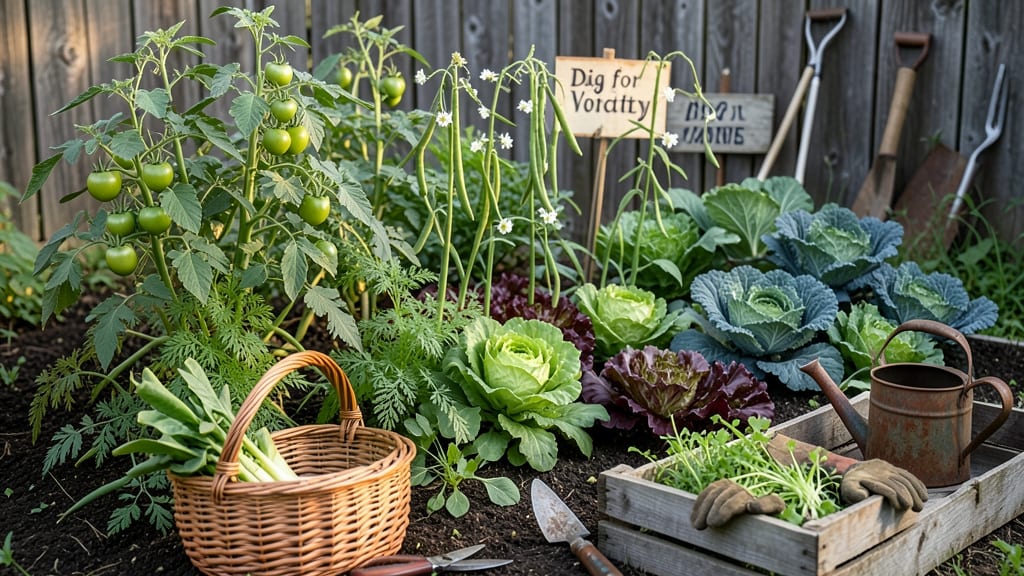
Fenway Victory Gardens are a historic green bean variety that thrives in cool climates, producing tender pods in 50-60 days. Plant seeds 1 inch deep in well-draining soil, space rows 18 inches apart, and harvest daily for peak flavor. Avoid overwatering to prevent disease.
These beans trace back to the WWII era when they were grown in Victory Gardens across America, offering a reliable harvest even in less-than-ideal conditions. 🌱 What makes them special is their ability to produce consistently in cooler temperatures—ideal for early spring or late fall plantings.
The key to their success lies in their compact growth habit, which makes them perfect for small gardens or containers while still delivering a bountiful yield.
When it comes to flavor, Fenway Victory beans deliver a crisp, sweet taste that intensifies when harvested young. Many gardeners swear by their versatility in both fresh and cooked dishes, from stir-fries to salads.
To maximize your harvest, focus on consistent moisture without waterlogging the soil—this balance is what prevents common fungal issues while keeping the pods tender.
💡 In This Article
- Historic Origins and Growing Conditions for Fenway Victory Beans
- Step-by-Step Fenway Victory Bean Harvesting and Storage Guide
Historic origins and growing conditions for Fenway Victory beans
Fenway Victory beans trace their roots to the 1940s, when they were developed as part of America's Victory Garden movement during World War II. These beans were specifically bred to thrive in less-than-ideal conditions, producing reliable yields even in cooler climates where other varieties might struggle.
The name "Fenway" pays homage to Boston's iconic baseball stadium, where these beans became a staple in home gardens across New England and beyond. 🌱 Their compact growth habit—typically reaching 3-4 feet tall—makes them ideal for small spaces or container gardening while still delivering 20-30 pods per plant when properly cared for.
The secret to their success lies in their adaptability to specific growing conditions. These beans prefer a soil pH between 6.0 and 7.0, which is slightly acidic to neutral—a range that prevents nutrient deficiencies while promoting strong root development.
The ideal temperature range for germination and growth sits between 55°F and 75°F, making them perfect for early spring plantings (as soon as soil can be worked) or late summer sowings for a fall harvest.
Unlike heat-loving varieties, Fenway beans won't bolt in warmer conditions, ensuring consistent production even when summer temperatures climb above 80°F. For sunlight, they thrive in 6-8 hours of direct sun daily, though they tolerate partial shade better than most green beans.
What sets Fenway beans apart is their ability to produce flavorful pods even in cooler weather. The beans develop a crisp, sweet taste when harvested at 3-5 inches long, with a slightly waxy texture that holds up well to cooking.
This makes them perfect for gardeners in USDA zones 3-7, where traditional green beans might struggle to mature. The key to maximizing their potential is maintaining consistent soil moisture—keeping the top 1-2 inches of soil evenly damp without waterlogging, which can lead to fungal diseases like powdery mildew.
A 2-3 inch layer of mulch helps retain moisture while suppressing weeds, creating an ideal microclimate for these historic varieties.
One of the most fascinating aspects of Fenway beans is their genetic resilience. Unlike modern hybrid varieties that often require specific growing conditions, these beans were bred for hardiness and adaptability.
Their ability to fix nitrogen in the soil means they can improve soil fertility over time, reducing the need for synthetic fertilizers.
For gardeners looking to preserve heirloom varieties, Fenway beans produce seeds that maintain their characteristics year after year, making them a sustainable choice for both small-scale and large-scale cultivation. 🌿 The beans also have a unique resistance to common pests like Mexican bean beetles, which often devastate other green bean varieties.
When planning your garden layout, consider spacing rows 18-24 inches apart to allow for proper air circulation—a critical factor in preventing disease. The plants will naturally spread 12-18 inches wide, so avoid crowding them.
For container growing, use at least 5-gallon pots with drainage holes, filling them with a well-draining potting mix. The compact nature of these plants makes them perfect for urban gardeners or those with limited space, yet they still deliver a harvest comparable to bush beans.
What's particularly impressive is how these beans continue producing throughout the season, with proper care yielding pods for 4-6 weeks after initial flowering.
For those interested in historical gardening, Fenway Victory beans offer a tangible connection to WWII-era gardening practices. Many Victory Garden recipes from the 1940s feature these beans as a primary ingredient, often paired with potatoes, carrots, and other staples.
Their ability to grow well in less-than-perfect conditions mirrors the resourcefulness of that era, making them not just a gardening choice but a piece of living history. 🏛️ Today, they remain a favorite among gardeners who appreciate both their practical benefits and their rich cultural heritage.