
Fertilization
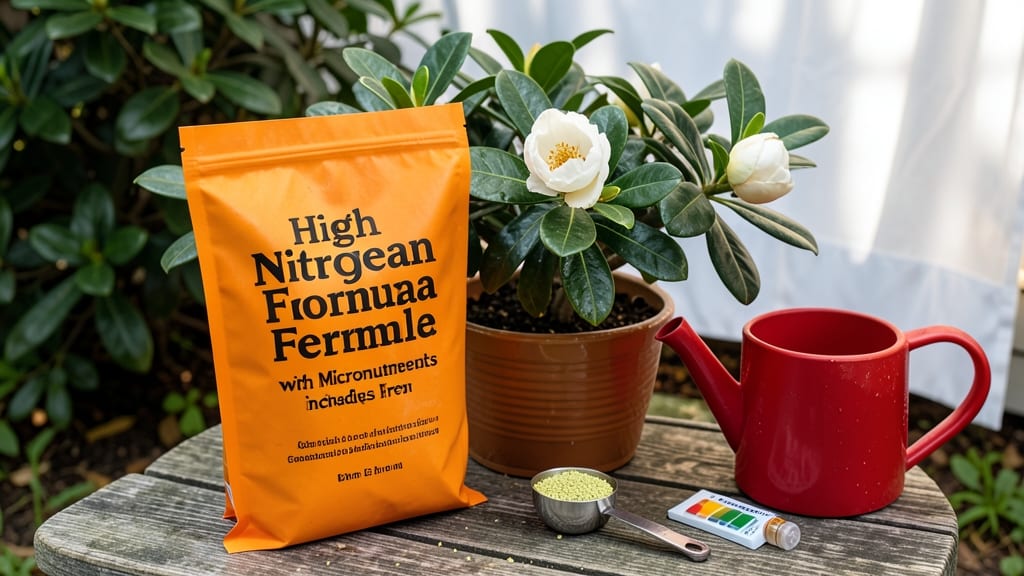
The right fertilizer for gardenias in pots is the secret weapon behind those intoxicating, fragrant blooms you’ve been craving—while the wrong one can leave you with lush foliage but no flowers at all.
Picture this: You’ve watered your potted gardenia religiously, placed it in the perfect spot, and yet… no buds. The problem might not be sunlight or soil—it’s likely your fertilizer. Gardenias are acid-loving divas, and they demand a specific feeding routine that most gardeners overlook.
Without it, even the hardiest plants struggle to bloom.
In this guide, I’ll walk you through the best acidic fertilizers for potted gardenias, the ideal nutrient ratios, and a seasonal feeding schedule that keeps your plant thriving.
Whether you prefer organic options or synthetic blends, you’ll learn how to avoid common mistakes that stifle blooms and how to adjust for container-specific challenges.
Ready to transform your leafy gardenia into a fragrant, flower-filled showstopper? Let’s get started with the right fertilizer, the right timing, and the right techniques to make it happen.
Best acidic fertilizers for potted gardenias: types and ratios for peak blooms
Potted gardenias (🌸) thrive when fed with the right acidic fertilizers—but not all fertilizers work equally well. These plants demand low pH soil (5.0–6.0) and a balanced NPK ratio with higher phosphorus (P) to fuel blooms.
Without proper nutrients, your gardenia will focus on leaves instead of fragrant flowers. Let’s break down the best options for container gardening, including organic vs. synthetic choices and how to maintain that critical acidity.
Gardenias are heavy feeders during their spring-to-summer blooming season, but they’re also sensitive to over-fertilization, which can burn roots in small pots.
The key is using a slow-release or liquid fertilizer with an NPK ratio of 6-6-6 or 8-3-9, paired with acidifying amendments like sulfur or pine bark fines. These amendments help counteract the natural alkalinity of tap water, keeping your gardenia’s roots happy and blooms abundant.
Here’s the comparison-table of top acidic fertilizers for potted gardenias, including pros, cons, and application tips for container gardening:
| Fertilizer Type | NPK Ratio | Best For | Pros | Cons | Application Tips |
|---|---|---|---|---|---|
| Miracle-Gro Azalea, Camellia, & Gardenia | 8-3-9 + micronutrients | Blooming phase | Fast-acting, acidic formula, easy to use | Requires frequent feeding (every 2 weeks), can cause salt buildup | Mix 1 tbsp per gallon of water; flush soil monthly |
| Espoma Organic Garden-Tone | 2-3-1 + beneficial microbes | New growth & soil health | Slow-release, improves soil structure, OMRI-listed | Lower nutrient density, requires reapplication | Granules: 2 tbsp per 12" pot; water thoroughly |
| Jobe’s Azalea & Rhododendron | 7-6-6 + iron & sulfur | Acid-loving plants | Balanced NPK, includes iron for green leaves, affordable | Synthetic; may need pH adjusters | 1 tbsp per gallon; apply every 4-6 weeks |
| Fish Emulsion (Organic) | 5-1-1 + micronutrients | Foliar feed & root boost | Rich in nitrogen, improves soil microbes, safe for containers | Strong odor, requires dilution | 1 tbsp per gallon; spray on leaves and soil |
| Pine Bark Fines (Soil Amendment) | N/A (acidifier) | pH maintenance | Lowers pH naturally, improves drainage, long-lasting | Not a fertilizer; must mix with soil | Mix 20% into potting soil at planting |
For potted gardenias, I recommend starting with a slow-release organic fertilizer like Espoma Garden-Tone in early spring to kickstart growth. Then, switch to a liquid acidic fertilizer like Miracle-Gro Azalea blend during the blooming season (May–August) to maintain those show-stopping white flowers.
Pair this with a monthly flush of distilled water to prevent salt buildup from synthetic fertilizers.
One of my biggest lessons? Over-fertilizing in containers is a fast track to root burn. Gardenias in pots have limited soil volume, so nutrients concentrate quickly. Always halve the recommended dose if your plant is in a small container (under 12 inches).
And if you notice yellow leaves or brown tips, flush the soil with water to leach out excess salts.
Don’t forget about acidifying amendments! Even the best fertilizer won’t work if your soil pH creeps above 6.0. Mix in sulfur granules or pine bark fines every 3–4 months to keep the pH in
Step-by-step feeding schedule: When, how much, and what to avoid for potted gardenias
Timing your gardenia fertilizer applications is just as critical as choosing the right formula. These acid-loving plants thrive on a seasonal schedule that aligns with their natural blooming cycles. In spring, focus on light feeding to encourage new growth, while summer demands regular blooming support.
Skipping fall and winter fertilizing prevents stress during dormancy—something many gardeners overlook. I’ve seen firsthand how following this rhythm transforms leafy shrubs into fragrant, flower-filled stars.
For container gardenias, the key is frequency adjustments based on pot size and fertilizer type. A 5-gallon pot needs less frequent feeding than a 1-gallon container, and slow-release granules require different timing than liquid feeds.
Start with half-strength applications if your plant shows signs of stress like yellowing leaves or leaf drop. Remember, gardenias are sensitive—too much fertilizer can burn roots faster than you can say "no blooms."
- ✅ When: Start feeding in early March (after last frost)
- ✅ How: Apply balanced 6-6-6 fertilizer every 4-6 weeks
- ✅ Amount: 1 tbsp per 5-gallon pot (half-strength for 1-gallon pots)
- ✅ Tip: Use liquid fertilizer for faster uptake during active growth
- ✅ When: Feed every 3-4 weeks during blooming
- ✅ How: Switch to 8-3-9 bloom booster (higher phosphorus)
- ✅ Amount: 1 tbsp per 5-gallon pot (full strength)
- ✅ Tip: Slow-release granules work well for busy gardeners
- ✅ When: Stop fertilizing after September 1st
- ✅ How: Flush soil with water if salt buildup appears
- ✅ Tip: Check soil pH (should be 5.0-6.0)
Watch for signs of over-fertilization like crispy leaf edges or white crusty deposits on soil—these mean you’re feeding too much. Under-fertilized gardenias show yellow leaves or no buds, while brown leaf tips often signal salt buildup from synthetic fertilizers.
I’ve learned to flush the soil with water every 3-4 feedings to prevent this. For organic gardeners, use fish emulsion or compost tea instead of synthetic blends to avoid salt issues entirely.
Adjust your schedule based on your gardenia’s growth stage. If you notice new buds forming but no flowers, increase phosphorus with a bloom-specific fertilizer. For mature plants, reduce feeding frequency to every 6 weeks in summer.
Remember, less is often more—gardenias reward patience with longer-lasting, more fragrant blooms when fed correctly. The secret? Consistency and seasonal adjustments tailored to your plant’s needs.
Pro tip: Keep a small notebook by your gardenia to track feeding dates and plant responses. I’ve seen gardeners double their blooms simply by adjusting their schedule based on this simple record-keeping.
Start with light feedings, observe your plant’s reaction, and adjust as needed. Your gardenia will thank you with show-stopping blooms that fill your space with fragrance.