
Advice
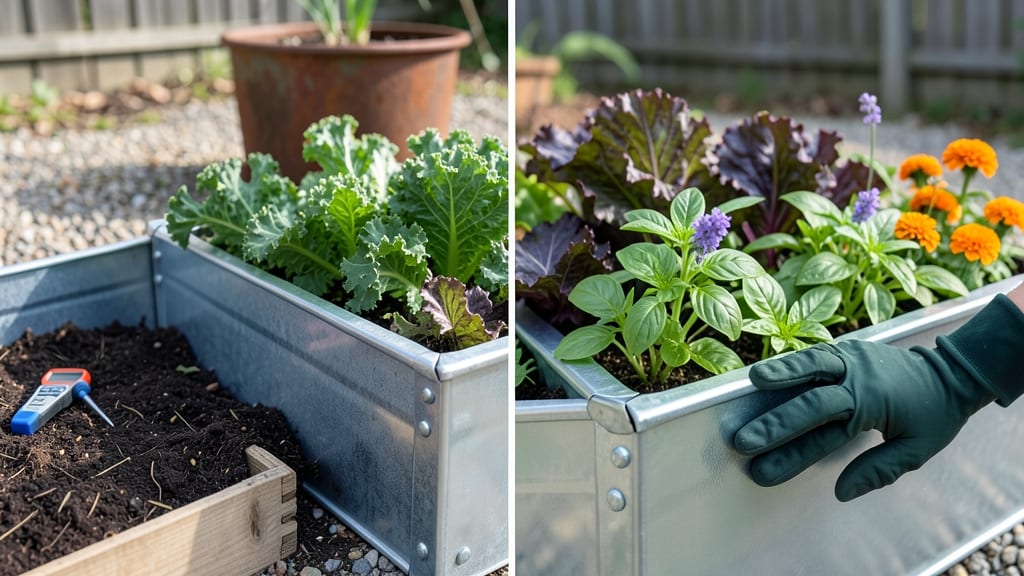
Galvanized garden beds can be safe for plants when properly prepared, but they may leach zinc and other metals into the soil, which can harm sensitive crops like beans, tomatoes, and leafy greens. Acidic soils increase leaching risks, while liners or compost barriers help reduce exposure.
Galvanized steel beds are coated with zinc to prevent rust, but over time, especially in moist or acidic conditions, that zinc can dissolve into the soil. 💫 This isn't just a concern for plants—excess zinc can also affect soil microbes and long-term fertility. The good news?
You can mitigate risks by using a barrier like heavy-duty plastic or rubber sheeting between the metal and soil, or by growing less sensitive crops like corn, squash, or herbs in these beds. For acidic soils, adding lime can help neutralize pH and slow metal release.
If you're set on using galvanized beds, I recommend monitoring soil pH regularly and rotating crops to avoid overloading sensitive plants with zinc buildup.
For maximum safety, consider pre-lining the bed with a non-toxic liner before adding soil—this creates a physical barrier that keeps metals contained while still allowing roots to grow freely.
💡 In This Article
- Zinc and Metal Leaching Risks in Galvanized Garden Beds
- Safe Gardening Practices for Galvanized Metal Beds
Zinc and metal leaching risks in galvanized garden beds
The galvanization process involves coating steel with a layer of zinc through a chemical reaction called hot-dip galvanizing. This protective layer prevents rust by creating a sacrificial barrier—zinc oxidizes first, shielding the steel underneath.
However, when exposed to moisture and acidic conditions, this zinc coating gradually dissolves through a process called electrochemical corrosion. In garden beds, this means zinc ions slowly leach into the soil, especially when pH drops below 6.5 (acidic range) or when soil stays consistently moist.
Zinc toxicity becomes a concern when soil concentrations exceed 100 parts per million (ppm), which can stunt plant growth or cause yellowing leaves in sensitive species.
Legumes like beans and peas absorb zinc readily, while brassicas (broccoli, cabbage) and leafy greens (spinach, lettuce) show symptoms of toxicity faster than root vegetables. 🌱 The problem worsens in sandy soils, where zinc doesn't bind to organic matter and remains more available to plants.
A soil test can reveal zinc levels—values above 200 ppm typically indicate harmful concentrations.
Moisture plays a critical role in accelerating leaching. Galvanized metal exposed to rain or irrigation water acts like a slow-release zinc source, with dissolution rates increasing by 30-50% in wet conditions. This is why raised beds with poor drainage become higher-risk zones.
The zinc's mobility in soil also means it can accumulate over time, particularly in the top 6 inches where most roots grow. For reference, a typical galvanized bed might release 0.5-2 grams of zinc per square foot annually, depending on environmental conditions.
Not all plants react the same way to zinc exposure. While beans and tomatoes show toxicity symptoms (leaf curling, stunted growth) at elevated levels, other crops like corn, squash, and herbs (basil, thyme) tolerate higher zinc concentrations.
The difference lies in their root structures—deep-rooted plants access less surface zinc than shallow-rooted varieties. This biological variation explains why some gardeners successfully grow vegetables in galvanized beds while others face crop failures.
Soil microbes also suffer from excessive zinc. Beneficial bacteria and fungi that fix nitrogen or decompose organic matter become less active when zinc levels exceed 50 ppm. This microbial decline reduces soil fertility over time, creating a hidden cost of unmanaged galvanized beds.
The interaction between zinc toxicity and microbial health explains why some gardens appear "healthy" at first but decline after 2-3 years of continuous use without intervention.
To visualize the risk, imagine zinc leaching like tea steeped in water—acidic soils act as stronger brew, extracting more metal over time. The key difference is that tea leaves can be removed, but zinc remains in the soil, building up with each growing season.
This persistent accumulation is why experts recommend treating galvanized beds as temporary installations unless proactive measures are taken.