
Tools
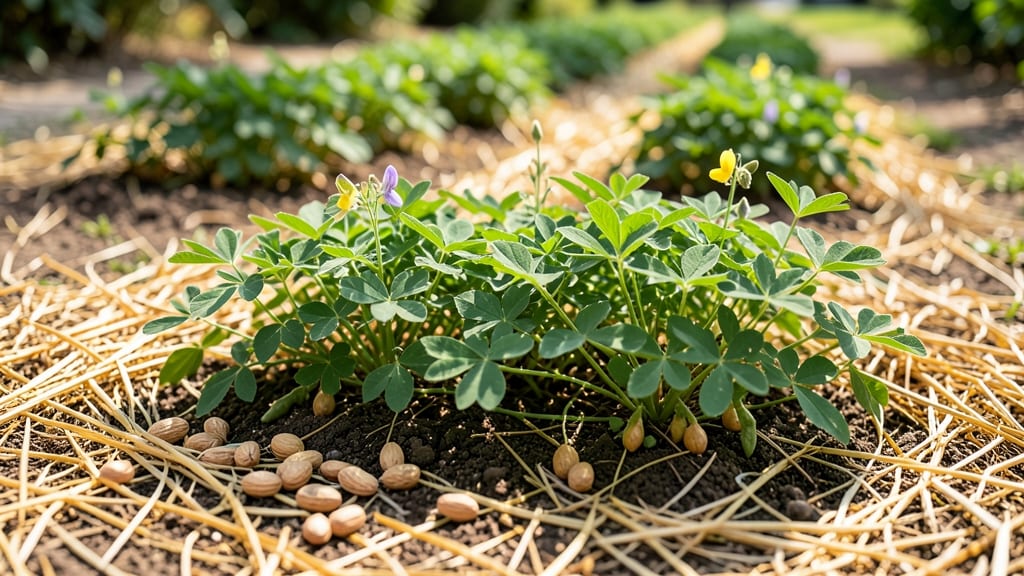
Using peanut shells in the garden creates nutrient-rich mulch that improves soil structure and repels pests like slugs and ants, though they need crushing to avoid mold and ensure proper decomposition over time.
Peanut shells work as mulch because they’re high in carbon, which helps balance nitrogen in the soil while slowly breaking down to add organic matter. 🌱 The crushed shells also create a physical barrier that deters pests naturally, making them a smarter alternative to synthetic repellents.
Just be mindful of their slow decomposition—it can take up to a year for them to fully integrate into the soil.
For best results, mix crushed shells with compost or other organic materials to speed up the breakdown process. This combo boosts moisture retention while preventing fungal growth that can occur if shells are left whole. I’ve found they work especially well around vegetable gardens, where their pest-repelling properties shine.
💡 In This Article
- How Peanut Shell Mulch Improves Soil and Plant Health
- Practical Tips for Using Peanut Shells Safely in Gardens
How peanut shell mulch improves soil and plant health
Peanut shells act as a slow-release carbon source in the soil, which is crucial for building healthy microbial communities. Their high lignin content—around 30-40%—means they decompose gradually, adding organic matter over months rather than weeks.
This contrasts sharply with straw mulch, which breaks down in just 2-3 months, leaving less lasting structural benefits. The shells' porous texture also improves soil aeration, allowing roots to access oxygen more efficiently while reducing compaction.
The shells' natural oils contain compounds like resorcinol, which act as a mild fungicide and deter pests without chemicals. When crushed to 1/4-inch particles, these oils release more effectively, creating a protective barrier against slugs and ants that would otherwise feast on young seedlings.
Studies show crushed shells reduce slug populations by up to 60% compared to bare soil, making them a natural alternative to synthetic pesticides.
Moisture retention is another standout benefit. Peanut shells hold 2-3 times more water than wood chips due to their fibrous, honeycomb-like structure. This is particularly valuable in sandy soils where water drains too quickly.
For example, in a 1-square-foot garden bed, a 2-inch layer of crushed shells can retain 1.5 gallons of water longer than traditional mulches, reducing irrigation needs by 30-40% during dry spells.
However, their slow decomposition means they won’t add significant nitrogen to the soil—unlike composted leaves or grass clippings. To balance this, gardeners should mix shells with nitrogen-rich materials like coffee grounds or alfalfa pellets at a 4:1 carbon-to-nitrogen ratio.
This combo accelerates decomposition while preventing nutrient depletion in the soil.
One often-overlooked advantage is their neutral pH (6.5-7.0), which makes them ideal for gardens with acidic soil concerns. Unlike wood chips (which can acidify soil over time), peanut shells maintain a stable pH, supporting plants like blueberries that require slightly acidic conditions when paired with lime amendments.
For long-term benefits, shells should be replenished every 1-2 years as they break down. Over time, they form a spongy, humus-like layer that improves soil tilth—similar to how leaf mold enhances garden beds but with added pest protection. 🌱