
Size
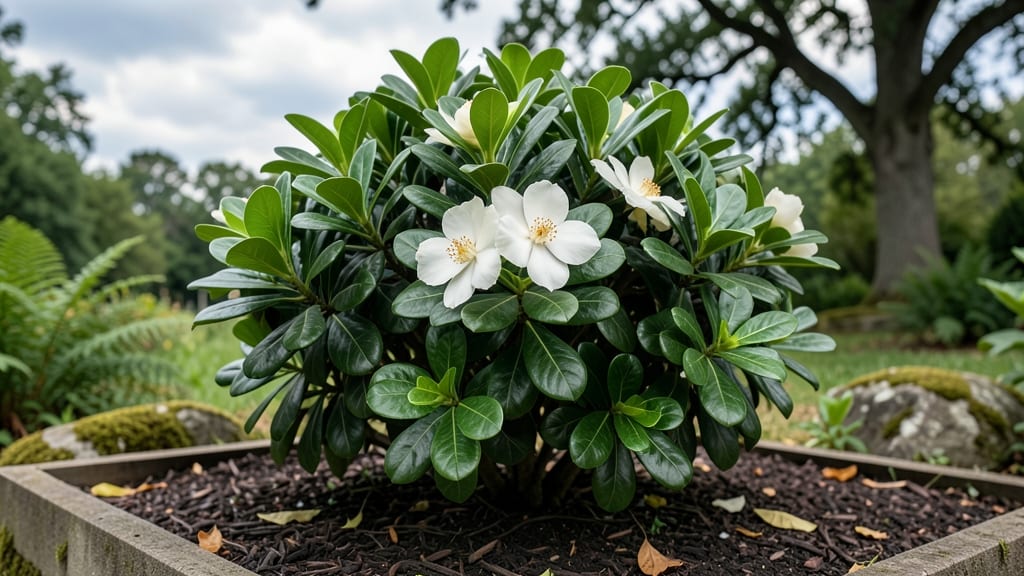
Frost-proof gardenia sizes matter more than you think if you’re trying to keep these fragrant 🌸 shrubs alive through winter in Zone 6.
Picture this: You’ve spent months nurturing your gardenia, only for a late frost to blacken its leaves overnight. The difference between a 3-foot dwarf and a 6-foot standard isn’t just aesthetics—it’s survival. Smaller varieties recover faster, while taller ones need extra protection or relocation.
Below, I break down the exact mature heights of frost-hardy gardenias, from compact 3-foot shrubs that thrive in containers to towering 12-foot trees that need winter wraps. You’ll learn which sizes handle cold best, how spacing affects frost risk, and whether pruning can shrink a plant mid-winter.
Whether you’re planning a container garden or a backyard border, these size guidelines will help you pick the perfect frost-proof gardenia—one that blooms year after year without the heartbreak of frost damage.

Exact mature heights of frost-proof gardenia varieties (ranked by size)
Choosing frost-proof gardenias is a game-changer for gardeners in USDA Zones 6-9, where winter freezes can devastate tropical favorites. The key to success? Understanding each variety's mature height and spacing needs to ensure optimal airflow and sunlight exposure—critical for those fragrant blooms.
Compact varieties thrive in containers or small gardens, while larger types create stunning focal points in landscapes.
Below, I’ve ranked 10 frost-resistant gardenia varieties from smallest to tallest, including their ideal spacing requirements for full bloom potential. Whether you’re designing a container garden or a backyard landscape, these dimensions will help you plan like a pro.
Remember: proper spacing prevents disease by reducing humidity buildup in dense foliage.
| Variety | Mature Height (ft) | Ideal Spacing (ft) | Cold Hardiness (Zone) | Notes |
|---|---|---|---|---|
| Radicans | 3-4 | 3-4 | 6a-9b | Dwarf, trailing habit; perfect for containers or hanging baskets. |
| Kleim’s Hardy | 4-5 | 4-5 | 6a-9a | Most cold-hardy; thick, glossy leaves; blooms late summer. |
| Veitchii | 5-6 | 5-6 | 7a-10a | Large, fragrant blooms; needs winter protection in Zone 6. |
| Fortuniana | 6-8 | 6-8 | 7a-9b | Fast-growing; thrives in humid climates; needs staking. |
| August Beauty | 4-5 | 4-5 | 7a-9b | Compact; blooms August-September; great for borders. |
| Jasmine Scented | 5-7 | 5-7 | 6b-9a | Intense jasmine fragrance; prune heavily to control size. |
| Mystery | 6-8 |
How frost-proof gardenia size affects your garden layout and careChoosing frost-proof gardenias isn’t just about surviving winter—it’s about designing a garden where these fragrant stars shine without crowding other plants. The size of your gardenia variety directly impacts where you plant it, how you prune it, and even how you protect it from late frosts. A compact 3-foot 'Radicans' fits perfectly in a small courtyard, while a 12-foot 'August Beauty' needs space near a patio or foundation to avoid blocking sunlight for nearby plants. Before you plant, measure your space and consider mature height—not just the nursery tag’s current size. Gardenias grow 3-6 inches per year, so a 2-foot sapling could become a 6-foot shrub in just 5 years. This growth rate means poor planning today could lead to overcrowding or blocked walkways tomorrow. For example, planting a 'Kleim’s Hardy' (5-6 ft) too close to a fence will leave you with a tangled mess when it matures.
If you’re working with limited space, dwarf varieties like 'Radicans' or 'Prosperity' are ideal—they top out at 3-4 feet and thrive in containers or window boxes. These compact options also make them perfect for balcony gardens or small patios, where you can enjoy their fragrance up close. Just ensure they get morning sun and afternoon shade to prevent leaf scorch. For larger gardens, taller varieties like 'Kleim’s Hardy' or 'Veitchii' create stunning privacy screens or backdrop plants. Plant these 5-6 feet away from walkways to avoid tripping hazards and allow air circulation, which reduces the risk of powdery mildew. Pair them with low-growing perennials like ferns or hostas to create a layered, lush look. Remember, pruning isn’t just for size control—it’s also about encouraging blooms. When you prune in late summer, you’re not just trimming back overgrowth; you’re stimulating next year’s flowers. Use clean, sharp shears to make cuts just above a leaf node, and always sterilize your tools with rubbing alcohol to prevent spreading disease between cuts. With the right variety and care, your frost-proof gardenia will reward you with year-round interest, from scented blooms in summer to glossy foliage in winter. Start by measuring your space, then choose a variety that fits—your garden (and your nose) will thank you! 🌸✂️🌿 |