
Tools
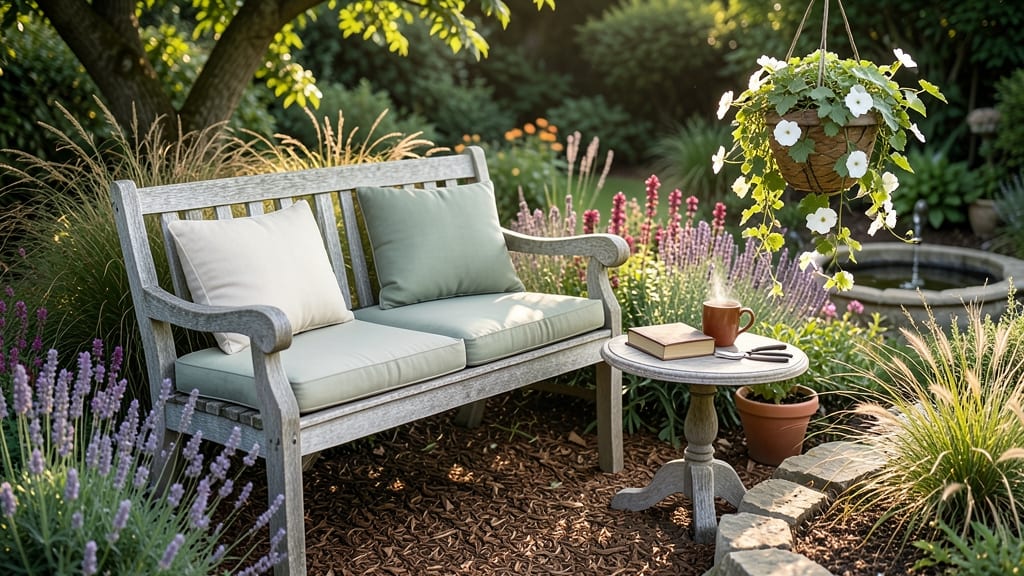
To find a durable garden bench near you, start by visiting local garden centers, hardware stores like Lowe’s or Home Depot, or outdoor furniture specialists. Prioritize materials like teak, cedar, or powder-coated aluminum for maximum weather resistance and longevity.
Local garden centers often carry handcrafted benches with unique designs, while big-box stores provide budget-friendly options with quick assembly. 🌿 I recommend inspecting the bench frame for signs of rust (especially with metal) and checking cushion materials if included—polyester blends hold up better than natural fabrics in damp climates.
For secondhand finds, test the bench's stability by applying pressure to the seat and legs before purchasing.
Many retailers now offer online previews with 3D models, so you can visualize the bench in your space before visiting. If you're unsure about durability, ask about manufacturer warranties—most reputable brands offer at least a 1-year guarantee on materials.
Remember, the best bench isn't just about looks but how it withstands your local weather patterns over time.
💡 In This Article
- Best Materials for Outdoor Garden Benches
- Where to Buy Garden Benches Locally
Best materials for outdoor garden benches
Outdoor garden benches face constant exposure to UV rays, moisture, and temperature swings—factors that break down weaker materials over time. Teak stands out as the gold standard because its natural oils create a protective barrier against rot and insects.
When properly maintained (sealing every 1-2 years), teak benches can last 20-30 years, far outlasting pressure-treated pine (5-10 years) or basic aluminum (10-15 years). The grain pattern also adds aesthetic warmth that complements natural landscapes beautifully.
Cedar offers a more budget-friendly alternative with similar benefits, containing natural oils that resist decay. However, its durability drops significantly without regular sealing—unlike teak, cedar requires treatment every 6-12 months in humid climates.
For metal options, powder-coated aluminum provides excellent corrosion resistance (thanks to its 0.0005-inch thick protective coating) and won't rust like wrought iron, though it lacks the classic aesthetic appeal. Resin wicker, made from high-density polyethylene, mimics natural wicker while resisting mildew and fading.
The material choice directly impacts maintenance needs and long-term costs. Teak demands the most upkeep but offers unmatched longevity, while cedar provides a middle ground. Metal benches require zero maintenance but may need occasional repainting of the powder coat (every 3-5 years in coastal areas).
Resin wicker stays pristine with just a damp cloth wipe-down, making it ideal for low-maintenance gardeners. 🌿 What most people overlook is how local climate affects material performance—coastal areas accelerate rust in metal while high humidity speeds up wood decay if not properly treated.
Consider these key factors when choosing materials:
- Climate: Teak excels in tropical/humid areas; cedar works better in dry climates
- Budget: Resin wicker costs $150-$300; teak ranges $400-$1,200+
- Style: Wrought iron offers classic Victorian charm; modern designs favor aluminum
- Weight: Metal benches are 2-3x heavier than wood/resin options
For maximum durability, combine materials strategically—like a teak seat with aluminum legs—which balances natural beauty with structural strength. The legs bear 80% of the weight and face the most wear, so prioritizing their material (like powder-coated aluminum) extends the bench's lifespan significantly. 🔥
Remember that even the best materials degrade faster when placed in direct sunlight all day. Positioning your bench in partial shade can extend its life by 30-50%, especially for wood varieties that photodegrade under UV exposure.
The key is matching your material choice to both your aesthetic preferences and environmental conditions.