
Tools
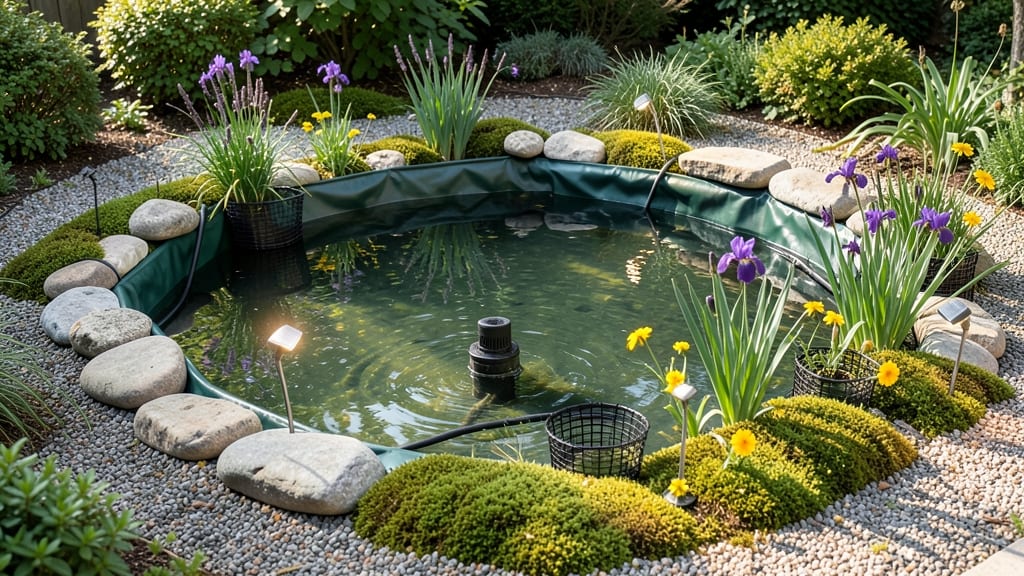
Creating a garden pond waterfall involves careful site selection, pond shaping, pump installation, and designing a flowing cascade with natural materials. Start with a small-scale design, focus on proper water circulation, and use waterproof sealing to avoid leaks.
A well-designed garden pond waterfall transforms your backyard into a serene retreat by blending functionality with natural beauty. 🌿 The key is balancing aesthetics with practical elements like water flow rate and pump capacity—too much force creates erosion, while too little leads to stagnant water.
I always recommend starting with the waterfall's height and slope first, as this determines both the visual impact and the ecosystem's health. For example, a gentle 1:3 slope (1 unit vertical for every 3 units horizontal) creates a natural look while preventing rock slippage.
Layering different-sized rocks and incorporating aquatic plants not only enhances the scenery but also helps filter water naturally.
When planning your waterfall, consider how the water will circulate back into the pond—this affects oxygen levels and prevents algae buildup. A recirculating pump sized for your pond's volume (typically 100-300 gallons per hour for small ponds) ensures smooth operation.
For sealing, use flexible pond liner adhesive or specialized waterproof sealant to prevent leaks, especially around the waterfall's base where rocks meet the liner. 💧 Pro tip: Test your setup with a small amount of water first to spot any weak spots before committing to the full design.
💡 In This Article
- Key Design Principles for a Natural-Looking Pond Waterfall
- Step-by-Step Waterfall Construction with Common Mistakes
Key design principles for a natural-looking pond waterfall
The slope of your waterfall isn't just about looks—it directly impacts water flow and erosion control. A 1:3 slope ratio (1 foot vertical drop for every 3 feet horizontal) is ideal because it mimics natural streams while preventing rocks from shifting over time.
Steeper slopes (1:2) create dramatic water movement but require more stable rock placement and proper underlayment to prevent soil erosion. The water's kinetic energy at impact also aerates it, which is crucial for maintaining a healthy ecosystem by increasing oxygen levels.
Water flow rate depends on your pond's volume and pump capacity. A common guideline is 100-300 gallons per hour (GPH) for small ponds (500 gallons), but this varies based on the waterfall's height.
For every 1 foot of vertical drop, you'll need about 10-15 GPH to maintain smooth, continuous flow without creating a turbulent mess. Too little flow results in stagnant water and algae growth, while excessive flow can erode your rocks over time.
I've seen DIY setups fail because the pump was undersized for the waterfall's height—always calculate based on your highest point.
Rock selection matters more than most beginners realize. Flat, layered stones like slate or limestone create natural terraces, while rounded river rocks (6-12 inches) provide texture and prevent water from splashing too far.
The key is to vary sizes—larger rocks at the base for stability, smaller ones at the top to create cascading layers.
Aquatic plants like water lilies or horsetail reeds soften the edges and provide shade, which helps regulate water temperature and reduces evaporation. 🌿 Pro tip: Place plants near the waterfall's base where water flows back into the pond to maximize their filtering benefits.
Water circulation is the unsung hero of pond health. As water cascades, it picks up oxygen and distributes it throughout the pond, preventing stagnation. This natural aeration is especially important in warmer months when oxygen levels drop.
The waterfall's placement should create a gentle current that moves water from the top of the pond to the bottom, encouraging circulation. Without this, you'll face issues like green water (algae blooms) or foul odors from decomposing organic matter.
A well-designed waterfall should feel like an extension of the pond's natural rhythm—not an afterthought.
Don't overlook the importance of underlayment. A geotextile fabric between the rocks and pond liner prevents punctures while allowing water to pass through. This layer is critical for long-term stability, especially in areas with freeze-thaw cycles where rocks can shift.
For the liner itself, use EPDM rubber (the most puncture-resistant option) and overlap seams by at least 6 inches, sealing with specialized pond adhesive.
I've seen leaks develop where homeowners skipped this step, leading to costly repairs. 💧 Remember: A waterfall's foundation is only as strong as its weakest seal.
Finally, think about the waterfall's "sound signature." The right flow rate creates a soothing white noise effect that masks urban sounds, while uneven flow sounds like a splashing mess. Test your design by pouring water over the rocks before finalizing—you should hear a consistent shhhhh rather than plinks.
This attention to detail transforms your waterfall from a functional feature into a tranquil centerpiece. The best designs feel like they've always been part of the landscape, not added to it.