
Tools
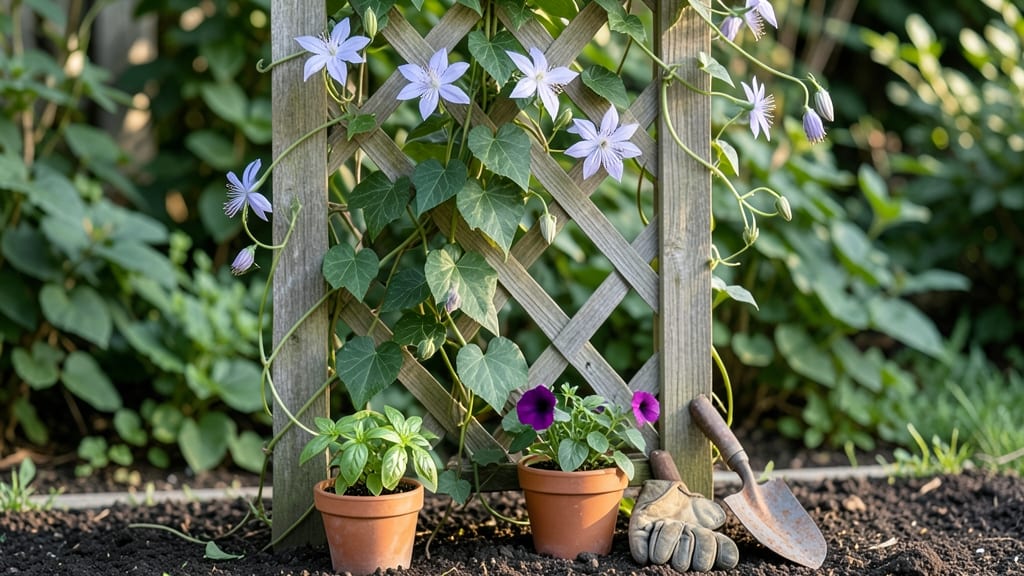
When shopping for garden trellises for sale, you'll find options in wood, metal, and PVC, with heights from 4 feet for small spaces to 8 feet for wall-mounted designs. Prioritize rust-resistant materials for longevity or lightweight plastic for hassle-free setup, and match the structure to your plants—beans, cucumbers, or roses all thrive with the right support.
Finding the right garden trellis isn't just about aesthetics—it's about matching your plants' growth habits to the structure's strength and design. 🌿 For example, heavy vines like pole beans need sturdy metal or thick wooden frames, while delicate flowers like clematis can adapt to lighter PVC grids.
I always recommend checking weight limits on labels, as some "decorative" trellises can't handle more than a few pounds of foliage. Plus, consider your garden's layout: freestanding arbors create focal points, while wall-mounted options save space for smaller yards.
Another key factor is maintenance. Wooden trellises require sealing every few years to prevent rot, while metal versions need rust-proof coatings if exposed to moisture.
PVC, on the other hand, stays nearly maintenance-free but may not support as much weight. 💫 For urban gardeners, powder-coated metal trellises are my top pick—they resist weathering and often come with pre-drilled holes for easy installation.
The right choice depends on whether you prioritize durability, ease of setup, or visual appeal in your outdoor space.
💡 In This Article
- How to Choose the Best Trellis Material for Your Plants
- Top Garden Trellis Styles by Use and Plant Type
How to choose the best trellis material for your plants
Material choice directly impacts your trellis's lifespan, weight capacity, and maintenance needs. Wooden trellises, like cedar or redwood, offer a natural, rustic look that blends seamlessly into garden aesthetics. However, they require sealing every 1-2 years to prevent rot and insect damage, especially in humid climates.
The grain pattern provides excellent grip for vines, but untreated wood can warp over time when exposed to moisture. For example, a 6-foot cedar trellis might support up to 20-30 pounds of mature cucumber vines, while softer pine could sag under similar weight.
Metal trellises, particularly powder-coated aluminum or galvanized steel, resist rust and last 10-15 years with minimal upkeep. The smooth surface conducts heat quickly, which can be problematic for heat-sensitive plants like squash vines in summer.
However, metal's strength makes it ideal for heavy climbers: a 4-foot steel obelisk can handle 50+ pounds of tomatoes or grapes. The trade-off? Metal reflects sunlight, potentially increasing soil temperatures near the base—something to consider for shade-loving plants like ferns or certain varieties of beans.
PVC trellises strike a balance with their lightweight durability and resistance to weathering. They won't rust or rot, making them perfect for coastal gardens where salt air accelerates corrosion. A 5-foot PVC grid typically supports 10-20 pounds, suitable for lighter climbers like pole beans or morning glories.
The plastic's smooth surface requires vine ties or twine to secure plants, but this prevents damage to delicate stems. For urban balconies, PVC's low weight makes it easier to mount without heavy-duty hardware—just ensure your wall anchors can handle 5-10 pounds per trellis.
Consider your plants' growth habits when selecting. Heavy vines like kiwi or passionfruit need metal or thick wooden supports, while sprawling cucumbers benefit from wide-grid designs (like 12-inch square openings) to prevent fruit rot from touching soil.
Delicate flowers such as clematis thrive on lattice-style trellises with 2-inch gaps, allowing air circulation while providing gentle support. The material's porosity matters too: wood and metal allow some airflow, while solid PVC can trap moisture against plant stems, increasing disease risk.
For long-term cost savings, invest in materials that match your climate. In rainy regions, opt for galvanized metal or sealed wood; in dry areas, untreated cedar lasts longer. PVC's low maintenance makes it ideal for busy gardeners, while metal's strength justifies its higher upfront cost for heavy-duty use.
Pro tip: Check product labels for weight limits—some "decorative" metal trellises are rated for only 5 pounds, while "heavy-duty" versions handle 100+ pounds. Always exceed your plant's expected weight by 30% to account for wind and rain.