
Tools
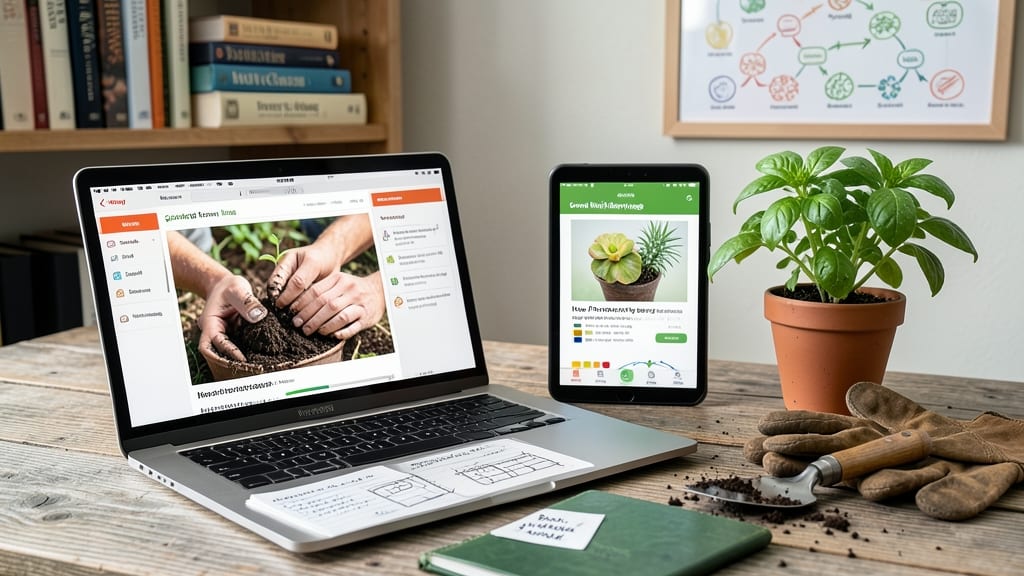
To learn gardening online, start with free platforms like Coursera’s Gardening Fundamentals or YouTube channels such as Epic Gardening, which offer beginner-friendly video lessons and hands-on project guides. Look for courses with plant care tutorials, seasonal tips, and troubleshooting advice to build practical skills.
If you're looking to grow your green thumb without breaking the bank, online learning is the way to go. 🌱 Many platforms offer structured courses that cover everything from soil composition to pest management, often with downloadable guides.
I've found that pairing video tutorials with real-world experiments—like starting a windowsill herb garden—helps solidify what you learn. The best part? You can progress at your own pace, whether you're troubleshooting a wilting plant or planning your first vegetable patch.
For those who prefer interactive learning, community forums and live Q&A sessions add another layer of support. These spaces let you connect with fellow gardeners, share progress photos, and get instant feedback on your techniques.
Whether you're a complete beginner or just looking to refine your skills, there's a wealth of free resources designed to make gardening accessible and enjoyable.
💡 In This Article
- Best Free Online Gardening Courses for Beginners
- Top YouTube Channels for Hands-On Gardening Lessons
Best free online gardening courses for beginners
When evaluating online gardening courses, the first thing to look for is structured curriculum that covers foundational topics like soil composition (pH levels, organic matter percentages) and plant biology (photosynthesis processes, nutrient cycles).
Coursera's Gardening Fundamentals from the University of Michigan, for example, breaks down these concepts through interactive modules with quizzes that test your understanding of how mycorrhizal fungi improve root systems by up to 30%.
The course also includes downloadable soil testing guides that walk you through measuring nitrogen (N), phosphorus (P), and potassium (K) ratios at home.
What sets apart high-quality courses is their integration of hands-on projects with theoretical knowledge. Udemy's Urban Gardening course, for instance, includes a 6-week container gardening challenge where students grow basil from seed and track growth metrics like leaf production and plant height.
The instructor provides specific measurements—like maintaining 1-2 inches of compost in your container—to demonstrate how soil depth affects root development. These practical elements help bridge the gap between classroom learning and real-world application, which is where most beginners struggle.
Another critical factor is instructor expertise. Look for courses led by horticulturists or botanists with field experience, as they can explain complex concepts like transpiration rates (water loss through leaves) in ways that directly impact your gardening decisions.
Skillshare's Vegetable Gardening course, taught by a former USDA botanist, includes video demonstrations of pruning techniques that show exactly how to remove 1/3 of a plant's foliage during summer to boost fruit production. This level of detail helps you understand why certain practices work at the biological level.
Seasonal considerations are often overlooked in basic courses, but they're crucial for success. The best programs incorporate regional growing calendars that account for frost dates and last spring frost averages in your area.
For example, a course might teach you that planting tomatoes 2-3 weeks after your last frost date gives them enough time to mature before fall temperatures drop below 50°F. This practical timing advice prevents common mistakes like planting too early in cold climates.
Community features can significantly enhance your learning experience. Platforms like Coursera offer discussion forums where you can post photos of your plants and get instant feedback from instructors and peers.
I've seen beginners transform their gardens completely by sharing progress photos and receiving personalized troubleshooting advice—like identifying aphid infestations from the distinctive curled leaves they create. These interactive elements turn passive learning into an active community experience.
For those with limited space, courses that focus on vertical gardening or hydroponics can be particularly valuable. These specialized tracks teach you how to grow plants in 6-inch-deep pockets or nutrient-rich water solutions, demonstrating how to maximize yield in small areas.
The hands-on nature of these projects helps you develop problem-solving skills that apply to any gardening situation.