
Tools
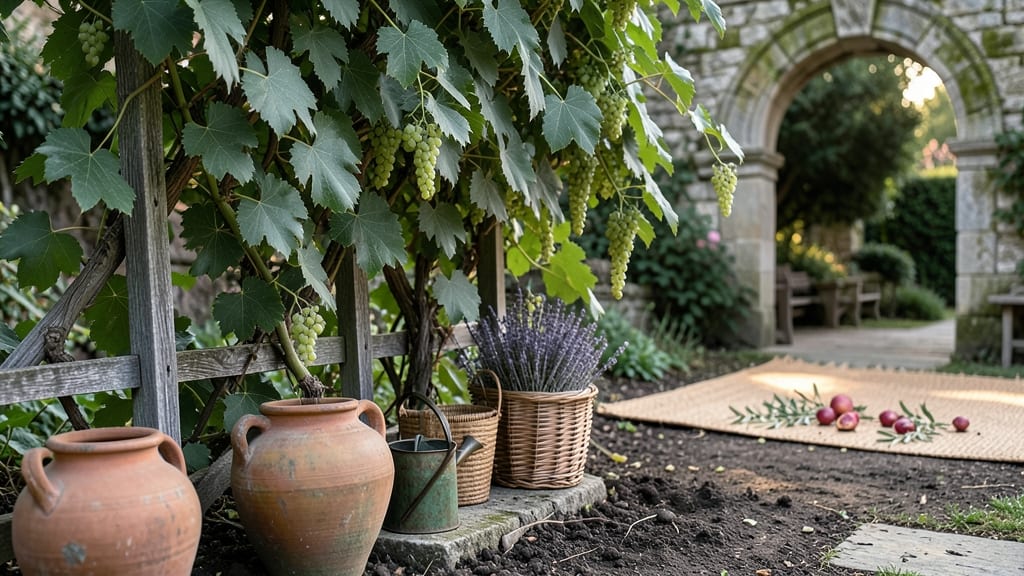
The Bible’s garden verses reveal God’s design for creation and human partnership, starting with Genesis 2:8 where Eden’s garden becomes humanity’s first assignment: to cultivate and protect it. These sacred texts frame gardening as a divine trust, weaving together themes of stewardship, renewal, and the sacred bond between people and the earth.
The garden in Genesis isn’t just a place—it’s a model for how we’re meant to interact with the natural world. 🌱 From Adam’s role in naming plants (Genesis 2:19) to Jesus’ parables about seeds (Mark 4:26–29), Scripture consistently ties cultivation to spiritual growth.
What’s fascinating is how these verses connect physical work with moral responsibility, like Isaiah 5:1–7 where God compares Israel to a neglected vineyard. Even modern gardeners can draw inspiration from these passages, seeing their work as an extension of that ancient covenant.
These verses also highlight the consequences of broken stewardship—Genesis 3:17–19 shows how sin disrupts harmony with the earth—but they never abandon hope. Joel 2:22 promises restoration, while Hosea 14:7 invites us to "plant righteousness" as an act of renewal.
Whether you’re tending a backyard plot or simply admiring flowers, these biblical garden stories remind us that care for creation is both a privilege and a sacred duty.
💡 In This Article
- Theological Significance of Eden’s Garden in Biblical Creation
- 15 Essential Bible Verses for Gardeners and Plant Lovers
Theological significance of Eden’s garden in biblical creation
Genesis 2:8-15 presents Eden’s garden as more than a lush landscape—it’s the first divine blueprint for human partnership with creation. The Hebrew word ‘abad (translated "tend") carries the dual meaning of "serve" and "work," suggesting a sacred labor where humans participate in God’s ongoing creative process.
This isn’t passive observation but active cultivation, mirroring how God Himself "planted" (yatsar) the garden with intentional design. The four rivers (Pishon, Gihon, Hiddekel, Euphrates) symbolize life’s interconnected systems, teaching that stewardship requires understanding ecological relationships.
The command to "keep" (shamar) the garden adds another layer—this Hebrew term appears 150+ times for guarding sacred objects (like the Ark of the Covenant) or protecting people (e.g., Genesis 4:1). Here, it frames gardening as a holy trust, where humans become caretakers of God’s creation.
Adam’s naming of plants (Genesis 2:19-20) reveals deeper purpose: by identifying and categorizing, he establishes order and relationship, much like modern botanists classify species. This act bridges the physical and spiritual, showing that cultivation isn’t just about growth—it’s about recognizing divine order in nature.
The fall in Genesis 3:17-19 reveals how broken stewardship disrupts this harmony. The curse introduces "thorns and thistles" and "toil" (‘itsbon), turning cultivation from partnership into struggle—a consequence of humanity’s fractured relationship with creation.
Yet even here, the language preserves hope: "you shall eat the plants of the field" suggests continued engagement with the earth, not abandonment. This tension between struggle and potential mirrors modern environmental challenges, where human labor often feels like fighting against nature rather than collaborating with it.
Redemptive themes appear in agricultural imagery throughout Scripture. Isaiah 5:1-7 uses vineyard language to critique Israel’s neglect of God’s commands, while Jesus’ parables (Mark 4:26-29) frame the kingdom as a growing seed—both requiring patient, faithful cultivation.
The parallel between spiritual growth and physical gardening becomes clear: just as seeds need proper soil, water, and sunlight, righteousness requires nurturing through obedience and trust. This connection explains why many biblical scholars see gardening as a metaphor for discipleship—both demand attentive, lifelong care.
Modern environmental movements often echo these ancient themes. When scientists discuss "rewilding" or "regenerative agriculture," they’re essentially describing what Genesis calls shalom—restored harmony between humans and earth.
The biblical garden model suggests this harmony isn’t achieved through domination but through relationship, much like how permaculture designers work with natural systems rather than against them. Even the physical act of planting seeds becomes an act of faith, mirroring how God’s promises grow in our lives over time.
Consider this: the Hebrew word for "garden" (gan) appears only 13 times in Scripture, yet carries immense weight. It represents both the original ideal and the ongoing invitation to participate in God’s creative work.
Whether you’re tending a windowsill herb garden or a sprawling farm, these verses remind us that every seed planted is an act of partnership with the Creator’s ongoing story. The soil remembers what our hands do—and so does Scripture.