
Tools
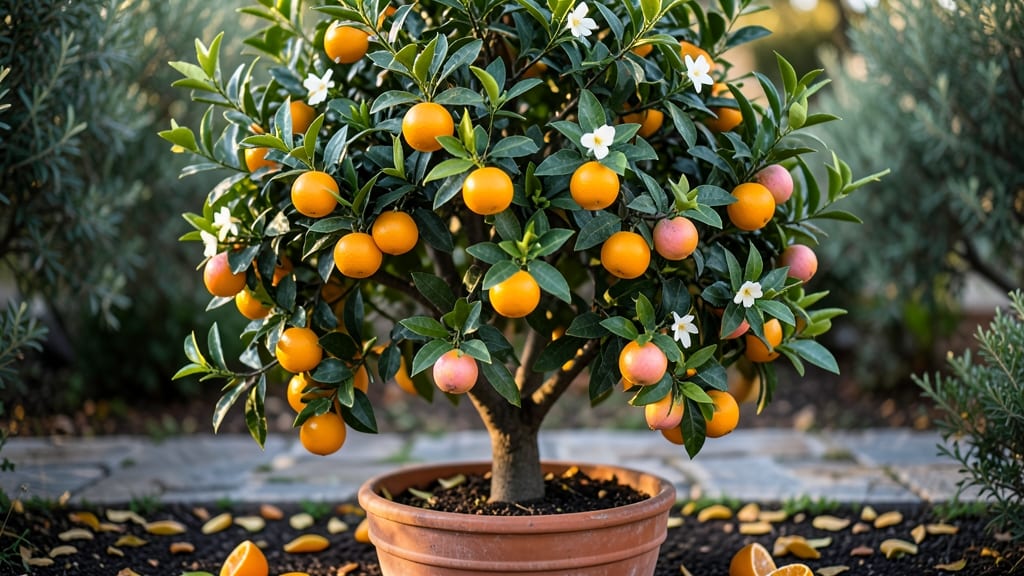
Garden Zone 10b provides ideal conditions for year-round gardening with its warm winters and hot summers, perfect for growing tropical plants like citrus trees and hibiscus. While frost is uncommon, late spring cold snaps can still damage tender plants, so timing your planting schedule carefully is essential.
This unique climate zone—spanning parts of Southern California, Arizona, and Florida—lets gardeners grow subtropical favorites without worrying about harsh freezes. 🌿 The average winter lows rarely drop below 40°F, creating a microclimate where even avocados and bananas can thrive outdoors.
However, the 10-15 frost-free days per year in some areas mean you should always monitor local weather alerts, especially when planting heat-sensitive crops like tomatoes or peppers in early spring.
What sets Zone 10b apart is its ability to support two growing seasons—one in spring and another in fall—while summer heat allows continuous harvests.
Many gardeners here use shade cloth during peak summer months to protect leafy greens from wilting, while others take advantage of the extended growing season to cultivate rare tropical varieties that wouldn't survive in colder zones.
💡 In This Article
- Understanding Zone 10b’s Climate and Plant Hardiness
- Zone 10b Planting Calendar: When to Sow, Transplant, and Harvest
Understanding Zone 10b’s climate and plant hardiness
Zone 10b's frost-free environment stems from its subtropical location, where average winter lows hover between 30-35°F—well above the 25°F threshold that damages most tropical plants.
The USDA defines this zone by its 15-20°F minimum temperature range, meaning plants rated for Zone 10b can withstand brief dips to 30°F without permanent harm.
This creates a unique growing window where even frost-sensitive species like citrus trees and bougainvillea thrive year-round, unlike colder zones where they require winter protection.
The key mechanism enabling this is the maritime influence in coastal areas (like Southern California) and the desert heat retention in inland regions (like Arizona).
Coastal zones benefit from ocean breezes that moderate temperatures, while desert areas experience day-night temperature swings of 30-40°F—a phenomenon that actually benefits some crops by preventing fungal diseases.
These microclimates allow gardeners to grow avocados in coastal areas while date palms thrive inland, demonstrating how location-specific factors create diverse growing opportunities within the same zone.
What most gardeners in Zone 10b don't realize is how humidity levels vary dramatically between regions. Coastal areas maintain 60-70% humidity year-round, while desert zones drop below 20% in summer—both extremes require different irrigation strategies.
For example, hibiscus plants need consistent moisture in coastal gardens but would wilt in desert conditions without drip irrigation systems. This regional variation explains why some Zone 10b gardeners struggle with their first tropical plants: they're adapting techniques from one microclimate to another without accounting for these fundamental differences.
Comparing Zone 10b to its neighbors reveals its unique advantages. Zone 9b (just north) experiences 5-10 more frost days annually, limiting growth of coffee plants and papayas to container culture.
Meanwhile, Zone 11 (Hawaii, Puerto Rico) has no frost risk, but its consistent 75-85°F temperatures create challenges for heat-sensitive crops like lettuce and carrots.
Zone 10b's defined growing seasons—spring (March-May), summer (June-August), and fall (September-November)—provide the best balance for both tropical and temperate species, making it the most versatile zone for home gardeners.
The science behind Zone 10b's plant hardiness lies in its extended photoperiod—days remain 12-14 hours long even in winter, stimulating continuous growth. This contrasts with northern zones where shorter daylight hours trigger dormancy.
The combination of warm nights (rarely below 50°F) and intense sunlight (300+ days of sunshine annually) creates ideal conditions for fruit production in plants like mangoes and guavas, which require both factors to set fruit. 🌞
For gardeners new to Zone 10b, understanding these climate nuances means the difference between thriving tropical gardens and struggling plants.
The 10-15 frost-free days that do occur typically happen in January-February or late March, so timing your tender plantings (like tomatoes) for after April 15 gives them a 90%+ success rate.
Coastal gardeners should also watch for radiation frosts (clear, calm nights) that can drop temperatures 10°F faster than inland areas, while desert gardeners must protect plants from intense afternoon sun that can scorch leaves in 110°F+ temperatures**.