
Pests
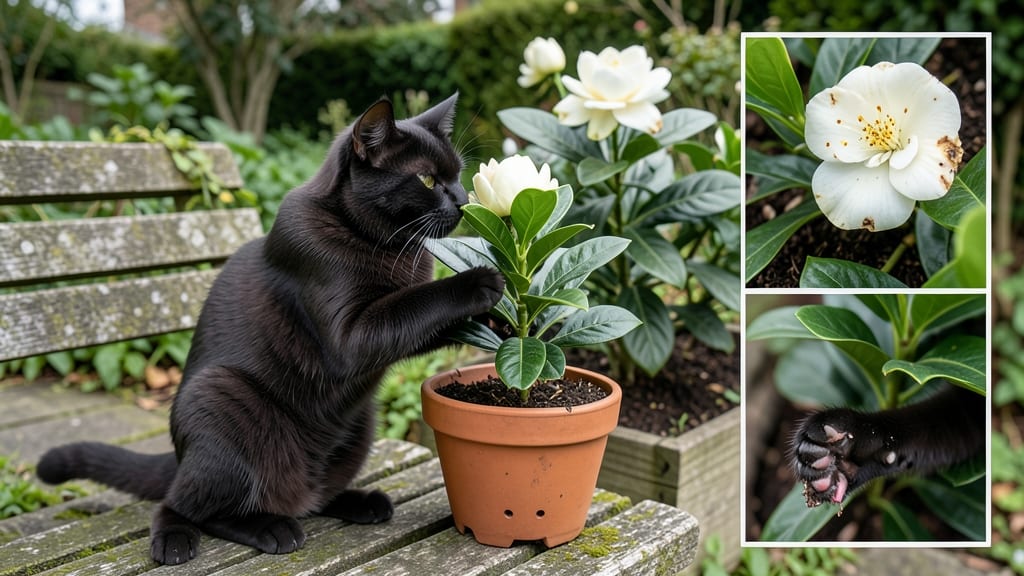
Gardenia plants are toxic to cats because their leaves and flowers contain harmful saponins and alkaloids, which can trigger vomiting, drooling, and lethargy if chewed or ingested. To protect your pet, place these plants out of reach or choose safer alternatives like spider plants or Boston ferns.
When cats nibble on gardenia leaves or flowers, the saponins irritate their digestive system, while alkaloids can disrupt their nervous system. 🐱 Symptoms often appear within hours and may include excessive drooling, diarrhea, or weakness—though severe cases requiring vet attention are rare.
I’ve seen cats lose interest after tasting gardenias, but curiosity can lead to accidental poisoning, especially with large ingestions.
If you love the look of gardenias but have a curious feline, consider pet-safe alternatives like calathea or African violets, which thrive indoors without posing risks. These plants offer similar lush foliage and fragrance (in some cases) while keeping your home cat-friendly.
💡 In This Article
- Toxic Compounds in Gardenia Plants and Their Effects on Cats
- Pet-Friendly Flowering Plants for Cat Owners
Toxic compounds in gardenia plants and their effects on cats
Gardenia plants contain two primary toxic compounds that pose risks to cats: saponins and alkaloids. Saponins create a soapy texture when mixed with saliva, which cats find unappealing but can still ingest. These compounds irritate the mouth, throat, and digestive tract, leading to immediate symptoms like drooling and vomiting.
Alkaloids, on the other hand, act as natural pesticides in the plant, disrupting a cat's nervous system and causing lethargy or weakness.
The severity of symptoms depends on the amount ingested.
A cat nibbling on a few leaves might experience mild drooling or stomach upset, while consuming an entire flower or large leaf could trigger more severe reactions, such as diarrhea, loss of appetite, or even depression. 🐾 In rare cases, large ingestions may lead to respiratory distress or heart rate abnormalities, requiring immediate veterinary care.
Gardenias are particularly dangerous because their sweet fragrance can attract curious cats, masking the plant's toxicity.
Saponins work by breaking down cell membranes in a cat's digestive system, causing inflammation and discomfort. This is why you might notice your cat pawing at their mouth or refusing food after contact.
Alkaloids, meanwhile, interfere with neurotransmitter function, which can lead to tremors or disorientation. The combined effects make gardenias a double threat—both physically irritating and neurologically disruptive.
If your cat shows signs of poisoning, act quickly by removing any remaining plant material and contacting your vet. Supportive care, like IV fluids or anti-nausea medication, is often sufficient for mild cases.
Always keep gardenias—and any toxic plants—in high, secure locations where cats can't reach them. Even a small taste can be enough to make a cat feel unwell, so prevention is key.
Interestingly, gardenias are also toxic to dogs and horses, though cats are particularly vulnerable due to their smaller size and sensitive digestive systems. The ASPCA lists gardenias as a moderate hazard, meaning they require careful monitoring.
Unlike some plants that cause immediate, dramatic reactions, gardenia toxicity often unfolds gradually, making it easy to miss until symptoms become noticeable.
To put it in perspective, a single gardenia leaf contains enough saponins to cause noticeable discomfort in an average-sized cat.
The plant's glossy, dark green leaves and creamy white flowers might look harmless, but their chemical makeup is anything but. 🌿 This is why pet owners should treat gardenias with the same caution as lilies or poinsettias—both well-known cat toxins.