
Fertilization
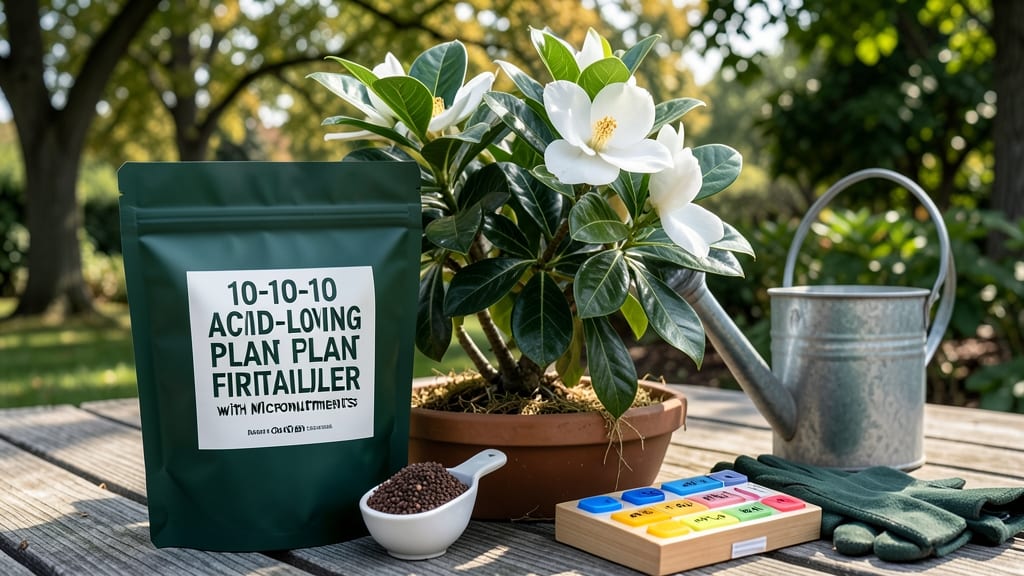
To keep your gardenia blooming with those fragrant, creamy-white flowers 🌸, the fertilizer ratio is the game-changer—too much nitrogen and you’ll end up with lush leaves but no flowers, while the wrong balance stunts growth entirely.
Struggling to get your gardenia to bloom with those intoxicating, fragrant flowers? The secret often lies in getting the gardenia fertilizer ratio just right—too much nitrogen and you’ll get lush leaves but no blooms, while the wrong balance can stunt growth entirely.
Most gardeners overlook the 6-4-8 NPK ratio that works best for these tropical beauties, especially in Zones 9-11 (or protected Zone 6+). Too much phosphorus? You’ll choke the roots. Too little potassium? Your blooms will fade fast.
Below, I’ll break down the exact ratios, when to feed, and how to spot over- or under-fertilization so you can keep your gardenia thriving—and smelling like a summer paradise.
Understanding the perfect N-P-K ratio for gardenia blooms
If your gardenia is throwing lush green leaves but refuses to bloom, your fertilizer ratio is likely the culprit. Gardenias thrive on a precise balance of nitrogen (N), phosphorus (P), and potassium (K)—too much nitrogen fuels foliage growth while starving blooms.
The magic number for gardenias is 6-4-8 NPK ratio, but let’s break down why this works and how to apply it correctly.
Phosphorus is the bloom booster—it encourages root development and flower production. Potassium strengthens the plant’s resistance to disease and stress, while nitrogen (in moderation) supports leafy growth. The key is understanding seasonal adjustments and reading fertilizer labels like a pro to avoid common mistakes that can harm your gardenia.
Most gardeners overlook the importance of acid-loving plant fertilizers for gardenias. These plants prefer slightly acidic soil (pH 5.0–6.5), and a fertilizer with sulfur or iron helps maintain this balance. A 6-4-8 ratio ensures you’re not overloading nitrogen while still providing enough phosphorus for blooms and potassium for overall health.
Here’s how to decode fertilizer labels: The three numbers represent the percentage of nitrogen, phosphorus, and potassium by weight. For example, a 10-10-10 fertilizer has equal parts of each, while a 30-10-10 is heavy on nitrogen—terrible for gardenias. Always choose a low-nitrogen, high-phosphorus formula specifically designed for flowering plants.
Seasonal timing is critical. In spring and early summer, when gardenias are actively growing, use your 6-4-8 fertilizer every 4–6 weeks. Reduce feeding in late summer to allow the plant to prepare for dormancy.
Avoid fertilizing in fall and winter, as this can encourage tender new growth that won’t survive cooler temperatures.
Organic options like fish emulsion (5-1-1) or bone meal (3-15-0) can supplement synthetic fertilizers, but they require careful application. Bone meal, for instance, is high in phosphorus but lacks potassium—so pair it with a potassium-rich fertilizer like wood ash (use sparingly) or a balanced organic blend.
| Season | Recommended NPK Ratio | Frequency | Notes |
|---|---|---|---|
| Spring (March–May) | 6-4-8 or 8-3-9 | Every 4 weeks | Encourages new growth and blooms |
| Summer (June–August) | 4-6-8 or 5-3-6 | Every 6 weeks | Reduced nitrogen to promote blooming |
| Fall (September–November) | None | N/A | Allow plant to harden off |
| Winter (December–February) | None | N/A | Dormant period—no feeding |
| Pro Tip: Always water thoroughly before and after applying fertilizer to prevent root burn. | |||
One of the biggest mistakes gardeners make is over-fertilizing, which can lead to leaf burn or stunted blooms. Always follow the label instructions for application rates—typically 1 tablespoon per plant or per square foot of soil.
If you notice yellowing leaves or brown leaf edges, flush the soil with water to dilute excess salts.
For container-grown gardenias, use half the recommended dose since pots have limited soil volume. Mix a slow-release fertilizer into the soil at planting time for steady nutrition. Pair this with regular mulching (using pine bark or compost) to maintain soil acidity and moisture levels.
Signs of under-fertilization include pale leaves, slow growth, and sparse blooms. If your gardenia looks weak, switch to a higher-phosphorus fertilizer like 10-30-20 for a month to jumpstart flowering. Just remember: gardenias are sensitive, so always reintroduce fertilizers gradually.
Finally, pair your NPK balance with proper watering practices. Gardenias hate soggy soil but also can’t tolerate drought. Water deeply in the morning to allow foliage to dry before evening, reducing fungal risks.
With the right fertilizer ratio and care, your gardenia will reward you with abundant, fragrant blooms year after year.
Step-by-step guide: how to apply gardenia fertilizer correctly
Gardenia plants thrive when fed with the right fertilizer ratio at the right time. Unlike many plants, they need a low-nitrogen, high-phosphorus blend to encourage blooming instead of leafy growth.
I’ve learned the hard way that skipping this step results in lush foliage but zero fragrant blooms—so let’s fix that!
Before you grab any fertilizer, test your soil’s pH (gardenia loves acidic soil between 5.0-6.5). A simple home soil test kit (around $10) will tell you if you need to adjust pH with sulfur or peat moss.
Organic options like fish emulsion or bone meal work wonders, but synthetic acid-loving fertilizers (like 6-4-8 NPK) are faster-acting for quick results.
🌱 Step-by-Step Fertilizer Application for Gardenias
- 1 Choose the Right Fertilizer: Use a balanced acid-loving fertilizer (e.g., 6-4-8 NPK) or organic options like fish emulsion (5-1-1) or cottonseed meal (1-2-1). Avoid high-nitrogen lawn fertilizers—they’ll kill your blooms!
- 2 Apply in Early Spring: Start feeding when you see new growth (typically late April or May). Mix 1 tbsp of fertilizer per plant (or per 1 sq ft for containers) into the top 2 inches of soil.
- 3 Feed Every 4-6 Weeks: During the growing season (spring-summer), repeat the process. Reduce to every 8 weeks in summer if your gardenia is in full sun to prevent root burn.
- 4 Stop in Fall: Halt fertilizing 6-8 weeks before first frost. This helps harden off the plant for winter dormancy. Zero fertilizer in winter—your gardenia won’t thank you for waking it up too early!
- 5 Water After Applying: Always deep-water your gardenia after fertilizing to help nutrients reach the roots. Aim for 1-2 gallons per plant in the morning to avoid fungal issues.
- 6 Watch for Signs: Yellow leaves = over-fertilizing. No blooms = too much nitrogen. Adjust your NPK ratio or feeding schedule accordingly.
Pro tip: If your gardenia is potted, flush the soil with water every 3 months to prevent salt buildup from synthetic fertilizers. I use a slow-release fertilizer like Osmocote Plus for containers—it cuts down on the hassle of monthly applications.
Remember, organic fertilizers like composted manure or worm castings take longer to work but improve soil health over time. For a quick bloom boost, switch to a high-phosphorus fertilizer (like 5-10-5) for 2-3 feedings before the peak blooming season (late spring to early summer).
With the right gardenia fertilizer ratio and timing, you’ll be rewarded with glorious, fragrant blooms that’ll make your garden smell like a tropical paradise! 🌸