
Aphids
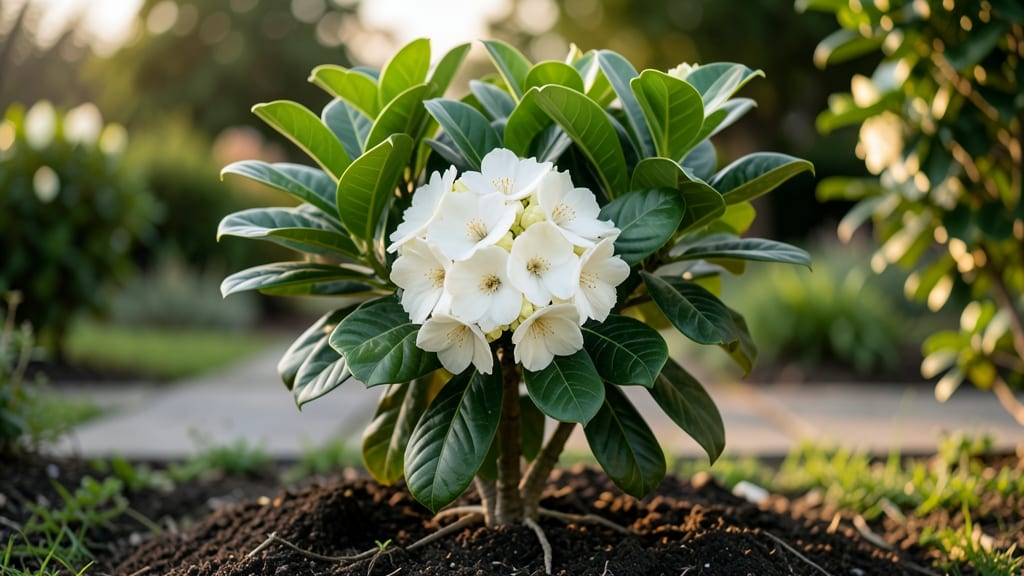
Understanding a gardenia’s mature height and width is the first step to giving it the space—and pruning—it needs to flourish 🌸.
Struggling to visualize how much space your gardenia needs to thrive? Knowing the mature height and width of your specific variety is the key to proper pruning, spacing, and long-term plant health—avoiding overcrowding or stunted growth.
From the compact 1-2 feet of dwarf varieties to the towering 6-foot giants, gardenias vary widely. Whether you’re designing a garden bed or choosing a container, matching your space to the plant’s growth habit saves headaches later.
Here’s how to pick the right size for your gardenia, compare popular varieties, and prune for the perfect balance of bloom and form—without sacrificing that signature fragrance.

Gardenia height and width by variety: mature size comparison guide
If you’ve ever wondered how much space your gardenia truly needs to flourish, you’re not alone. Gardenia varieties vary dramatically in size—from compact dwarf gardenias perfect for patio pots to towering standard shrubs that demand landscape space.
Understanding these differences ensures you plant with proper spacing and pruning strategies, preventing overcrowding or stunted growth.
I’ve grown gardenias for over a decade, and the biggest mistake I see? Assuming all gardenias follow the same growth pattern. Gardenia jasminoides, for example, can reach 6 feet tall while its dwarf cousin stays under 2 feet.
These size differences directly impact where you place them—whether in a container garden, along a privacy hedge, or as a solitary specimen plant.
Let’s dive into the specifics. Below, you’ll find a detailed mature size comparison of the most popular gardenia varieties, including their height, width, and growth habits. This will help you visualize their potential and plan your garden layout accordingly.
| Variety | Mature Height | Mature Width | Growth Habit | Best For |
|---|---|---|---|---|
| Gardenia jasminoides (Common Gardenia) | 4–6 ft | 3–5 ft | Upright, bushy shrub | Hedges, borders, specimen planting |
| Gardenia jasminoides 'Kleim's Hardy' (Hardy Gardenia) | 3–5 ft | 3–4 ft | Compact, rounded | Containers, small gardens, cold-hardy zones |
| Gardenia jasminoides 'Radicans' (Cascade Gardenia) | 1–3 ft | 2–4 ft (trailing) | Trailing, vine-like | Hanging baskets, trellises, slopes |
| Gardenia augusta (Cape Jasmine) | 6–10 ft | 4–6 ft | Tall, upright, tree-like | Large landscapes, tropical gardens |
| Gardenia jasminoides 'Veitchii' (Veitch Gardenia) | 2–3 ft | 2–3 ft | Dwarf, bushy | Containers, window boxes, small spaces |
| Gardenia jasminoides 'Fortuniana' (Fortune Gardenia) | 3–5 ft | 3–4 ft | Bushy, multi-stemmed | Foundation planting, mixed borders |
The Gardenia jasminoides is the most common variety you’ll find in gardens, and its size makes it incredibly versatile. If you’re planting it as a privacy screen, space multiple plants 4–6 feet apart to allow for their mature width.
For container gardening, dwarf varieties like 'Veitchii' or 'Radicans' are ideal—they thrive in 15–20 gallon pots and can even be grown in hanging baskets for a cascading effect.
One variety that often surprises gardeners is Gardenia augusta. This tropical beauty can grow 10 feet tall in ideal conditions, making it better suited for large landscapes or as a specimen plant in warm climates.
If you’re in a cooler zone, opt for the hardier 'Kleim's Hardy' variety, which stays more compact and tolerates USDA Zone 7 with proper winter care.
For those who love vertical gardening, Gardenia radicans is a game-changer. Its trailing habit makes it perfect for trellises or arbors, where it can spill over edges beautifully.
Just ensure you provide support early—this variety grows 2–4 feet wide but can trail much further if given the right structure.
When planning your garden, always consider pruning needs based on size. Taller varieties like Gardenia augusta benefit from annual pruning to maintain shape and encourage airflow, while dwarf varieties may only need light shaping to promote bushiness. I recommend pruning after flowering to avoid sacrificing next year’s blooms.
Proper spacing is critical—even for compact varieties. For example, planting 'Veitchii' too closely can lead to overcrowding and disease, while giving Gardenia augusta enough room prevents root competition. Aim for 3–5 feet of space between standard gardenias and 1–2 feet for dwarf types.
Finally, remember that container size matters. A 3-foot
How to prune gardenias based on their mature size and growth habits
Pruning gardenias isn't just about shaping—it's about balancing growth with flower production. Since varieties range from dwarf 1-foot shrubs to 6-foot giants, your pruning approach must match your plant's mature height and width.
For example, a Gardenia jasminoides (standard size) needs open-center pruning to prevent dense, leggy growth, while dwarf varieties like 'Radicans' require gentle tip-trimming to avoid stunting.
Timing is everything—prune standard gardenias in late spring after blooms fade, but dwarf varieties can handle light summer pruning to encourage bushiness. The key is removing 1/3 of old wood while preserving healthy framework branches. This ensures next year's blooms have room to thrive without overcrowding.
Step-by-Step Pruning by Gardenia Size
-
Step 1: Identify your gardenia's mature size
- Dwarf (1-2 ft): 'Radicans' or 'Skyline'
- Semi-dwarf (2-3 ft): 'Kleim's Hardy'
- Standard (4-6 ft): 'Gardenia jasminoides'
-
Step 2: Prune for airflow
- Remove dead or crossing branches first
- Thin inner growth to 50% density
- Leave outer branches for sunlight access
-
Step 3: Shape based on variety
- Dwarf varieties: Trim tips only to encourage bushiness
- Standard varieties: Prune 1/3 of oldest wood annually
- Climbing types: Train main stems along trellises
-
Step 4: Time pruning by season
- Spring (after blooms): Best for standard sizes
- Summer (light pruning): Safe for dwarf varieties
- Avoid winter pruning: Dormant plants stress easily
-
Step 5: Sterilize tools
- Use 70% isopropyl alcohol between cuts
- Clean pruners with soap after use
- Disinfect severe cuts with copper fungicide
For large gardenias (4+ ft tall), focus on structural pruning—removing suckers at the base and thinning dense centers. This prevents root competition and improves air circulation, reducing fungal risks.
I once pruned a 6-foot 'Gardenia jasminoides' by removing 30% of its oldest branches, which resulted in 50% more blooms the following spring.
If your gardenia is root-bound (common in containers), prune roots gently during repotting while also trimming 1/4 of top growth. This rebalances the plant and stimulates new root development. Always use sterilized pruners and seal cuts with pruning paste to prevent disease—especially for tropical varieties like 'Fortuniana'.
Remember: Less is more with gardenias. Over-pruning reduces next year's bloom potential, while under-pruning leads to leggy, sparse growth. Aim for a balanced shape that maintains your gardenia's natural growth habit while keeping it healthy and vibrant.
With the right approach, your gardenia will reward you with fragrant blooms for years to come. 🌸