
Advice
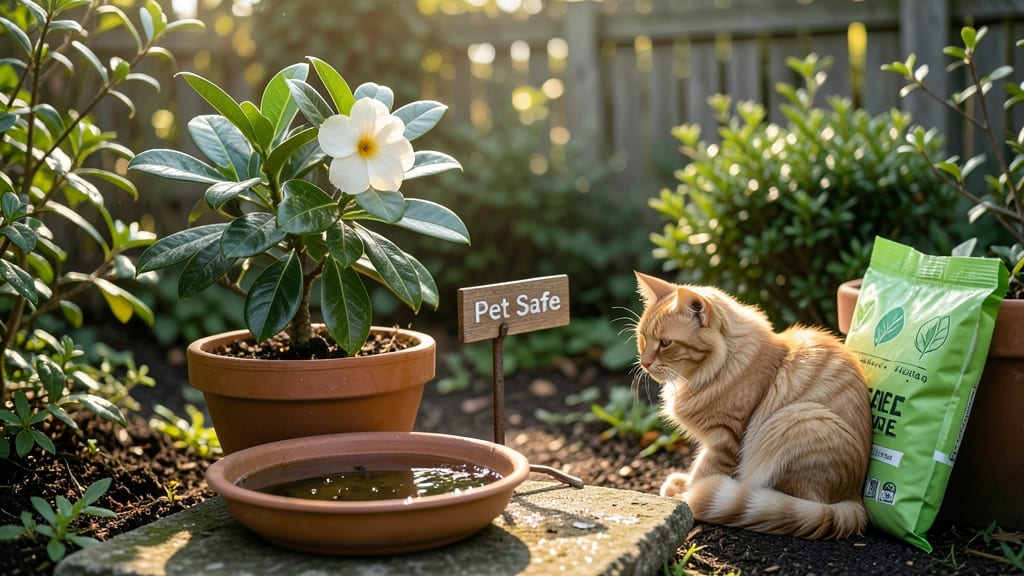
Gardenia plants are not pet-safe—both the leaves, flowers, and seeds contain toxic compounds like saponins and cyanogenic glycosides that can cause vomiting, diarrhea, or lethargy in pets if ingested. Keep them out of reach of cats, dogs, and small animals.
If you're a pet owner with a green thumb, gardenias might be tempting for their fragrant blooms—but their beauty comes with serious risks. 🚨 The saponins in these plants can irritate your pet's mouth, throat, and digestive system, while cyanogenic glycosides may trigger more severe reactions like tremors or difficulty breathing in larger pets.
Even small nibbles can lead to discomfort, so it's best to err on the side of caution and opt for pet-friendly alternatives like spider plants or African violets that won't put your furry friends in danger.
What's especially concerning is how quickly symptoms can appear—some pets show signs within minutes of ingestion, while others may take hours. 🐾 If you suspect your pet has eaten any part of a gardenia plant, contact your vet immediately, even if symptoms seem mild at first.
Prevention is key here: placing these plants in areas your pets can't access is the safest approach for both your garden and your four-legged family members.
💡 In This Article
- Toxic Compounds in Gardenia Plants and Their Effects on Pets
- Safe Alternatives to Gardenias for Pet-Friendly Gardens
Toxic compounds in gardenia plants and their effects on pets
Gardenia plants contain two primary toxic compounds that pose serious risks to pets: saponins and cyanogenic glycosides.
Saponins create soapy-tasting foam when mixed with fluids, which irritates the mouth and digestive tract, causing immediate drooling and vomiting. 🌿 These compounds disrupt cell membranes in your pet's gastrointestinal lining, leading to inflammation and pain.
Even a small leaf nibble can trigger these reactions within 30-60 minutes, with symptoms lasting up to 24 hours.
The cyanogenic glycosides in gardenias are even more concerning because they release cyanide when metabolized.
This affects your pet's liver and kidneys, where these organs struggle to process the toxin efficiently. 🐶 In larger breeds like Labrador Retrievers, even moderate exposure might cause lethargy or weakness, while smaller pets like Chihuahuas could experience more severe reactions like tremors or seizures due to their lower body mass.
The flowers contain the highest concentration of these toxins, making them particularly dangerous if ingested.
Symptoms typically appear within minutes to hours after ingestion and may include excessive drooling, pawing at the mouth, diarrhea, or even collapse. 🚑 If you notice these signs, seek veterinary care immediately—some cases require activated charcoal to bind the toxins before they're absorbed.
The severity depends on how much your pet ate and their size, but even small amounts can cause significant distress. This is why gardenias should never be placed at ground level or in areas accessible to curious paws.
What makes gardenias especially tricky is their appealing fragrance, which can attract pets to investigate.
The sweet scent of the flowers masks the plant's toxicity, making it harder for owners to recognize the danger. 🌸 Unlike some toxic plants that have bitter tastes, gardenias don't provide immediate feedback when chewed, increasing the risk of accidental poisoning.
This is particularly true for cats, who may groom their paws after touching the plant and then ingest the toxins.
Breed-specific risks also play a role. Pets with pre-existing liver conditions, like certain terriers or older dogs, may react more severely to cyanogenic glycosides. 🐱 The ASPCA reports that even small exposures can lead to hospitalization in these cases.
The key is prevention—keeping gardenias in hanging baskets or elevated planters removes the temptation for pets to investigate. If you already have gardenias, consider moving them to areas your pets can't access, like high shelves or outdoor spaces with secure fencing.
Understanding these mechanisms helps pet owners make informed decisions about their home environments.
The toxins in gardenias aren't just about immediate symptoms—they can lead to long-term organ strain if not addressed promptly. 💡 This is why many veterinarians recommend removing gardenias entirely from homes with pets, especially those with a history of chewing plants.
The peace of mind is worth the trade-off for your pet's safety.