
Tools
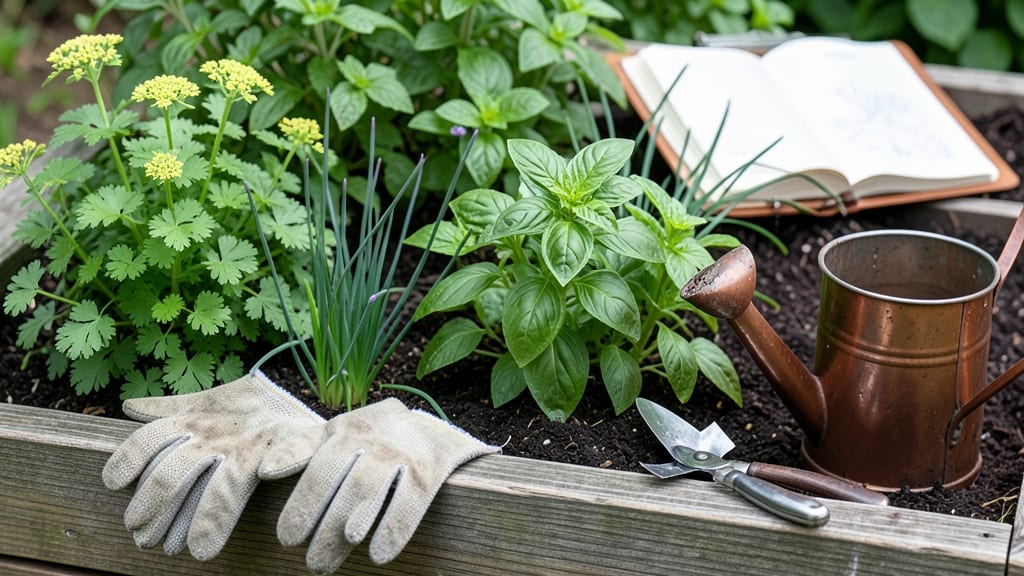
Gardening classes near you for adults provide expert-led, hands-on training in organic methods, container gardening, and seasonal planting—perfect for beginners or hobbyists. Check community centers, botanical gardens, or local nurseries for beginner-friendly workshops.
Finding the right gardening class near you means balancing practical skills with your personal goals—whether you want to grow vegetables, master pruning, or design a pollinator-friendly yard. 🌱 Many programs include tool demonstrations and take-home plant starts, so you can apply what you learn immediately.
I always recommend calling ahead to ask about class sizes and whether they offer follow-up support, as smaller groups often mean more personalized attention.
Local extension offices and master gardener programs frequently host affordable sessions, while botanical gardens may offer themed series like "Edible Landscaping" or "Low-Maintenance Plants." Pro tip: Look for classes that include a tour of their demonstration gardens—this gives you real-world examples of techniques discussed in class.
💡 In This Article
- Types of Adult Gardening Classes Available Locally
- How to Find and Choose the Best Gardening Class Near You
Types of adult gardening classes available locally
Local gardening classes for adults typically fall into three main categories, each designed to meet different skill levels and interests. Beginner workshops focus on foundational skills like soil composition, composting techniques, and basic plant propagation.
These sessions often include hands-on activities such as building simple raised beds or mixing custom soil blends using a 1:1:1 ratio of topsoil, compost, and perlite—a formula that ensures proper drainage while retaining moisture. 🌱 The sensory experience of working with fresh compost, rich with earthy aromas and crumbly texture, makes these classes particularly engaging for newcomers.
For those looking to deepen their expertise, specialized courses like permaculture design or urban farming offer advanced techniques.
Permaculture classes, for example, teach principles like swales (water-harvesting trenches) and guild planting (pairing plants that mutually benefit each other), which can increase your garden's yield by up to 30% while reducing water usage.
Urban farming workshops often cover hydroponics or vertical gardening, using systems like NFT (Nutrient Film Technique) channels where plants grow in shallow streams of nutrient-rich water, saving space and resources.
Seasonal gardening classes provide practical, time-sensitive knowledge tailored to your local climate. A spring workshop might focus on transplanting seedlings or managing pests like aphids, while fall sessions often cover winterizing perennials or preserving harvests through techniques like lacto-fermentation.
These classes frequently include field trips to demonstration gardens, where you can observe firsthand how techniques like mulching with straw (3-4 inches deep) protects roots during temperature fluctuations.
Don't overlook niche offerings that cater to specific interests, such as therapeutic gardening for stress relief or culinary herb cultivation for chefs. Therapeutic classes often incorporate sensory activities like blindfolded plant identification by touch or smell, helping participants connect more deeply with nature.
Meanwhile, herb-focused workshops might demonstrate how to propagate basil from cuttings in water, where you can see roots emerge within 7-10 days—a tangible reward for your efforts.
Many local programs also offer certification tracks, such as becoming a Master Gardener through cooperative extension services. These programs require 40-60 hours of coursework plus a practicum, but they provide unparalleled access to expert networks and discounted plants through university-affiliated nurseries.
The certification process typically includes a final project where you mentor others, reinforcing your learning through teaching.
What sets these classes apart is their emphasis on applied learning. Unlike passive lectures, most sessions include take-home materials like seed packets, pruning shears, or even small potted plants. For instance, a class on fruit tree pruning might provide a 1-gallon container tree so you can practice techniques immediately.
This hands-on approach ensures you leave with both knowledge and the tools to implement it.