
Tools
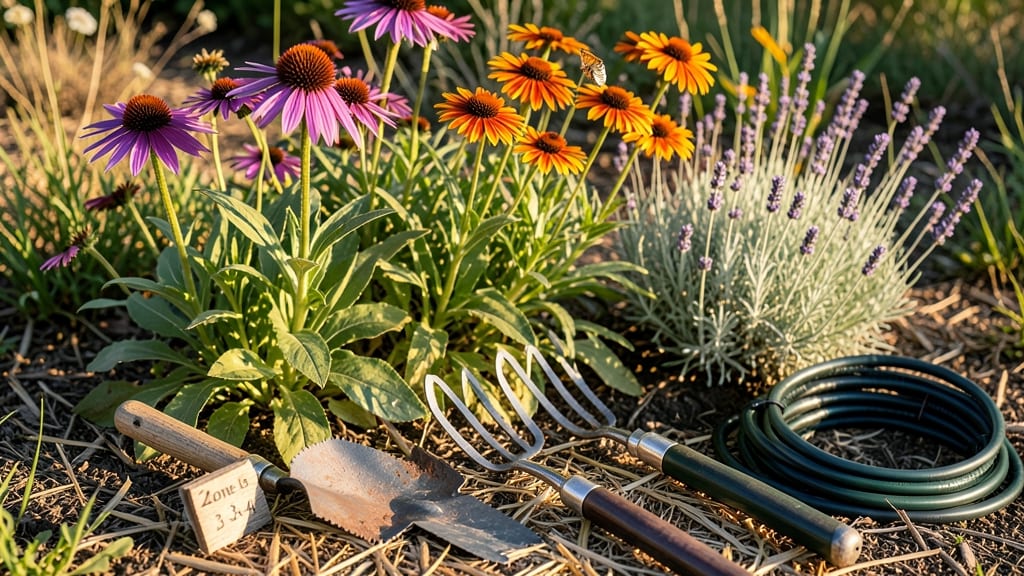
Gardening in Alberta demands careful planning for its short growing seasons, harsh winters, and clay-heavy soils. Focus on cold-hardy perennials, select sheltered planting spots, and enrich the soil with compost to thrive in Zones 3-5.
Alberta's climate—with last frost dates as late as mid-June in some areas—means you'll need to work with a 60-90 day growing window for most plants. 🌱 The key is choosing varieties that tolerate frost, like hardy kale or broccoli, and extending your season with cold frames or row covers.
Microclimates near buildings or slopes can also add crucial warmth for delicate plants.
Don't overlook soil prep—the province's heavy clay benefits from organic matter like compost or peat moss to improve drainage and fertility. Many experienced gardeners here swear by raised beds, which warm up faster in spring and give you more control over soil quality.
💡 In This Article
- Understanding Alberta’s Gardening Zones and Climate Challenges
- Top Cold-Resistant Plants and Vegetables for Alberta Gardens
Understanding Alberta’s gardening zones and climate challenges
Alberta spans USDA Hardiness Zones 3-5, meaning winter temperatures can plunge to -30°F to -40°F in some regions. Zone 3 (northern Alberta) has the shortest growing season—just 60-75 days between last frost and first frost—while Zone 5 (southern Alberta) offers slightly more time (90 days).
The difference might seem small, but it determines which plants will thrive or bolt prematurely. For example, tender lettuce varieties might survive 80 days in Zone 5 but fail in Zone 4.
Frost dates are your gardening calendar. In Calgary, average last frost occurs around May 15, while Edmonton sees it 2-3 weeks later. First frost typically arrives by September 15 in southern areas but can come as early as August 30 in the north.
Microclimates—like south-facing slopes or urban heat islands—can push these dates by 1-2 weeks, creating pockets where you can grow heat-loving plants like tomatoes in containers.
Alberta's clay-heavy soil holds moisture but drains poorly, creating waterlogged conditions that stunt roots. The solution? Amend with 3-4 inches of compost or peat moss before planting to improve aeration and fertility.
Many gardeners here use raised beds filled with a mix of 60% topsoil, 30% compost, and 10% perlite—this warms up 2-3 weeks earlier than native soil and gives plants a head start in the short season.
Wind is another challenge, especially in open prairie areas. A 6-foot-tall windbreak made of evergreens or lattice can protect delicate plants and reduce soil erosion. Even in sheltered spots, cold winds can lower perceived temperatures by 10°F, so choose compact, bushy varieties that recover quickly from frost.
For instance, Russian kale survives -25°F and keeps producing leaves, while Swiss chard regrows after light frosts.
Timing is everything in Alberta's climate. Plant cool-season crops like peas and spinach 4-6 weeks before last frost to take advantage of early soil warmth. Warm-season plants (tomatoes, peppers) need to wait until soil reaches 55°F—use a soil thermometer to track this.
In northern zones, start seeds indoors 8-10 weeks early under grow lights to extend the season.
Don't forget about snowmelt. Alberta's rapid spring thaws can cause nutrient runoff, so apply slow-release fertilizer in early spring or use organic matter like well-rotted manure that releases nutrients gradually. This prevents "flush" growth that weakens plants before they're established.