
Tools
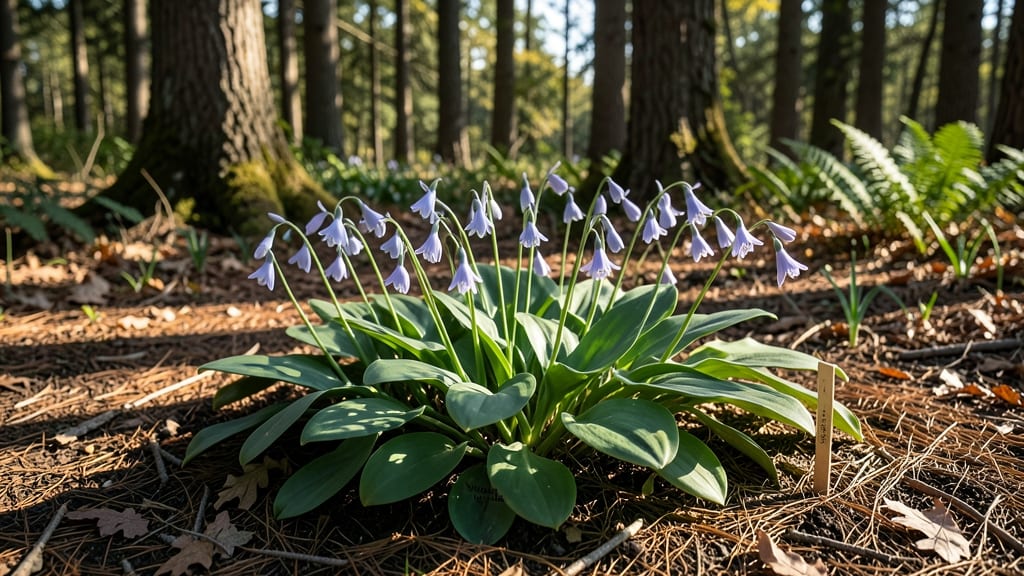
Gardening in Virginia thrives across USDA zones 4-8, with frost-free dates spanning mid-April in the south to late May in northern regions. Plant cool-season crops like lettuce in early spring and warm-season vegetables such as tomatoes after the last frost, typically between late April and early June. Adjust timing based on microclimates and elevation for optimal growth.
Virginia’s diverse geography means frost dates can vary dramatically even within short distances. 🌱 For example, Roanoke’s last frost typically arrives by April 15, while coastal Norfolk often sees frost-free conditions by March 15.
This variation is why gardeners here rely on local resources like the Virginia Cooperative Extension’s frost maps, which account for elevation shifts and urban heat pockets.
I’ve found that planting warm-season crops too early in the Piedmont region—where nights can still dip below 40°F—often leads to stunted growth, so I always wait until the May 10 average last-frost date for tomatoes and peppers.
Beyond frost dates, Virginia’s microclimates create unique opportunities. Coastal areas benefit from longer growing seasons, while higher elevations in the Blue Ridge Mountains may need cold-hardy varieties.
For instance, zones 7-8 in the south allow for year-round gardening of heat-loving plants like okra, whereas zone 4 areas in the northwest require extra protection for tender crops. The key is matching your location’s specific conditions to plant selection and timing.
💡 In This Article
- Virginia’s Planting Zones and Microclimates Explained
- Best Frost-Free Date Strategies for Virginia Gardens
Virginia’s planting zones and microclimates explained
Virginia’s gardening success hinges on understanding its USDA zones 4-8, which create wildly different growing conditions across just 400 miles of latitude.
The state’s geography—from the coastal plains to the Appalachian Mountains—means a zone 8 garden in Richmond can experience 10°F warmer winters than a zone 5 plot in the Shenandoah Valley.
Elevation plays a massive role: every 1,000 feet up in altitude drops temperatures by roughly 3.5°F, which is why mountain gardens often resemble those 100 miles north at sea level. 🌿
Microclimates further complicate things. Urban areas like Norfolk experience the "heat island effect," where pavement and buildings trap warmth, pushing frost dates 2-3 weeks earlier than rural areas just 10 miles away.
Meanwhile, the Piedmont region’s rolling hills create pockets where cold air settles, delaying spring planting by 1-2 weeks compared to flatter coastal zones.
For example, while zone 7b covers most of Virginia, the Blue Ridge Escarpment’s sudden elevation shifts can turn a zone 7 garden into a zone 6 challenge overnight.
The Virginia Cooperative Extension’s frost maps solve this puzzle by overlaying historical data with real-time tracking.
Their interactive tools show that while the state’s average last frost ranges from March 15 in Hampton Roads to May 10 in the mountains, microclimates can shift these dates by up to 21 days.
I’ve used these maps to adjust my tomato planting from April 20 in coastal Virginia to May 15 in the Piedmont—making the difference between thriving plants and frost-killed seedlings. 🌱
Plant selection must adapt to these variations. Coastal gardeners can grow sweet potatoes year-round in zone 8, while mountain gardeners in zone 5 need to choose cold-hardy varieties like ‘Winterbor’ kale (tolerates -20°F) or ‘Potomac’ broccoli (survives -15°F).
Even within zones, soil types differ: the sandy loam of the Tidewater region drains quickly, while the clay-heavy soils of the Piedmont retain moisture longer, affecting what thrives where.
Here’s how to use this knowledge practically:
- Check elevation: Use the Virginia Tech elevation tool to adjust your zone by 1-2 levels if you’re above 1,500 feet
- Observe microclimates: Note which areas in your yard stay colder longer (valleys) vs. warmer spots (south-facing slopes)
- Test your frost date: Plant basil as a frost indicator—it dies at 32°F, giving you a real-time warning
Don’t overlook the wind factor. Coastal areas experience stronger winds that dry soil and stress plants, while inland valleys can trap cold air. I’ve seen pepper plants in zone 7b near the coast thrive where identical plants in a sheltered valley needed row covers until June 1. The solution? Combine zone knowledge with on-the-ground observations for 3 years to refine your local growing calendar. 🌿