
Tools
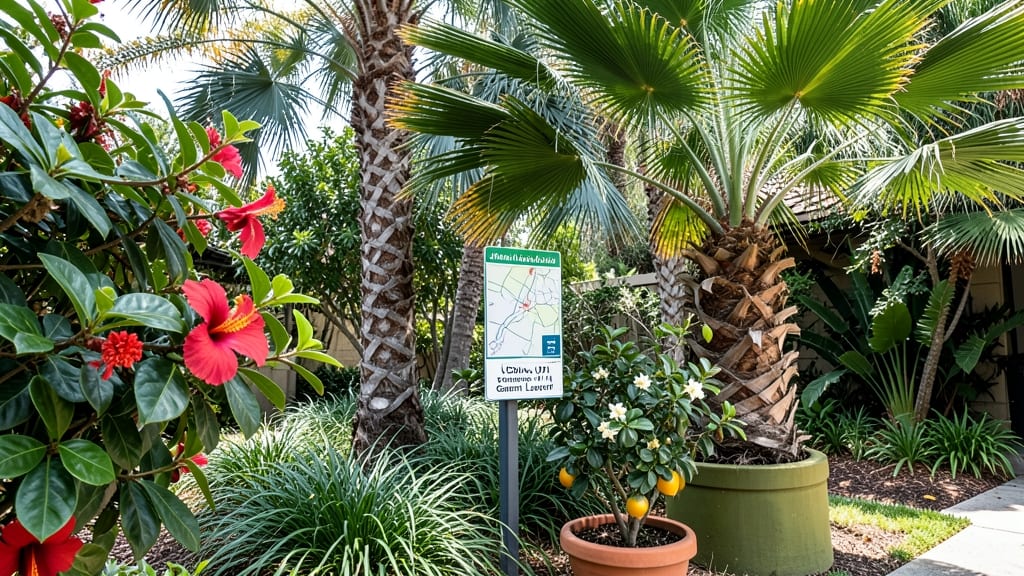
Gardening in Zones 10 and 11 lets you plant year-round thanks to frost-free conditions, but you'll need to adjust for tropical plants, heat-resistant crops, and humidity shifts to keep your garden thriving and pest-free.
These zones offer gardeners the unique advantage of nearly endless growing seasons, but the heat and humidity demand careful planning. 🌴 For example, tropical plants like hibiscus or banana trees flourish here, while subtropical varieties like citrus need protection from intense afternoon sun.
The key is understanding when to plant—like starting warm-season crops in early spring before the real heat hits—and how to manage irrigation, especially during the wetter summer months when fungal diseases like powdery mildew can spread quickly.
Microclimates play a huge role too. Coastal areas in these zones stay cooler and more humid than inland spots, so your plant choices should reflect that. I always recommend testing soil moisture regularly and mulching heavily to retain moisture while keeping roots cool.
With the right approach, you can enjoy fresh produce nearly every month of the year!
💡 In This Article
- Understanding Climate and Microclimates in Zones 10 & 11
- Year-Round Planting Schedule for Zones 10 & 11
Understanding climate and microclimates in zones 10 & 11
Zones 10 and 11 represent the warmest climates in the U.S., where average annual minimum temperatures stay above 30°F—meaning frost is virtually nonexistent. The real game-changers here are humidity levels and seasonal patterns.
Coastal areas like Hawaii or southern Florida experience 70-80% humidity year-round, while inland desert regions (e.g., Phoenix) can drop to 20-30% during summer
The tropical climate in these areas supports plants that thrive in high heat and moisture, like mango trees or water lilies, but subtropical crops (citrus, avocados) also do well with proper shade during peak 100-110°F afternoons. The wet season (summer) brings 6-12 inches of rain monthly, while winters are drier—this shift demands irrigation adjustments to prevent root rot in heavy rains or drought stress during dry spells. 🌊 Microclimates add another layer: coastal gardens stay 5-10°F cooler than inland spots due to ocean breezes, while urban areas can be 5°F hotter from pavement heat. This is why a single property might host both tropical palms (cooler coastal side) and cacti (hotter inland side). Plant selection should account for these micro-variations—like choosing drought-tolerant succulents for sunny yards but moisture-loving ferns for shaded corners. Humidity also affects plant health: high moisture accelerates fungal growth (e.g., powdery mildew on roses), while low humidity stresses leafy greens. The solution? Mulch with 2-3 inches of organic matter to retain moisture in dry periods and improve soil drainage during wet ones. Air circulation from strategic pruning or windbreaks can further mitigate humidity-related issues. Seasonal timing matters too. In Zone 11, you can plant warm-season crops (tomatoes, peppers) any month, but coastal areas may need shade cloth during 110°F+ heatwaves. The key is observing local cues: when hibiscus flowers bloom reliably, it’s safe to plant heat-sensitive crops like basil. 🌿 For tropical plants, the rule is "plant when conditions match their native climate"—so banana trees thrive when daytime temps stay above 75°F and nights above 65°F. Subtropical plants like citrus need afternoon shade to prevent leaf scorch, while true tropicals (e.g., bird-of-paradise) can handle full sun year-round. What most gardeners overlook is how soil composition changes with microclimates: sandy soils dry out faster in hot inland areas, while clay soils hold too much moisture in humid coastal zones. Amending soil with compost (aim for 3-5% organic matter) bridges these extremes, creating a stable growing medium regardless of location within the zone.