
Tools
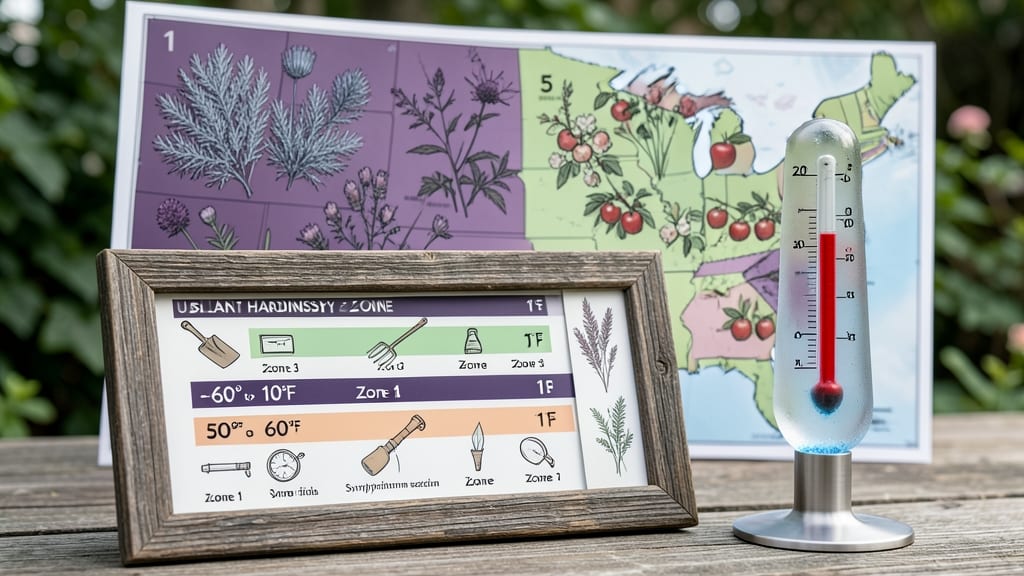
To find your US gardening zone, use the USDA Plant Hardiness Zone Map by entering your ZIP code or location, which shows your exact 5-11 zone range for plant survival based on average winter lows.
Knowing your gardening zone helps you select plants that thrive in your climate's average coldest temperatures. 🌱 The USDA map divides the country into 13 zones (1-13), with each zone representing a 10°F difference in winter hardiness.
For example, Zone 5 can handle -20°F to -10°F, while Zone 9 stays above 20°F. Microclimates—like urban areas or sheltered valleys—can shift your zone by a full number, so always verify with local weather data or a gardening app.
Once you've identified your zone, you can confidently choose perennials, shrubs, and trees that will survive winter in your area. This knowledge also helps time planting and pruning for optimal growth. For instance, cool-season crops like kale thrive in Zone 3 but may bolt in Zone 9's warmer winters.
💡 In This Article
- How USDA Plant Hardiness Zones Determine Plant Survival
- Tools and Methods to Locate Your Exact Gardening Zone
How USDA plant hardiness zones determine plant survival
The USDA Plant Hardiness Zone Map divides the country into zones based on the average annual minimum temperature—the coldest temperatures plants must survive in winter. Each zone represents a 10°F range, with Zone 1 enduring -60°F and Zone 13 staying above 60°F.
This system helps gardeners select plants that won’t die from extreme cold. For example, a Zone 5 plant like a peony can handle -20°F, while a Zone 9 olive tree needs to stay above 20°F to thrive. 🌡️
Winter hardiness is critical because plants enter dormancy in cold months, and their survival depends on not freezing solid. The USDA uses 30 years of temperature data (updated every 10 years) to create precise zones.
For instance, a Zone 6 area might see -10°F winters, while a nearby Zone 7 area stays above 0°F. This 10°F difference can mean the difference between a thriving garden and a failed one. 🌿
Microclimates—small areas with unique conditions—can shift your zone by a full number. A south-facing wall might be 2-5°F warmer than the surrounding area, allowing Zone 6 plants to survive there. Conversely, low-lying areas or urban heat islands can create pockets of Zone 8 conditions in a Zone 7 region.
These variations explain why some plants flourish in one spot but fail just a few yards away. 🌞
Understanding your zone also helps with seasonal timing. Plants like tomatoes need 60-85 days of warm weather to mature, so gardeners in Zone 4 might start seeds indoors 8-10 weeks earlier than those in Zone 10.
Similarly, bulbs like tulips should be planted in Zone 5 by October, but in Zone 8, they can wait until November. ⏳
For perennials, knowing your zone ensures long-term success. A Zone 5 hosta won’t survive a Zone 9 winter, but a Zone 9 bougainvillea will die in Zone 4.
The map acts as a survival guide, helping you avoid costly mistakes. Always double-check local weather records or gardening apps for precise adjustments. 📊
Finally, the USDA zones don’t account for heat tolerance—some plants (like cacti) need Zone 10+ summers, while others (like wheat) thrive in Zone 3. This is why pairing your zone with sun exposure, soil type, and rainfall data creates the most accurate gardening plan. 🌎