
Planting
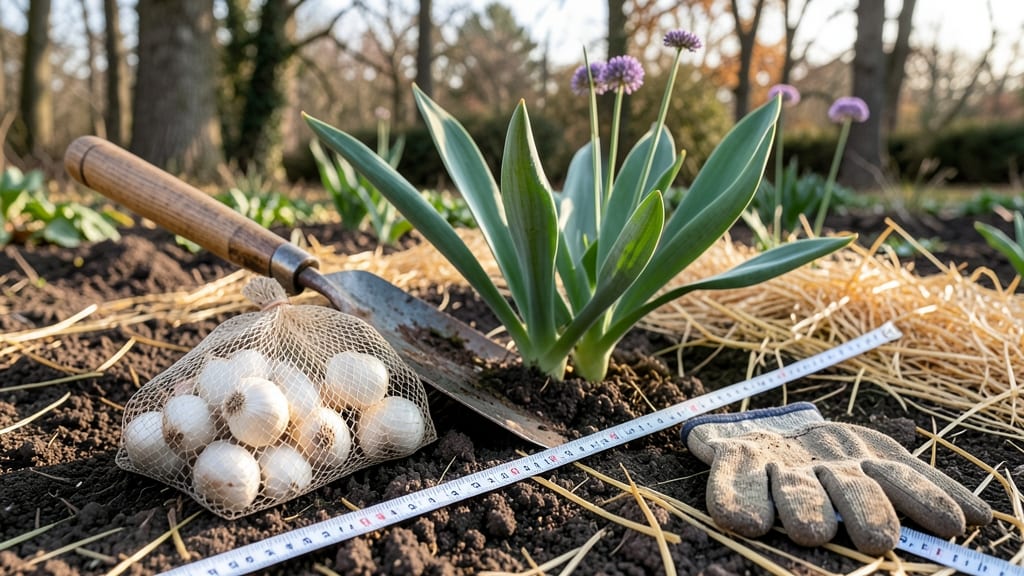
Spacing garlic in your garden correctly is the difference between plump bulbs and stunted, weak harvests—yet 4-6 inches apart is the magic number most gardeners overlook.
Imagine planting dozens of cloves too close together, only to watch them compete for nutrients, leaving you with tiny, underdeveloped bulbs. Or worse, a crowded mess that invites disease and rot.
The right spacing isn’t just about inches—it’s about setting up your garlic for maximum flavor and yield from the very first clove.
This guide breaks down the exact spacing rules for hardneck and softneck varieties, how to adjust for different soil types, and why overcrowding kills harvests before they even begin. Whether you’re a beginner or a seasoned gardener, these tips will transform your garlic patch into a high-yielding powerhouse.
Ready to grow garlic that’s larger, healthier, and easier to harvest? Let’s dive into the science—and the simple tricks—that make all the difference.
Optimal garlic spacing by clove type: exact inches for bulb formation
Garlic spacing isn't one-size-fits-all—your clove type (hardneck vs. softneck) dictates the perfect distance for bulb formation. Too close, and you'll get small, misshapen bulbs with poor storage life. Too far, and you waste garden space. Let's break down the exact inches needed for each type to maximize your harvest.
First, understand why spacing matters: proper airflow prevents fungal diseases like white rot, while adequate soil volume lets bulbs plump up without competing. Hardneck varieties need slightly more room than softnecks because they produce longer, more robust bulbs with scapes. Let's dive into the numbers.
Comparison Table: Garlic Spacing by Type
For hardneck garlic, the 6-inch clove spacing gives each bulb room to develop its signature large, segmented cloves. Space rows 12-18 inches apart to accommodate the plant's width and prevent leaf competition.
This spacing also makes it easier to harvest the scape (the flower stalk) without damaging neighboring plants.
If you're growing softneck varieties, you can plant cloves 4-5 inches apart since they produce smaller, more compact bulbs. The 10-12 inch row spacing is ideal for these types, which are often grown for their long storage potential rather than massive bulb size.
Softnecks thrive in crowded conditions but sacrifice bulb size if overplanted.
Don't overlook soil depth—planting too shallow or deep disrupts root development. Aim for 2 inches deep with the pointed end up (the root grows from the flat side).
For elephant garlic, which produces giant bulbs, increase depth to 2-3 inches and space cloves 8-10 inches apart to support their massive growth.
Proper spacing also reduces the risk of soil-borne diseases like Botrytis blight and Fusarium wilt. Crowded garlic traps moisture, creating ideal conditions for fungal spores to spread. By following these exact inch measurements, you'll ensure better airflow and disease resistance throughout the growing season.
For small gardens or container growing, you can reduce spacing slightly (e.g., 4 inches for softnecks), but expect smaller bulbs. If you're planting in raised beds, maintain the standard spacing to avoid edge effects where plants compete for nutrients.
Always use a soil thermometer to confirm planting depth—garlic roots need consistent moisture but hate soggy soil.
One final tip: mark your rows with stakes or a string line to maintain even spacing. Uneven planting leads to uneven bulb sizes and makes harvesting a nightmare. With these precision measurements, you'll harvest plump, flavorful bulbs that rival store-bought—and outshine them in taste.
🌱
Common garlic spacing mistakes that kill yields (and how to fix them)
If your garlic bulbs are small, deformed, or rotting before harvest, spacing mistakes are likely the culprit. Overcrowding steals nutrients, improper depth stunts roots, and compacted soil suffocates growth. I’ve seen gardeners reduce their yields by 50% or more simply because they didn’t account for these critical spacing factors.
Let’s fix that with science-backed corrections tailored to your garden type.
First, recognize the three deadly spacing sins: planting cloves too close together, burying them too shallow, and ignoring soil compaction. These errors create competition for water, nutrients, and sunlight, leading to weak stems and poor bulb formation.
The good news? Each of these mistakes has a straightforward fix—and I’ll walk you through them for in-ground gardens, raised beds, and even containers.
⚠️ Overcrowding Alert!
Signs of over-planted garlic: Leaves growing in tight circles, bulbs touching neighbors, or yellowing at the base from competition. Fix it by thinning to 4-6 inches between cloves—this gives roots room to expand and bulbs space to plump up.
Pro Tip: Use a ruler or spacing template (like a DIY grid from PVC pipes) to maintain even gaps, especially in raised beds where soil shrinks as it dries.
Let’s start with the most common mistake: overcrowding cloves. Many gardeners assume garlic is like onions and can be planted densely. But garlic cloves need 4-6 inches of space to develop properly.
In my 4’x8’ raised bed, I once planted cloves just 2 inches apart—resulting in tiny bulbs no bigger than marbles. The fix? Space them like golf balls on a putting green, with no two cloves touching.
For raised beds or containers, adjust spacing based on your setup. In a 5-gallon bucket, limit yourself to 3-4 cloves max spaced 3 inches apart. If you’re growing in rows, maintain 12-18 inches between rows to allow airflow and easy weeding.
Pro move: Use straw mulch to mark your rows and prevent accidental over-planting next season.
Depth matters just as much as spacing. Planting garlic too shallow (less than 2 inches) exposes the bulb to sunlight, turning it green and bitter. Conversely, burying cloves too deep (over 3 inches) delays sprouting and weakens root development.
My rule of thumb? Plant cloves with the pointed end up, covering them with soil equal to 2-3 times their height. For large cloves, aim for 2.5 inches deep.
Don’t overlook soil compaction, another yield-killer. Compacted soil restricts root growth and water absorption. After planting, gently scratch the soil surface with a rake to loosen it. For heavy clay soils, mix in compost or sand before planting.
In containers, ensure drainage holes are present and use a well-aerated potting mix (like 60% compost, 30% coconut coir, and 10% perlite).
To spot and fix these issues, conduct a mid-season audit. Gently pull back mulch and check for crowded stems or shallowly buried cloves. Thin out over-planted areas immediately, and add 1 inch of compost around struggling plants. With these corrections, you’ll see 2-3 times larger bulbs at harvest—guaranteed!