
Tools
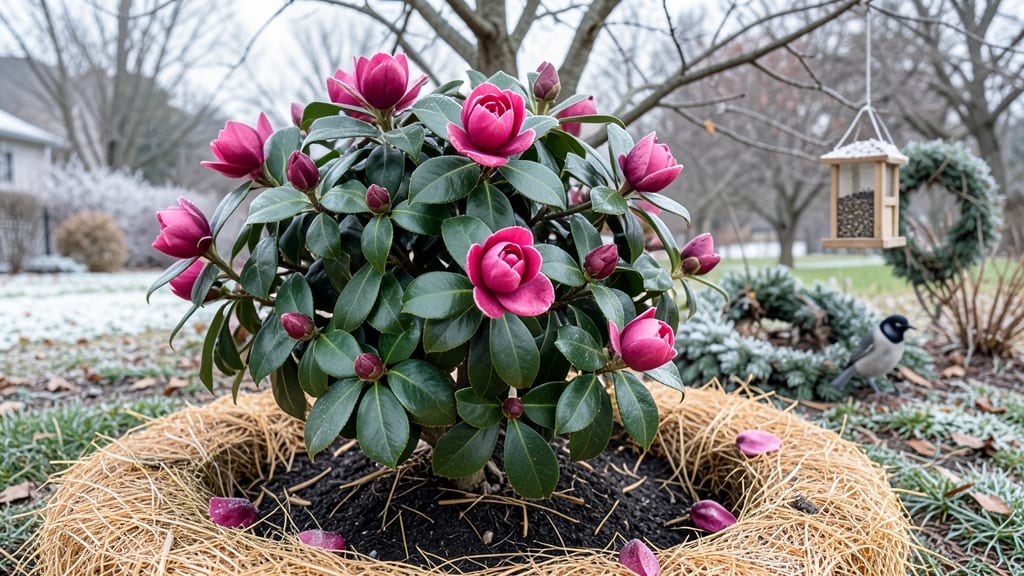
A Georgia winter garden succeeds by planting frost-tolerant vegetables like kale, spinach, and broccoli after the first frost (late October–November in Zones 7–8). Protect crops with row covers, plant new batches every 2–3 weeks, and harvest before hard freezes arrive in late January–February.
A successful Georgia winter garden relies on timing and the right cold-hardy crops. 🌱 The key is starting after the first frost when temperatures stabilize—this gives plants time to establish roots before winter sets in.
I've found that using lightweight row covers adds an extra layer of protection against unexpected cold snaps, which are common in Georgia's transitional climate. The succession planting strategy ensures a continuous harvest, so you're not left without fresh greens when spring planting begins.
What many gardeners overlook is how microclimates within Georgia can shift frost dates by weeks. For example, areas near the coast in Zone 8b may experience earlier planting windows compared to inland regions in Zone 7a. Always check your specific USDA zone and local frost records to fine-tune your schedule.
The goal is to maximize your growing season while avoiding the stress of extreme cold on young plants.
💡 In This Article
- Georgia’s Frost Zones and Winter Planting Windows
- Best Cold-Resistant Vegetables for Georgia Winter Gardens
Georgia’s frost zones and winter planting windows
Georgia spans USDA Hardiness Zones 7a through 8b, where frost dates vary dramatically. In Zone 7a (northwest Georgia), the first frost typically arrives around October 20-30, while Zone 8b (coastal areas) may see its first frost as late as November 15-25.
This 3-week difference means gardeners in Zone 8b can plant winter crops 2-3 weeks earlier than those in Zone 7a. The USDA Plant Hardiness Zone Map is your best tool for pinpointing exact dates in your specific area.
What makes Georgia's winter gardening tricky is the state's diverse microclimates. Coastal regions near Savannah and Brunswick experience milder winters with fewer hard freezes (-5°F or below), while inland areas like Athens or Dalton can drop to 10-15°F during cold snaps.
A 5°F difference in minimum temperatures means some crops thrive in coastal gardens but struggle inland. For example, collard greens can handle 20°F temperatures, while lettuce bolts at 25°F—critical to know when selecting varieties.
The ideal planting window for winter crops begins 2-4 weeks after the first frost, when soil temperatures drop to 50-55°F but haven't yet reached freezing. This timing allows seeds to germinate before the ground locks up.
I've found that planting in late October for Zone 7a and early November for Zone 8b gives most cold-hardy vegetables enough time to establish roots before winter's chill sets in.
The goal is to have plants reach maturity before the hard freeze period (typically January 15-February 15 in most of Georgia).
Row covers become your secret weapon during Georgia's unpredictable winter weather. These lightweight fabrics (made of spunbond polyolefin or polyester) raise temperatures under the cover by 5-10°F, extending the growing season by 4-6 weeks.
For example, a 30°F night might feel like 35-40°F under a cover—enough to protect tender greens like spinach or arugula. The key is using hoop tunnels or floating row covers that don't touch the plants, allowing for air circulation and preventing condensation buildup.
Succession planting every 2-3 weeks ensures a continuous harvest through winter. Here's how it works: Plant your first batch after the frost, then follow with 1/4-acre plots every three weeks. This staggered approach means you'll always have fresh greens coming in while others mature.
For example, if you plant 20 spinach seeds on October 25, follow with 15 more on November 15, then 10 more on December 5. By this method, you'll have spinach ready to harvest from November 15 through February 15—just as spring planting begins.
Watch for Georgia's signature winter weather patterns: the Arctic cold fronts that can drop temperatures 20°F in 24 hours. These sudden shifts are why I recommend monitoring the National Weather Service's frost advisory system.
When a hard freeze (-5°F) is forecast, cover your most sensitive crops with heavy blankets or move potted plants to protected areas. Even cold-hardy crops like kale will suffer if exposed to prolonged sub-zero temperatures for more than 48 hours.
Pro tip: Mark your calendar for January 15—this is when most of Georgia experiences its last hard freeze before temperatures stabilize. Plan to harvest your winter crops before this date to avoid quality loss.
The exception is overwintered crops like garlic or onions, which need cold exposure to develop properly. For these, let the ground freeze solid in late January, then cover with 6 inches of straw to protect through February.