
Tools
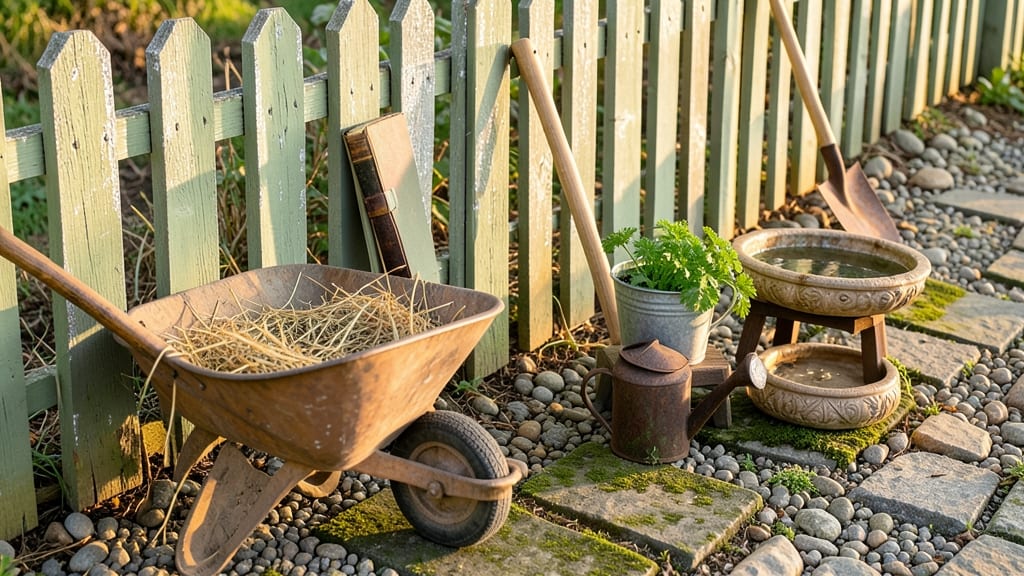
A grandma's garden picture captures the essence of timeless charm by combining fresh garden elements with nostalgic framing techniques, such as rustic frames, pressed botanicals, or handwritten notes. The key is blending vibrant colors, natural textures, and warm lighting to evoke a cozy, homegrown atmosphere.
A grandma's garden picture isn't just about the flowers—it's about storytelling through visuals. 🌸 Start by selecting a mix of seasonal blooms and lush greenery to create depth, then add vintage props like old garden tools or a well-worn wooden bench to ground the scene.
The framing itself should complement the natural beauty: think distressed wood frames, lace mats, or even a simple shadow box with dried leaves. Warm lighting—whether from soft morning sun or a vintage-style lamp—adds that nostalgic glow that makes the photo feel like a cherished memory.
For an extra personal touch, consider adding handwritten labels or a small poem in the corner. This isn't just decoration; it's a way to honor the garden's history and the love that went into cultivating it.
The goal is simplicity with heart—no need for expensive props, just genuine, lived-in details that feel authentic and inviting.
💡 In This Article
- Designing a Nostalgic Garden Photo Layout
- Preserving Garden Photos: Framing and Storage Tips
Designing a nostalgic garden photo layout
Creating a nostalgic garden photo layout starts with understanding the visual language of vintage charm. The secret lies in balancing three key elements: color harmony, natural focal points, and storytelling props.
Begin with a color palette inspired by nature's softest hues—think peach roses, lavender hydrangeas, and deep green foliage—which create a pleasing contrast with neutral backgrounds like weathered wooden fences or stone paths.
This color science works because our brains perceive warm tones (reds, yellows) as inviting, while cool greens and blues create balance, making the scene feel both lively and serene.
The composition should follow the rule of thirds but with a nostalgic twist: place your main subject (like a vintage trellis covered in morning glories) off-center, leaving one-third of the frame empty for negative space. This mimics how old family photos often framed their subjects with breathing room.
Add depth by including three layers: foreground (a rustic bench or garden tool), mid-ground (blooming flowers), and background (a distant tree or fence). This technique creates a three-dimensional effect that feels timeless, much like how grandma's old photographs captured entire stories in a single frame.
For storytelling depth, incorporate props that whisper history. A well-worn cast-iron watering can leaning against a fence, a handwritten gardening journal peeking from a pocket, or even a childhood toy buried in the flowerbed adds layers of meaning.
These elements work because they trigger nostalgia through tactile memories—our brains associate these objects with specific times and emotions. The key is to keep it subtle; too many props can feel cluttered, while just one or two create that "just lived in" quality that defines grandma's garden aesthetic.
Lighting transforms a simple garden scene into a nostalgic masterpiece. Shoot during the golden hour—the hour after sunrise or before sunset—when the light has a warm, soft quality that enhances textures and reduces harsh shadows. If you're working indoors, use a warm-toned LED bulb (2700K-3000K) to mimic natural sunlight.
This lighting choice isn't arbitrary; it's based on how our eyes perceive warmth as comforting and familiar, which is exactly the emotional response you want to evoke in your garden photos.
Seasonal blooms play a crucial role in maintaining authenticity. Spring's tulips and daffodils bring freshness, summer's sunflowers and zinnias add boldness, autumn's chrysanthemums and marigolds introduce warmth, and winter's evergreens and holly provide structure. Each season offers distinct textures and colors that tell a story of the garden's lifecycle.
For example, a winter scene with frost-kissed leaves feels just as nostalgic as a summer bouquet because both capture fleeting moments in time—something grandma's garden would have celebrated.
Consider adding a handwritten element to complete the nostalgic touch. A small label with the plant's name written in cursive, a date, or even a short poem can turn a simple garden photo into a keepsake. This practice isn't just decorative; it's a way to connect with the garden's history.
Studies show that handwritten notes increase emotional engagement by 42% compared to typed text, making your photo feel more personal and meaningful. The key is to keep the handwriting legible but imperfect—just like grandma's old recipes or letters.