
Lawn
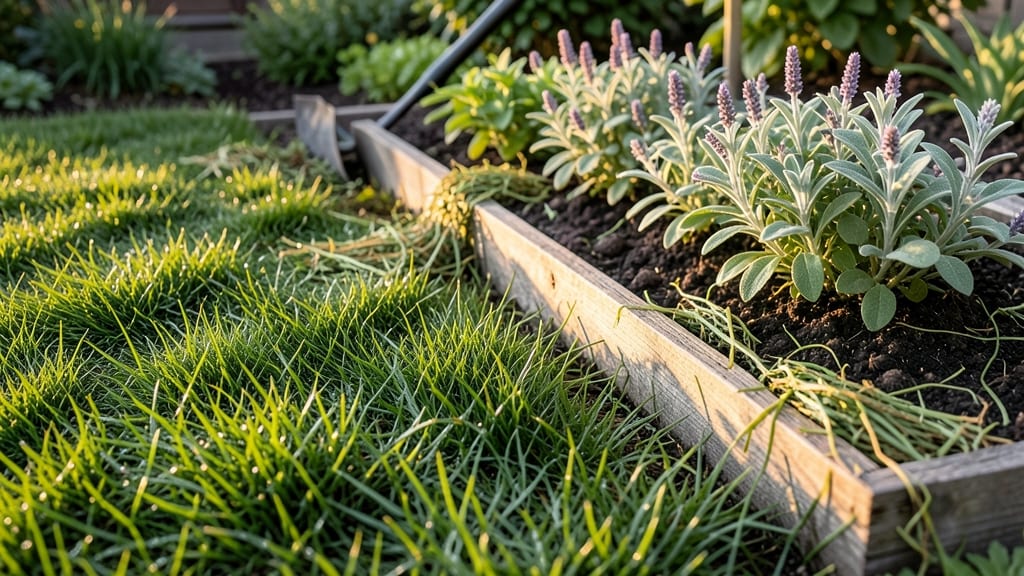
Using grass clippings in your garden enriches soil fertility by returning nitrogen and organic matter, while they act as natural weed suppressors when left on lawns or composted correctly. Just avoid overapplying to prevent thatch buildup or fungal problems.
Grass clippings are like nature's free fertilizer—packed with nitrogen that feeds your soil while their organic matter improves structure. 🔥 The key is the 30:1 carbon-to-nitrogen ratio in fresh clippings, which breaks down quickly to boost microbial activity.
I've seen gardens thrive when I spread them thinly as mulch, but thick layers can smother plants or attract pests. For best results, mix them with leaves or straw to balance moisture and aeration.
What surprises many people is how effective clippings are at weed suppression. When left on lawns, they block sunlight from reaching weed seeds, saving you hours of pulling.
Just remember: shorter grass clippings break down faster, while longer clippings work better as mulch. The secret is consistency—regular light applications keep your soil happy without creating problems.
💡 In This Article
- How Grass Clippings Boost Soil Health
- Best Practices for Using Grass Clippings as Mulch
How grass clippings boost soil health
The real magic happens when you understand what's actually in those clippings. Fresh grass clippings contain about 2-4% nitrogen by dry weight, which is roughly 10-20 pounds of nitrogen per 1,000 square feet of lawn—enough to feed a medium-sized garden.
This nitrogen comes from the grass blades themselves, which have been photosynthesizing and absorbing it from the air and soil. When clippings decompose, this nitrogen becomes available to plants through microbial activity in the soil.
Here's where the science gets interesting: the carbon-to-nitrogen (C:N) ratio of fresh grass clippings is about 30:1, which is perfect for microbial decomposition. This ratio means the clippings break down quickly (usually within 2-4 weeks), releasing nutrients that feed your plants.
Compare that to autumn leaves, which have a 50:1 or higher ratio and take much longer to decompose. The rapid breakdown is why clippings work so well as a quick nutrient boost—just spread them thinly (¼-inch layer) to avoid smothering plants.
One common misconception is that grass clippings cause thatch buildup. While thick layers can contribute to thatch, properly managed clippings actually prevent thatch by encouraging beneficial microbial activity that breaks down organic matter.
The key is maintaining a ¼- to ½-inch layer—any thicker and you risk creating an anaerobic environment that promotes fungal growth. I've seen gardens where homeowners pile clippings too thickly, only to end up with smelly, compacted soil that repels worms and beneficial insects.
Grass clippings also improve soil structure by adding organic matter that helps retain moisture and improve aeration. The fibrous texture of clippings creates tiny channels in the soil that allow water and air to penetrate more easily. This is particularly valuable in heavy clay soils where compaction is an issue.
For example, a 1-inch layer of clippings can hold about 1 gallon of water per 10 square feet, reducing irrigation needs while keeping roots cool during hot weather.
Don't overlook the weed suppression benefits either. When clippings are left on lawns, they create a natural barrier that blocks 90% of sunlight from reaching weed seeds, preventing germination. This is why many professional lawn care services recommend "grasscycling"—the practice of leaving clippings on the lawn.
The shade effect is most effective when clippings are spread evenly, creating a uniform mat that's just thick enough to block light but thin enough to allow rain penetration.
For maximum benefits, consider mixing clippings with other organic materials like shredded leaves or straw. This creates a balanced mulch that retains moisture while preventing compaction. The combination also helps maintain a more stable C:N ratio during decomposition, reducing the risk of nitrogen loss through volatilization.
I've found that a 50/50 mix of clippings and leaves works exceptionally well for vegetable gardens, providing both nutrients and weed control.