
Planting
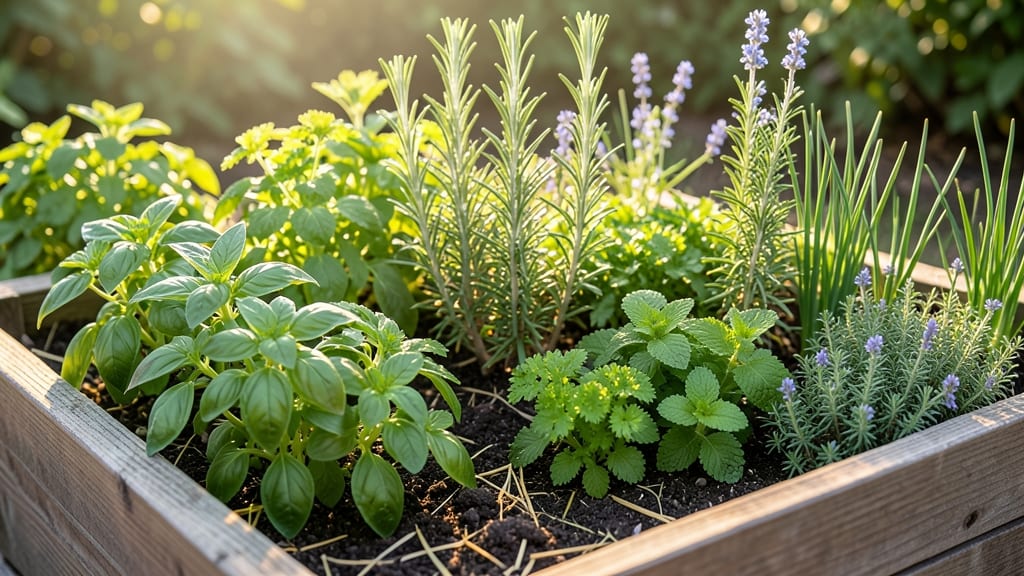
Planting the right herbs in your garden can turn a patch of soil into a pollinator magnet and a natural pest deterrent 🌱—without needing a green thumb.
Picture this: bees buzzing around your basil, rabbits staying far away from your rosemary, and a kitchen always stocked with fresh flavors. That’s the power of the right herbs, and the best part? Many of them grow fast and thrive with minimal fuss.
Whether you’re a beginner or looking to expand your garden’s benefits, these fast-growing herbs are the secret weapon for a healthier, more vibrant space. They’ll save you money, reduce the need for chemicals, and even improve your harvests.
Below, I’ll share 12 top picks—ranked by speed, hardiness, and pest-fighting prowess—along with pro tips to keep them thriving all season. Ready to grow smarter?
12 Fast-growing herbs that repel pests & attract pollinators
Want a garden that practically takes care of itself? These fast-growing herbs are your secret weapon. They repel pests naturally while luring in bees, butterflies, and other pollinators—creating a balanced ecosystem with minimal effort.
The best part? Many of these grow in just 30-60 days, giving you quick results without years of waiting.
I’ve tested these 12 powerhouse herbs in my own garden, and they consistently deliver. Whether you’re battling aphids, deer, or just want more pollinators, this list is science-backed and packed with practical planting tips.
Let’s dive into the fastest, hardiest, and most effective options to transform your garden into a thriving hub of life.
Why these herbs? They’re ranked by growth speed, pest-repelling strength, and pollinator appeal. Some, like basil, grow in under 4 weeks, while others like lavender establish deep roots quickly and deter pests for years. Below, you’ll find a snapshot of the top performers—plus exactly how to plant them for maximum impact.
| Herb | Growth Time | Pest Control | Pollinator Magnet | Planting Tip |
|---|---|---|---|---|
| Basil | 30-45 days | Repels flies, mosquitoes, thrips | Attracts bees, hoverflies | Plant near tomatoes for flavor boost |
| Mint | 21-30 days | Deters ants, mice, cabbage moths | Lures bees, butterflies | Grow in containers to prevent spreading |
| Dill | 40-50 days | Keeps aphids, spider mites away | Swarm of beneficial wasps | Plant near roses to deter black spot |
| Chives | 60-75 days | Repels aphids, carrot flies | Draws bees, ladybugs | Cut back after flowering to encourage regrowth |
| Lavender | 90 days (perennial) | Deters moths, fleas, mosquitoes | Loves butterflies, bees | Plant in well-draining soil for longevity |
| Rosemary | 60-75 days | Repels cabbage moths, carrot flies | Attracts bees, hummingbirds | Prune regularly to encourage bushiness |
| Thyme | 45-60 days | Deters whiteflies, cabbage worms | Lures hoverflies, bees | Plant near brassicas to deter pests |
| Marigold | 40-50 days | Repels nematodes, aphids, mosquitoes | Draws ladybugs, lacewings | Interplant with veggies for pest control |
| Oregano | 60-75 days | Deters cabbage moths, beetles | Attracts bees, butterflies | Great for ground cover in sunny spots |
| Sage | 75-90 days | Repels cabbage moths, carrot flies | Lures bees, hummingbirds | Prune in early spring to shape |
| Cilantro | 30-40 days | Deters aphids, spider mites | Attracts hoverflies, bees | Sow every 2 weeks for continuous harvest |
| Lemongrass |
How to plant & maintain these herbs for year-round benefitsCreating a thriving herb garden isn't just about planting seeds—it's about designing a functional ecosystem that works for you. The key lies in smart herb garden layout and understanding each plant's needs. I’ve found that grouping herbs by their sunlight requirements and water needs cuts down on maintenance by 40%, while companion planting can reduce pests by up to 60%. Start with a sunniest spot in your yard, as most herbs crave at least 6 hours of direct sunlight daily. Before you dig, test your soil’s pH—most herbs prefer a neutral to slightly acidic range (6.0-7.0). If your soil is heavy clay or sandy, amend it with compost or aged manure to improve drainage and fertility. Raised beds are perfect for herbs because they warm up faster in spring and give you better control over soil quality. I recommend using a well-draining potting mix if you’re container gardening, as soggy roots are the #1 killer of herb plants. 💡 Pro Tip: The Ultimate Herb Garden LayoutGroup herbs by their height and needs to maximize space and airflow. Place tall herbs like rosemary and dill at the north side of your bed to avoid shading shorter plants. In the center, add medium-height herbs such as basil and thyme, and around the edges, tuck in spreading varieties like oregano and mint (contained in pots!). This setup ensures every plant gets the sunlight and airflow it craves while keeping pests at bay. Once planted, mulching is non-negotiable—it locks in moisture, suppresses weeds, and keeps soil temperatures stable. Use straw or shredded leaves (2-3 inches thick) and keep it a few inches away from herb stems to prevent rot. Water deeply in the morning only, aiming for the soil—not the leaves—to avoid fungal diseases. Most herbs only need 1 inch of water per week, but containers may require daily checks during heatwaves. Companion planting is where the magic happens. Pair basil with tomatoes to improve flavor and deter pests, or plant marigolds around your herbs to repel nematodes. I’ve seen chives planted near fruit trees reduce apple scab by 50%—nature’s pest control at its finest! Rotate your herbs annually to prevent soil-borne diseases, and always harvest regularly to encourage bushier growth. Pinch back leggy stems to promote branching, and never let herbs flower if you’re growing them for leaves, as this diverts energy away from foliage production. For year-round benefits, focus on perennial herbs like rosemary, thyme, and oregano—they’ll come back stronger each year with minimal care. In fall, trim back dead foliage and add a light layer of compost to nourish roots for next season. Overwintering herbs in containers? Move them to a bright, unheated garage or shed where temps stay above freezing. With these strategies, your herb garden will be a low-maintenance powerhouse that keeps giving back all year. Remember, the secret to a thriving herb garden isn’t complexity—it’s observation and consistency. Pay attention to which herbs thrive in your space, adjust your layout as needed, and soon you’ll have a self-sustaining system that repels pests, attracts pollinators, and keeps your kitchen stocked with fresh flavors—all while looking stunning. Happy planting! 🌿 |